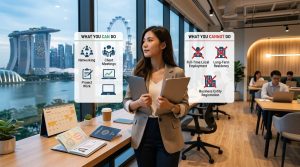
Getting Singapore permanent residency (PR) is a big step for anyone considering making this vibrant city-state their long-term home. For digital nomads and remote professionals, the idea of settling down in Singapore can seem appealing. It offers stability, access to excellent amenities, and a gateway to Asia. But before you start the application process, understanding the pros, cons, and eligibility requirements is essential. Let’s walk through what it takes and what you stand to gain or lose.
Singapore PR offers remote workers long-term stability, access to social benefits, and ease of living in Asia. However, the application process is competitive and requires careful planning and understanding of the criteria. Weigh the advantages against the challenges to decide if this move fits your remote work lifestyle.
Why Consider Singapore PR as a Remote Worker?
Living in Singapore as a remote worker is already convenient thanks to excellent internet, a strategic location, and a multicultural environment. Applying for PR elevates your status from a temporary visitor or work pass holder to a long-term resident. It means you can enjoy benefits like access to healthcare, education, and a pathway to citizenship if desired. Additionally, PR status can make it easier to buy property and open local bank accounts.
For digital nomads who want to establish a base in Asia without the constant worry of visa renewals, Singapore PR feels like a natural step. It offers stability and opens doors to opportunities in the region. Moreover, Singapore’s reputation as a global business hub aligns well with the needs of remote professionals seeking credibility and a solid home base.
Understanding the Pros of Singapore PR for Remote Professionals
1. Long-term stability and security
Holding PR status means you do not need to worry about visa renewals every few years. It provides a sense of permanence and peace of mind. You can plan your future, buy property, or even start a local business with fewer hurdles.
2. Access to social benefits
PRs can benefit from Singapore’s healthcare system, public housing schemes, and educational facilities. This added security enhances your quality of life and reduces costs over time.
3. Easier travel and work flexibility
With PR, you can leave and return to Singapore more freely. This flexibility is useful if your remote work involves frequent travel or collaboration across regions.
4. Pathway to citizenship
If you decide to settle long-term, PR is a stepping stone to becoming a Singapore citizen. This process is straightforward once you meet the residency and contribution criteria.
5. Credibility and recognition
Having PR status signals stability and commitment. It can be advantageous when dealing with local clients, partners, or service providers.
Recognizing the Challenges and Limitations
1. Competitive and selective process
Applying for PR is not a guarantee. The Immigration and Checkpoints Authority (ICA) evaluates applications based on various factors including your employment, education, family ties, and economic contributions. As a remote worker, you need to demonstrate your value to Singapore’s economy.
2. Stringent eligibility criteria
PR eligibility is based on several criteria such as age, income, professional skills, and integration into society. Remote workers must show consistent employment, income stability, and sometimes local ties.
3. Long processing times
The process can take from six months to over a year. During this period, your visa status remains temporary, and delays are common due to high application volumes.
4. Residency requirements
PR applicants need to demonstrate a commitment to Singapore, such as spending a certain amount of time in the country annually. Remote work from abroad might raise questions about your ties to Singapore.
How to Determine If You Are Eligible for Singapore PR
Applying for PR as a remote worker involves a few clear steps:
-
Assess your professional profile
Ensure your skills are in demand and you have a solid employment record. High-income earners and those in niche industries tend to have better success rates. -
Meet the residency and employment requirements
You should have been working in Singapore on a valid work pass like the Employment Pass (EP) or S Pass for at least six months to a year before applying. Demonstrating ongoing remote work with a local company or clients can help. -
Gather supporting documents
Prepare your employment proof, income statements, educational certificates, and evidence of social integration in Singapore. -
Understand the application process
Submit your application through the ICA’s online portal, ensuring all forms are complete and accurate. You might also consider consulting an immigration professional to enhance your chances. -
Maintain your employment and residency during the process
Stay employed, pay taxes, and keep your documents updated to demonstrate your commitment to Singapore.
“PR applications are judged holistically. Remote workers who can show consistent income, social integration, and a future plan in Singapore tend to fare better.” — Immigration expert
Techniques and Mistakes to Avoid When Applying for Singapore PR
| Technique | Mistake to Avoid |
|---|---|
| Present a strong case for your economic contribution | Relying solely on your remote work without emphasizing local ties or future plans |
| Ensure all documents are authentic and complete | Submitting incomplete or falsified documents |
| Highlight your social integration efforts | Ignoring the importance of community involvement or local language skills |
| Show proof of stable income | Neglecting to provide comprehensive financial statements |
| Keep your employment status consistent | Switching jobs or losing employment during the application process |
Practical Tips for Remote Workers Pursuing PR
- Maintain a stable income and ensure your employment status is clear and ongoing.
- Engage with local communities or professional groups to demonstrate social integration.
- Consider learning basic Singaporean history or local languages to show cultural fit.
- Keep detailed records of your work, income, and residency to streamline documentation.
- Stay updated on policy changes by visiting the ICA website or consulting experts.
Is Getting PR Worth the Effort?
Certainly, the benefits of Singapore PR can outweigh the challenges if you plan appropriately. It grants you long-term security and access to a host of social benefits in one of Asia’s most dynamic cities. But it is crucial to prepare a compelling application and understand what authorities look for.
How Coworking Spaces Can Support Your PR Journey
Living as a remote worker in Singapore often involves frequent use of coworking spaces. These environments foster social connections, help you integrate into the local ecosystem, and provide a professional setting to work comfortably. A vibrant community can be a strong point in your PR application by demonstrating your active participation in Singapore’s work culture.
If you’re new to coworking, check out our guides on https://coworkingspace.com.sg/how-to-choose-your-first-coworking-space-in-singapore-a-beginners-guide/ and for tips on finding the right space.
Moving Forward With Confidence
Applying for Singapore PR as a remote worker is an attainable goal if you approach it with preparation and clarity. Focus on building a strong case that highlights your contributions, stability, and intent to stay long-term. Keep your documentation in order and consider consulting immigration specialists to improve your chances.
Remember, long-term residency can transform your remote work experience into a more settled, secure, and enriching life in Singapore. Take the right steps, stay informed, and you’ll be well on your way to making this city your home.
Wrap Up Your Singapore PR Ambitions Thoughtfully
Long-term residence in Singapore as a remote professional opens many doors. It’s worth investing time in understanding the process and preparing your application carefully. With the right approach, you can turn your remote work lifestyle into a permanent chapter in this vibrant city. Consider working with local coworking spaces to build your network and deepen your ties. It’s all about making informed choices and taking deliberate steps toward your goals.