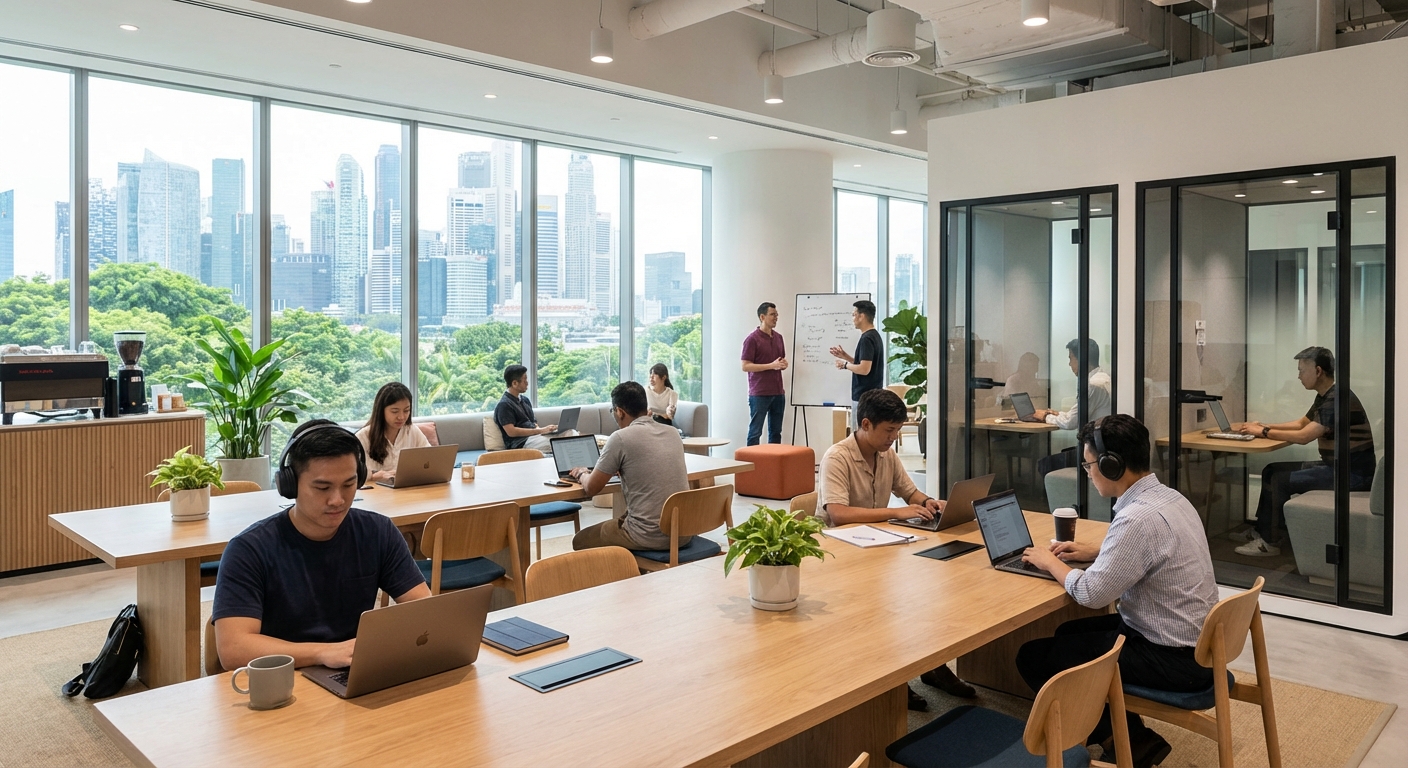
Singapore’s reputation as a global business hub makes it a magnet for remote workers. But the city’s high costs and competitive environment can overwhelm newcomers. Digital nomads arriving here face a choice: work from cafes and risk inconsistent WiFi, or invest in coworking memberships that offer structure, community, and professional amenities. The right coworking space becomes more than a desk. It transforms into your productivity engine, networking hub, and daily routine anchor.
Digital nomads in Singapore thrive when they match coworking spaces to their work style, budget, and location needs. Success requires choosing the right membership type, establishing productive routines, and connecting with local communities. Singapore’s coworking ecosystem offers options from budget hot desks to premium private offices, each supporting different productivity approaches and lifestyle preferences for remote professionals.
Why Singapore attracts digital nomads despite high costs
Singapore ranks among the world’s most expensive cities. Yet remote workers continue choosing it as a base.
The reasons are practical. Reliable infrastructure means consistent internet speeds. English as a primary language removes communication barriers. Time zone positioning allows overlap with both Asian and European business hours.
Safety and cleanliness matter too. You can walk anywhere at night. Public transport runs efficiently. Healthcare meets international standards.
The startup ecosystem provides networking opportunities. Tech events happen weekly. Co-founders and collaborators gather in shared spaces.
But these advantages come with tradeoffs. Accommodation costs bite hard. A studio apartment in a central location starts at SGD 2,500 monthly. Food expenses add up when hawker centers become your daily option and restaurant meals cost triple what you’d pay in Bangkok or Bali.
Understanding whether coworking spaces justify their cost becomes essential when every dollar matters.
Matching your work style to coworking membership types
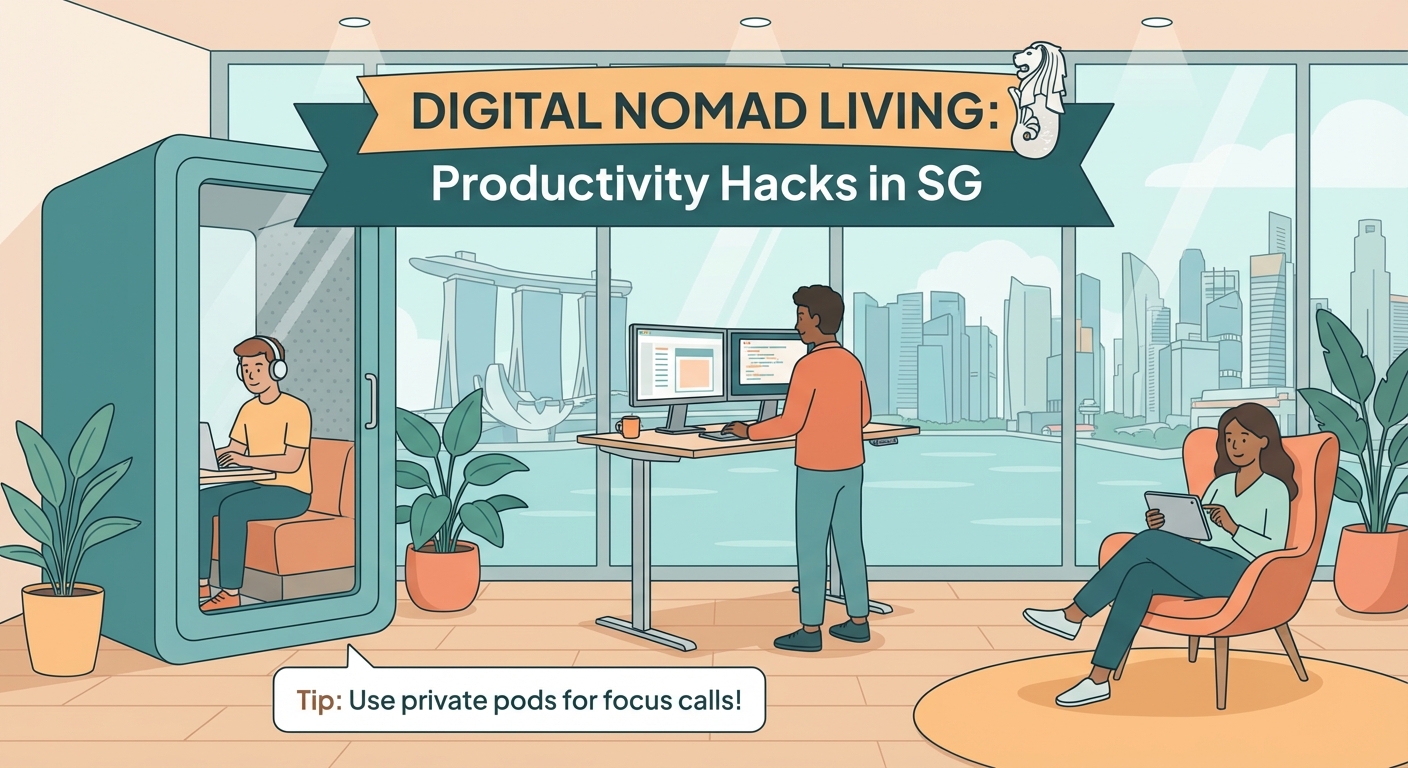
Not all memberships serve the same purpose. Your productivity depends on choosing correctly.
Hot desk memberships offer flexibility. You arrive, claim any available seat, and work. This suits nomads who vary their schedules or split time between multiple locations. The downside? You can’t leave belongings overnight. Setup time eats into your morning routine.
Dedicated desks solve the consistency problem. The same spot waits for you daily. You can arrange monitors, leave notebooks, and create a personalized workspace. This option fits those who need routine and prefer familiar surroundings.
Private offices provide isolation. If you take frequent calls or need absolute focus, walls and doors eliminate distractions. Teams of two to five people often split private office costs, making them more affordable than they first appear.
Virtual office plans give you a business address without physical space. Perfect for maintaining professional credibility while working from multiple locations or your apartment.
Learning about membership options helps you avoid paying for features you won’t use.
Location strategy for maximum productivity
Where your coworking space sits affects your entire day.
Central Business District spaces put you near corporate clients and financial professionals. Raffles Place, Tanjong Pagar, and Marina Bay host premium operators. Expect higher prices but better networking opportunities with established businesses.
Suburban hubs like Paya Lebar Quarter offer modern facilities at lower costs. The commute from most residential areas takes 20-30 minutes. You get similar amenities without CBD premiums.
Neighborhood spaces in areas like Tiong Bahru or Katong create community vibes. Smaller operations mean you’ll recognize faces quickly. The trade-off comes in fewer amenities and limited 24/7 access.
Airport-adjacent locations serve frequent travelers. If you fly twice monthly, spaces near Changi Airport eliminate cross-island commutes before early flights.
Consider your client meeting frequency. If you host weekly presentations, proximity to client offices matters more than saving SGD 100 monthly on membership fees.
Setting up your daily productivity system
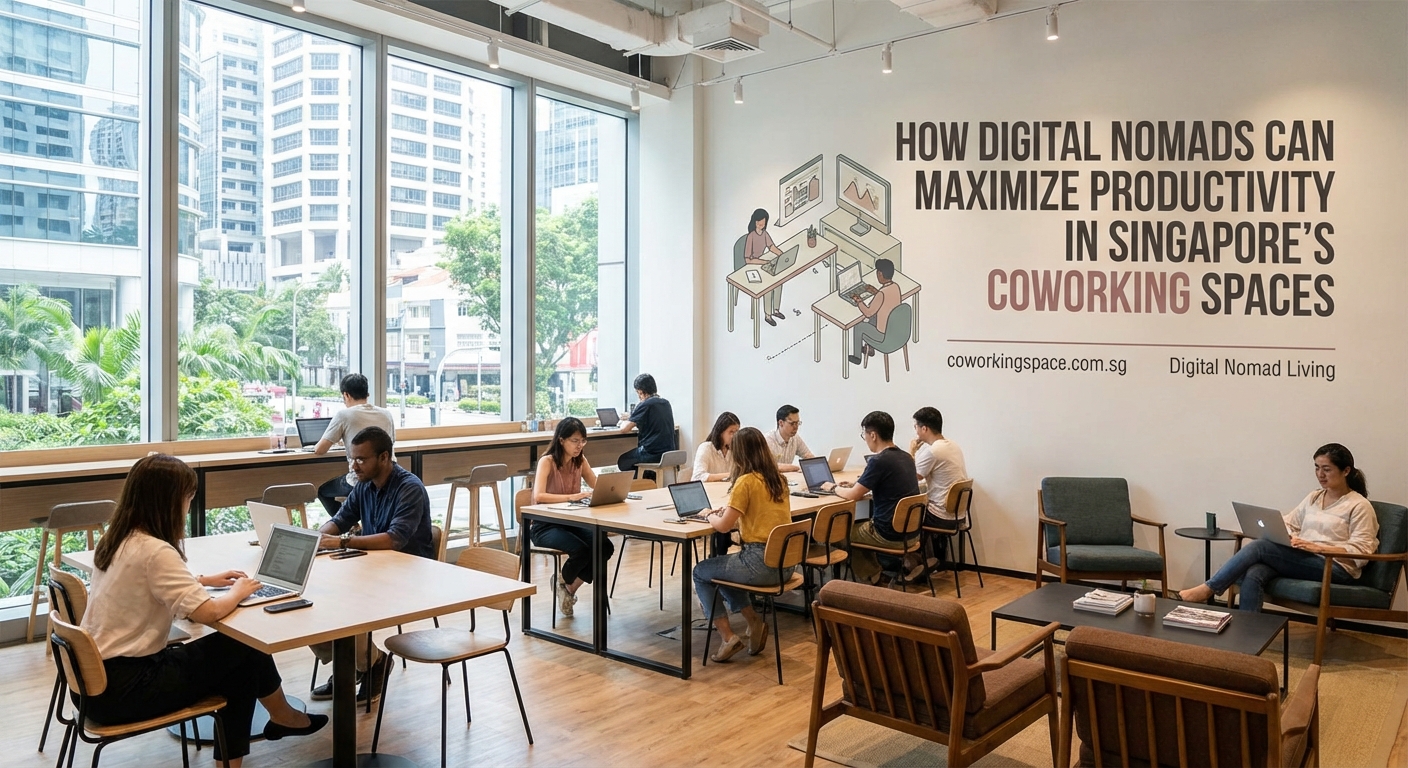
Coworking spaces provide infrastructure. You must build the routine.
Start with arrival time consistency. Your brain associates specific times with work mode. Arriving at 9 AM daily triggers focus better than random 10 AM or 11 AM starts.
Claim the same general area when possible. Even in hot desking environments, sitting in familiar zones reduces decision fatigue. Your body remembers where productive sessions happened.
Use the first 15 minutes for setup, not work. Arrange your laptop, connect to power, test internet speed, and prepare your task list. Jumping straight into emails scatters your attention.
Block your calendar for deep work. Morning hours from 9 AM to 12 PM typically offer the quietest environment. Reserve afternoons for calls and collaborative tasks.
Building a productivity system that travels with you prevents productivity crashes when changing locations.
Managing noise and distractions in shared spaces
Open plan layouts create energy. They also generate interruptions.
Noise-canceling headphones become essential equipment. They signal “do not disturb” while blocking ambient conversations. Choose over-ear models for maximum isolation.
Position yourself strategically. Corners and walls provide natural barriers. Avoid sitting near kitchen areas, phone booths, or main walkways.
Use visual cues to manage interruptions. Headphones plus focused screen posture tells others you’re in deep work mode. Looking up and making eye contact invites conversation.
Time your breaks deliberately. Stand up, walk to the kitchen, refill water, and check your phone during planned intervals. Random break timing invites random interruptions.
Some spaces offer quiet zones with enforced silence policies. Choosing between open workspace and quiet zones depends on whether you need complete silence or prefer low-level ambient energy.
“The best coworking members protect their focus time fiercely. They understand that being present in a space doesn’t mean being available to everyone all the time. Boundaries create productivity.”
Budgeting beyond membership fees
The advertised coworking price tells only part of the story.
Monthly memberships range from SGD 250 for hot desks to SGD 1,500 for private offices. But hidden costs accumulate.
Transportation adds SGD 120-200 monthly if you commute daily by MRT. Coffee and snacks inside coworking spaces cost premium prices. That SGD 6 latte becomes SGD 180 monthly.
Printing and scanning often incur per-page charges. Meeting room bookings cost extra at many spaces. Some operators charge for guest passes when clients visit.
Food represents your biggest variable cost. Eating out twice daily costs SGD 20-30. Monthly food spending hits SGD 600-900 easily.
Understanding the true costs prevents budget surprises three months into your stay.
Calculate your all-in workspace cost:
1. Membership fee
2. Daily commute
3. Lunch and coffee
4. Additional services (printing, meetings)
5. Backup internet for apartment
6. Professional wardrobe maintenance
This total often reaches 2-3 times the base membership price.
Essential amenities that actually matter
Marketing materials list dozens of features. Only some affect your daily productivity.
Internet speed and reliability top the list. Test speeds during your trial day. Upload speeds matter as much as download for video calls. Aim for 100 Mbps minimum.
Power outlets at every desk prevent the musical chairs game when your battery dies. Check if spaces provide international adapters.
Ergonomic seating protects your back during eight-hour days. Proper chairs and adjustable desks prevent the chronic pain that derails productivity.
Phone booth availability determines whether you can take calls without disturbing others. Count the booths versus member capacity. Ratios worse than 1:20 mean you’ll wait.
Kitchen facilities save money. Refrigerators let you bring lunch. Microwaves make meal prep practical. Free coffee and tea reduce your daily spending.
Lockers provide secure storage. If you bike to work or carry expensive equipment, locked storage matters more than fancy lounges.
Building connections without forced networking
Coworking spaces promise community. But networking events feel awkward for many people.
Start with proximity networking. Chat with desk neighbors during coffee breaks. Ask about their work. Share yours briefly. Natural conversations beat forced introductions.
Attend skill-specific workshops rather than generic mixers. Learning sessions attract people with shared interests. You’ll find easier conversation topics.
Use community Slack channels selectively. Respond to requests for recommendations. Share useful resources. Build reputation through helpfulness rather than self-promotion.
Collaborate on small projects. Offer your skills for someone else’s initiative. Working together reveals compatibility better than coffee meetings.
Networking strategies for digital nomads work best when they feel natural rather than transactional.
Some people thrive in community environments. Others prefer quiet independence. Introverts can succeed by setting clear boundaries and choosing selective engagement.
Evaluating spaces before committing
Trial days prevent expensive mistakes.
Most operators offer day passes for SGD 30-50. Use them strategically.
Arrive at your normal work time. Assess the morning rush. Note how quickly desks fill up. Check if hot desk members scramble for spots.
Test the internet during peak hours (10 AM – 4 PM). Run speed tests. Join a video call. Upload large files. Consistent performance matters more than peak speeds.
Observe the member mix. Are people your age? Do they work in similar industries? Cultural fit affects your daily experience more than amenities.
Check operational details. When does cleaning happen? How loud is the air conditioning? Where do delivery people leave packages? These small factors compound over months.
Evaluating spaces quickly when you’re new to a city becomes easier with a structured checklist.
| Evaluation Factor | What to Check | Red Flag |
|---|---|---|
| Internet | Speed test during peak hours | Below 50 Mbps or frequent drops |
| Seating | Available desks at 10 AM | 90% full by 9:30 AM |
| Noise | Conversation volume in work areas | Loud calls in open space |
| Cleanliness | Bathroom and kitchen condition | Dirty by midday |
| Security | Entry system and locker quality | Unlocked doors or no storage |
Navigating visa and legal requirements
Working legally in Singapore requires proper documentation.
Tourist visas allow 30-90 day stays depending on nationality. But they prohibit earning income from Singapore-based clients or companies. Remote work for foreign clients exists in a gray area.
Employment passes require a Singapore employer. Digital nomads working for overseas companies don’t qualify through this route.
EntrePass visas suit entrepreneurs building Singapore-registered businesses. You need a viable business plan and sufficient funding. Applying for EntrePass takes 8-10 weeks minimum.
Many digital nomads enter on tourist visas and work for foreign clients. This technically violates visa terms. Enforcement remains minimal for remote workers, but the legal risk exists.
Understanding visa options and limitations helps you make informed decisions about your stay duration.
Long-term stays require creative solutions:
1. Apply for EntrePass if you’re building a business
2. Secure employment with a Singapore company
3. Enroll in educational programs for student passes
4. Rotate between Singapore and nearby countries every 30-90 days
Maximizing value from membership perks
Coworking operators bundle services you might overlook.
Meeting room credits often come with higher-tier memberships. Use them for client presentations even if you normally work from your desk. The professional setting justifies the membership cost.
Event access provides learning opportunities and networking. Workshops on tax planning, marketing, or productivity tools deliver practical value. Attend selectively based on your current needs.
Mail handling services give you a professional business address. Forward important documents here. Use it on business cards and websites.
Guest passes let you bring clients or collaborators. Some spaces include 5-10 free passes monthly. Use them strategically for important meetings.
Printing credits save money on business cards, proposals, and contracts. Take advantage of professional printing equipment rather than using drugstore services.
Many spaces partner with gyms, restaurants, or service providers. These discounts offset membership costs when you use them consistently.
Time management across multiple time zones
Singapore sits at GMT+8, creating challenges for global clients.
European clients require morning meetings. A 9 AM London call means 5 PM Singapore time. Schedule these at your workday end rather than disrupting prime productivity hours.
US West Coast clients need evening availability. 9 AM San Francisco equals 1 AM Singapore. Decide whether serving these clients justifies irregular hours.
Australian clients align well. Sydney runs only two hours ahead. Melbourne-based collaborators work during your afternoon.
Managing time zones effectively requires clear boundaries with clients about your available hours.
Block your calendar for core work hours. Make 9 AM to 5 PM Singapore time sacred for deep work. Schedule calls outside these windows only for premium clients.
Use async communication when possible. Detailed emails, Loom videos, and project management tools reduce the need for real-time calls.
Avoiding common digital nomad mistakes
New arrivals make predictable errors that hurt productivity.
Choosing the cheapest space often backfires. Poor internet, uncomfortable chairs, or inconvenient locations cost more in lost productivity than you save on membership fees.
Skipping trial days leads to bad commitments. That three-month contract feels very long when you hate the space after week one.
Ignoring backup plans creates crisis situations. Have a second coworking space identified. Know which cafes offer reliable WiFi. Pack essential tools for mobile work.
Failing to establish routines wastes the structure coworking provides. Morning routines turn coworking membership into productivity gains.
Overcommitting to networking events burns time. Attend one event weekly maximum. Focus on quality connections rather than collecting business cards.
Common mistakes become obvious in hindsight but cost time and money upfront.
Balancing work intensity with Singapore lifestyle
Singapore offers more than work opportunities.
The city’s compact size makes exploration easy. Neighborhoods like Kampong Glam, Chinatown, and Little India sit minutes apart by MRT. Weekend exploration prevents burnout.
Food culture provides daily variety. Hawker centers offer SGD 5 meals. Michelin-starred restaurants serve tasting menus. The range accommodates any budget and occasion.
Nature spaces interrupt urban intensity. MacRitchie Reservoir, Gardens by the Bay, and Southern Ridges offer walking trails. Morning hikes before work clear your mind.
Cultural events happen constantly. Museums, galleries, and performance venues host international artists. Many offer free admission during specific hours.
Regional travel becomes accessible. Weekend trips to Malaysia, Indonesia, or Thailand cost less than domestic flights in larger countries. Use Singapore as your hub for Southeast Asian exploration.
But work-life balance requires discipline. The productivity culture can consume your schedule. Avoiding remote work burnout means protecting your personal time deliberately.
Adapting your strategy as your needs evolve
Your first month looks different from month six.
Initial weeks focus on exploration. Try multiple spaces. Test different neighborhoods. Figure out your preferred work environment.
Months two and three bring routine establishment. Lock in your primary space. Build daily habits. Establish productive patterns.
Long-term stays (six months plus) shift priorities. Community connections matter more. Cost optimization becomes important. You might negotiate better rates or switch to annual memberships.
Project demands change too. Client-heavy months need private offices or meeting rooms. Heads-down coding phases work fine in hot desks.
Building sustainable digital nomad careers requires adapting your workspace strategy as your business grows.
Review your setup quarterly:
– Does your current space still serve your needs?
– Have your budget priorities shifted?
– Are you using the amenities you’re paying for?
– Would a different location improve your routine?
Making coworking work for your specific situation
Digital nomads arrive with different goals and constraints.
Freelancers need flexibility and cost control. Hot desks with month-to-month terms prevent overcommitment. Focus on spaces with strong freelancer communities where collaboration opportunities emerge naturally.
Startup founders require meeting spaces and professional credibility. Dedicated desks or small private offices justify the investment when client meetings happen weekly. Choosing your first coworking space becomes easier when you know your priorities.
Remote employees need consistent schedules and reliable infrastructure. Prioritize internet quality and quiet zones over community events. Your employer expects consistent availability.
Content creators require good lighting and varied backgrounds. Look for spaces with Instagram-worthy design and natural light. Phone booths and meeting rooms double as recording studios.
Consultants benefit from premium locations and professional aesthetics. Client-facing work justifies higher costs when your space impresses visitors.
Match your membership to your actual work patterns rather than aspirational ones. You’ll use the space more effectively and waste less money on unused features.
Your path to productive remote work in Singapore
Singapore’s coworking ecosystem gives digital nomads powerful tools for productivity. But tools alone don’t create results.
Success comes from matching spaces to your work style, establishing consistent routines, and protecting your focus time. The city’s infrastructure removes excuses. Fast internet, reliable power, and professional environments eliminate the technical barriers that plague remote workers elsewhere.
Your job is showing up consistently and doing the work. Choose a space that supports your natural rhythms rather than fighting them. Build connections that feel genuine rather than forced. Invest in memberships that deliver value for your specific situation.
The digital nomads who thrive here treat Singapore as a productivity laboratory. They experiment with different spaces, refine their routines, and optimize their systems. They balance work intensity with the lifestyle opportunities the city provides.
Start with a trial week at two or three spaces. Pick the one that feels right. Commit for three months. Build your routine. Then evaluate whether Singapore serves your long-term goals or becomes a stepping stone to your next destination.