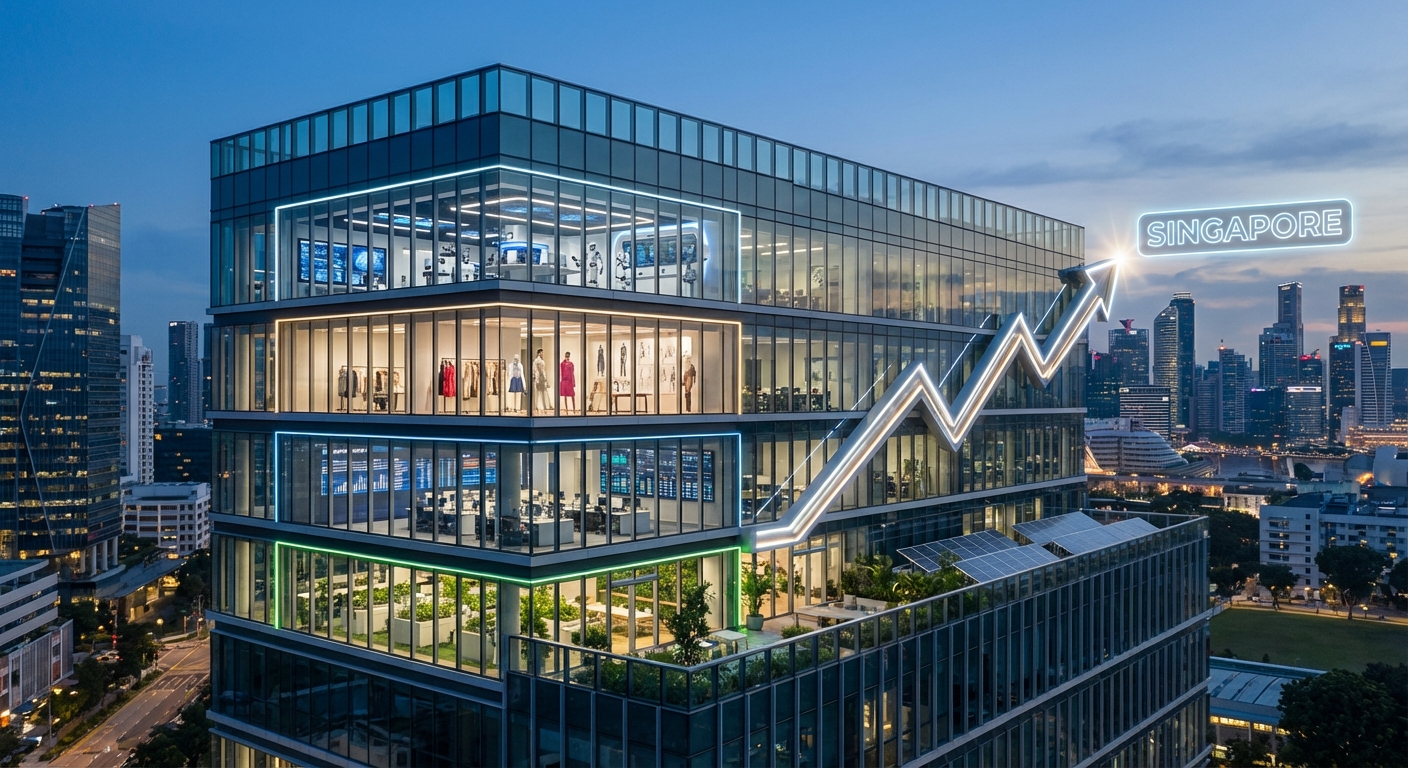
Singapore’s coworking scene has shifted. Generic shared desks are no longer the only option. Today, specialized workspaces designed for specific industries are reshaping how professionals work, connect, and grow their businesses across the island.
Niche coworking spaces Singapore offer industry-specific environments that go beyond basic desks and WiFi. These specialized workspaces provide tailored amenities, targeted networking opportunities, and resources designed for specific professions. From creative studios to fintech hubs, they help professionals connect with like-minded peers while accessing tools and infrastructure that match their exact business needs in Singapore’s competitive market.
What Makes Niche Coworking Spaces Different
Traditional coworking spaces serve everyone. That’s their strength and their limitation.
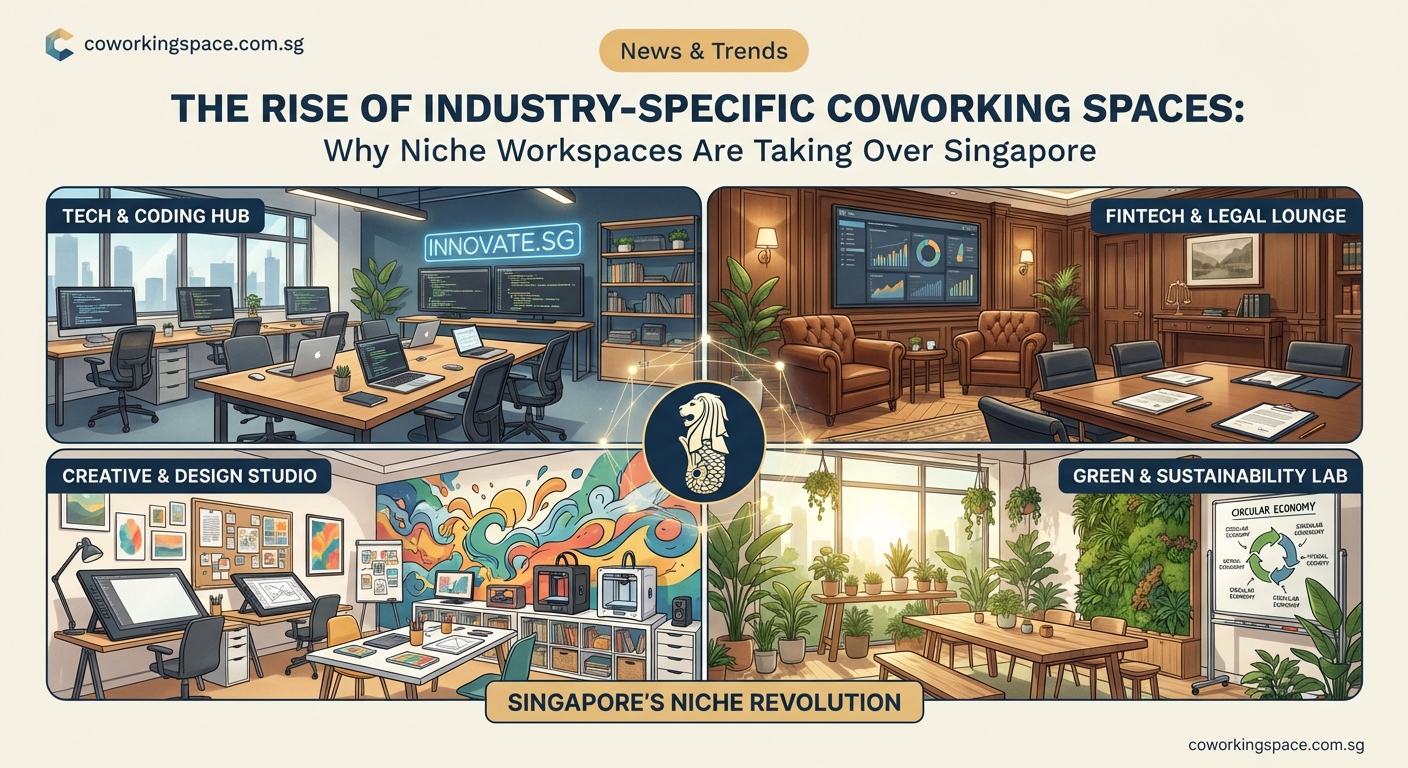
Niche coworking spaces Singapore focus on specific industries or professional communities. A fintech workspace might offer regulatory compliance resources and connections to investors. A creative studio provides high-end cameras, editing suites, and soundproof recording booths.
The difference goes beyond equipment. These spaces curate their member base intentionally. You’re not sitting next to random professionals. You’re surrounded by people facing similar challenges, speaking the same industry language, and potentially becoming collaborators or clients.
Think of it like choosing between a general gym and a specialized training facility. Both have equipment. Only one has coaches who understand your specific sport.
Industries Leading the Specialized Workspace Movement
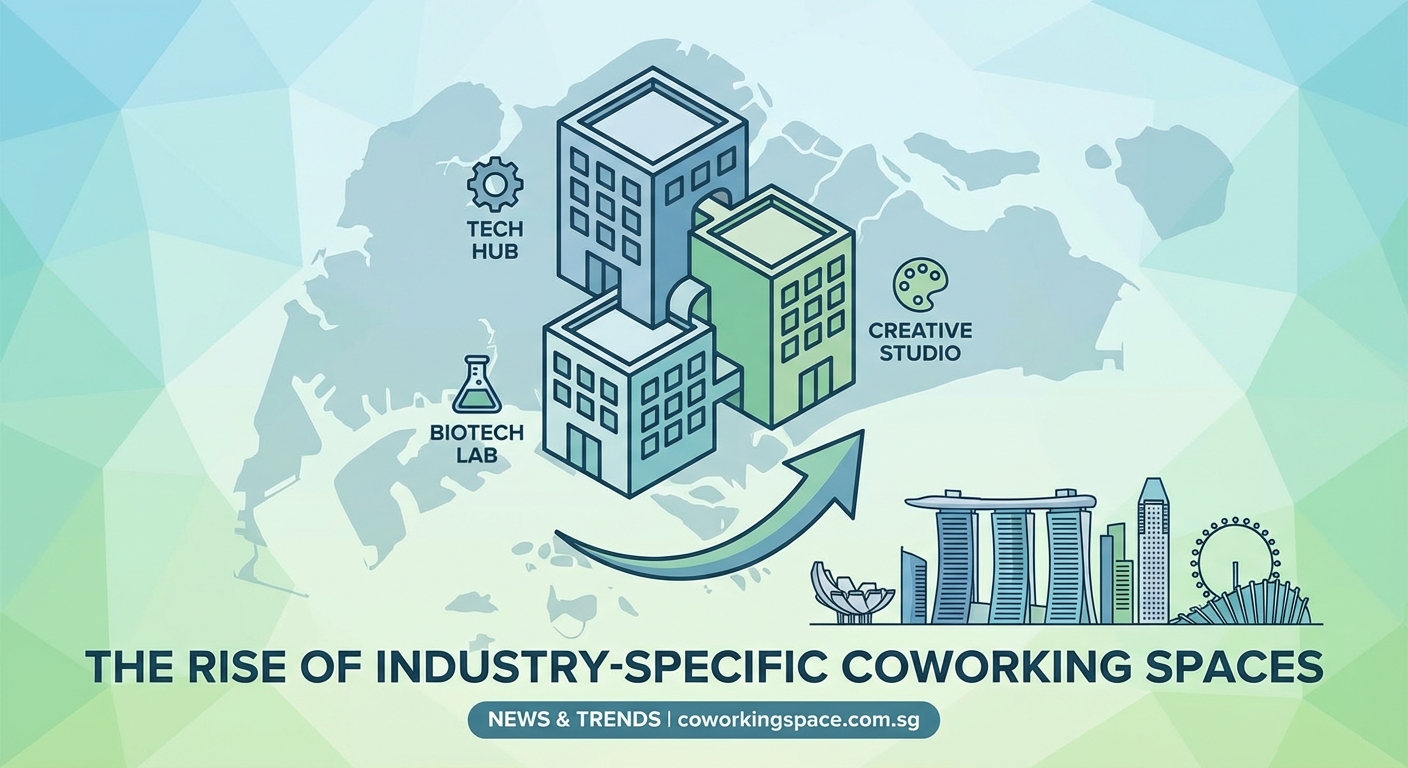
Several sectors have embraced niche coworking spaces Singapore more enthusiastically than others.
Creative and media professionals were early adopters. Photography studios, video production houses, and design agencies need specific equipment that traditional offices lack. Shared access to expensive gear makes financial sense for freelancers and small teams.
Technology and fintech startups cluster in spaces that offer more than desks. They need server rooms, testing environments, and proximity to mentors who understand their regulatory landscape. Several fintech-focused spaces in Singapore’s central business district have become unofficial industry hubs.
Healthcare and wellness practitioners require specialized setups. Shared medical suites, therapy rooms, and wellness centers provide licensed facilities without the overhead of individual practices. Compliance with health regulations becomes easier when the space itself is purpose-built.
Legal and professional services benefit from environments designed for confidentiality. Soundproof meeting rooms, secure document storage, and professional aesthetics matter more in these fields than casual lounges and ping-pong tables.
Food and beverage entrepreneurs use commercial kitchen spaces with proper licensing and equipment. Testing recipes, hosting pop-ups, and building catering businesses becomes possible without restaurant-level investment.
How to Evaluate if a Niche Space Fits Your Business
Choosing the right specialized workspace requires more thought than picking a convenient location. Here’s a practical process:
-
List your industry-specific needs before touring any space. What equipment, certifications, or infrastructure does your work actually require? A photographer needs different things than a podcast producer, even though both work in media.
-
Calculate the true cost comparison between niche and general spaces. Specialized amenities might justify higher monthly fees if they replace equipment you’d otherwise rent or purchase. Factor in the value of targeted networking too.
-
Visit during peak hours to assess the actual member community. Are these people you’d want to collaborate with? Do conversations in common areas sound relevant to your work? The member directory matters as much as the facility list.
-
Test the booking systems for shared resources. A recording studio sounds great until you realize it’s booked solid for weeks. Understanding availability patterns prevents frustration later.
-
Review the programming and events calendar to see if workshops, talks, and networking sessions actually serve your industry. Generic business seminars add less value than targeted sessions with industry experts.
Common Mistakes When Choosing Specialized Workspaces
| Mistake | Why It Happens | Better Approach |
|---|---|---|
| Paying for unused amenities | Impressive facility lists look valuable on paper | Audit what you’ll actually use weekly, not what sounds cool |
| Ignoring location trade-offs | Niche spaces cluster in specific neighborhoods | Calculate commute costs and client accessibility before committing |
| Overlooking contract flexibility | Specialized spaces often require longer commitments | Negotiate trial periods or start with hot desking options |
| Assuming niche means small | Some specialized spaces have limited expansion room | Confirm they can accommodate team growth without forcing you to move |
| Skipping community vetting | Not all “industry-focused” spaces have genuine communities | Request member introductions and attend events before joining |
The biggest mistake? Choosing based on amenities alone. The equipment matters less than the ecosystem around it.
The Real Benefits Beyond the Obvious Perks
Specialized equipment and industry focus are table stakes. The deeper advantages of niche coworking spaces Singapore emerge over time.
Targeted referrals happen naturally when your workspace neighbors understand your business. A video editor working next to a marketing consultant creates organic partnership opportunities. General spaces offer random connections. Niche spaces offer relevant ones.
Shared learning accelerates faster in specialized environments. When everyone faces similar challenges, collective problem-solving becomes more efficient. A fintech founder’s regulatory solution might help three other members immediately.
Industry credibility increases when your business address is a recognized hub for your field. Clients notice when you work in a space known for housing top creative agencies or tech startups. Your location signals professional seriousness.
Resource pooling works better with aligned needs. Splitting costs on industry-specific software licenses, shared vendors, or bulk service agreements makes sense when members have overlapping requirements.
“The workspace you choose tells clients and collaborators what tier you’re playing at. A generic coworking address says you need a desk. A specialized industry space says you’re serious about your craft and connected to your professional community.”
Balancing Specialization with Practical Needs
Niche workspaces aren’t perfect for everyone. Some considerations matter regardless of industry alignment.
Commute time still affects productivity. A perfectly specialized space that adds 90 minutes to your daily travel might not be worth it. Calculate the weekly time cost honestly. For those managing hybrid work schedules, proximity might matter more than specialization.
Member diversity can suffer in hyper-focused spaces. Sometimes the best business ideas come from cross-industry pollination. A purely homogeneous environment might limit perspective rather than enhance it.
Pricing premiums for specialized amenities need justification. Run the numbers. If you’re paying 40% more for equipment you use twice monthly, the math doesn’t work. Understanding cost differences between workspace options helps clarify whether premium pricing delivers value.
Flexibility constraints often come with niche spaces. They invest heavily in specific infrastructure, which means less willingness to customize or modify spaces for individual needs. Know what’s negotiable before signing.
Finding Your Industry’s Workspace Community
Singapore’s niche coworking landscape keeps expanding. Here’s how to identify spaces worth considering:
-
Industry associations and groups often maintain lists of specialized workspaces. Professional networks know which spaces genuinely serve their members versus those just marketing to them.
-
LinkedIn and professional forums reveal where your competitors and peers actually work. Search for workspace mentions in industry-specific Singapore groups.
-
Startup accelerators and incubators frequently partner with or operate niche spaces. Even if you’re not in an accelerator program, their workspace partners often accept outside members.
-
Equipment suppliers and vendors know which spaces use professional-grade gear. A commercial kitchen equipment supplier can tell you which food entrepreneur spaces are serious versus amateur.
-
Portfolio reviews and case studies from your industry often mention workspace locations. Successful professionals in your field leave clues about where they built their businesses.
For those just starting their workspace search, understanding how to choose your first coworking space provides a foundation before narrowing to niche options.
Essential Amenities That Actually Matter
Not all specialized amenities deliver equal value. Focus on what moves your business forward.
Industry-standard equipment only matters if it’s maintained properly and available when you need it. A photography studio with outdated cameras or a podcast space with poor acoustics wastes everyone’s time. Check maintenance schedules and upgrade policies.
Proper licensing and compliance become critical in regulated industries. Medical spaces need proper certifications. Commercial kitchens require health department approvals. Verify that the space handles regulatory requirements professionally.
Technical infrastructure varies wildly between spaces claiming to serve tech professionals. Bandwidth, server access, development environments, and testing capabilities should match what you’d build in your own office.
Soundproofing and privacy matter more in some industries than others. Legal consultations, therapy sessions, and confidential business discussions need genuine acoustic isolation, not just frosted glass and white noise machines.
Understanding must-have amenities helps separate marketing claims from functional necessities.
Managing Distractions in Specialized Environments
Niche spaces solve some distraction problems and create others. The industry alignment that makes networking valuable can also interrupt focused work.
When everyone around you works in related fields, conversations become more tempting to join. That fintech discussion happening near your desk sounds relevant, even when you’re on deadline. The creative energy in a design studio can inspire or distract, depending on your task.
Set clear boundaries. Use headphones as a universal “do not disturb” signal. Book private rooms for deep work sessions, even if the open area feels comfortable. The community is valuable, but productivity still pays the bills.
Some professionals benefit from strategies to eliminate distractions regardless of their workspace type.
The Cost Reality of Specialized Workspaces
Niche coworking spaces Singapore typically charge 20-50% more than general options. That premium buys specific value, but only if you use it.
A creative professional paying $800 monthly for studio access with equipment worth $50,000 gets tremendous value. A consultant paying the same premium for “fintech-focused networking” might not, especially if they attend few events.
Calculate your breakeven point. How often must you use specialized amenities to justify the cost difference? How many relevant connections would make the premium worthwhile? Be honest about your actual usage patterns, not your aspirational ones.
Some spaces offer tiered memberships. Basic access might cost the same as general coworking, with premium tiers unlocking specialized equipment and services. This model lets you test the community before committing to full costs.
For budget-conscious professionals, money-saving tips for coworking spaces apply to niche environments too.
Building Real Relationships in Industry-Specific Spaces
The networking potential of niche coworking spaces Singapore sounds great in theory. Making it work requires intention.
Show up consistently at the same times. Familiarity breeds connection. Random appearances at different hours prevent relationship building. Pick your regular days and stick to them.
Contribute before asking for help or referrals. Share knowledge, make introductions, and add value to the community. Transactional networking fails everywhere, but especially in tight-knit professional communities.
Attend workspace events even when you’re busy. The programming exists to facilitate connections. Skipping everything signals you’re just renting a desk, not joining a community.
Respect different experience levels within your industry. Senior professionals and newcomers both add value. Mentorship flows both ways when you stay open.
Follow through on commitments made in casual conversations. The intimacy of niche spaces means your reputation spreads faster. Reliability matters more in smaller communities.
When General Coworking Makes More Sense
Specialized workspaces aren’t always the right choice. Several scenarios favor general coworking environments instead.
Early-stage exploration benefits from diverse exposure. If you’re still figuring out your business model or target market, cross-industry connections might prove more valuable than deep industry immersion.
Budget constraints sometimes make the decision simple. Paying 50% more for specialization you can’t fully utilize wastes resources better spent on business development.
Flexible location needs conflict with niche spaces that cluster in specific areas. If you need workspaces across multiple neighborhoods or travel frequently, general spaces with multiple locations serve you better. Digital nomads often prioritize flexibility over specialization.
Team diversity in multidisciplinary companies might not fit niche environments. A startup with developers, designers, and business people might fragment if each person works in a different specialized space.
Privacy concerns occasionally make anonymity preferable. Some professionals prefer not broadcasting their industry or projects to a concentrated group of peers and potential competitors.
Future Trends Shaping Specialized Workspaces
The niche coworking movement in Singapore continues evolving. Several trends are emerging.
Hybrid specialization combines industry focus with other dimensions. Spaces targeting “female fintech founders” or “sustainable fashion designers” layer multiple community aspects together. This creates even tighter networks but smaller potential member bases.
Virtual-physical integration lets niche communities extend beyond single locations. A creative network might operate physical studios in three neighborhoods while maintaining a shared online platform for collaboration and resource sharing.
Certification and training programs turn some niche spaces into educational hubs. Members access not just facilities but structured learning paths relevant to their industry. This adds value beyond simple workspace rental.
Equipment-as-a-service models let specialized spaces offer more expensive tools through usage-based pricing rather than membership tiers. Pay for studio time when you need it, maintain basic membership otherwise.
Cross-space partnerships let members access multiple niche environments. A media professional might get primary membership at a creative studio but occasional access to a podcast space through partnership agreements.
Making Your Decision With Confidence
Choosing between general and niche coworking spaces Singapore comes down to honest self-assessment.
What does your business actually need today? Not what might be useful someday, but what would improve your work this month. If specialized amenities or targeted networking would genuinely move your business forward, the premium makes sense.
Where do you work best? Some people thrive in focused industry environments. Others need broader stimulation. Neither is wrong. Match the environment to your working style, not just your industry.
How committed are you to community participation? Niche spaces reward active members who engage with programming and peers. If you plan to arrive, work alone, and leave, you’re paying for value you won’t capture.
Start with trial periods when possible. Most specialized spaces offer day passes or week-long trials. Test the environment before committing to long contracts. Pay attention to how you feel at the end of work days. Energy levels and productivity patterns tell you more than facility tours.
Your Workspace Reflects Your Professional Identity
The shift toward niche coworking spaces Singapore represents more than a real estate trend. It reflects how professionals increasingly view their workspace as part of their business strategy, not just a practical necessity.
Your choice of workspace signals priorities to clients, collaborators, and yourself. A specialized environment declares that you take your industry seriously enough to invest in purpose-built infrastructure and targeted community. That matters in Singapore’s competitive business landscape.
The right niche workspace becomes more than where you work. It becomes where you learn, connect, and grow within your professional community. That transformation from simple desk rental to career catalyst is what makes specialized coworking spaces worth considering, even at premium prices.
Take time to find the space that genuinely fits your business needs and working style. The perfect workspace exists somewhere between what looks impressive and what actually helps you do better work.