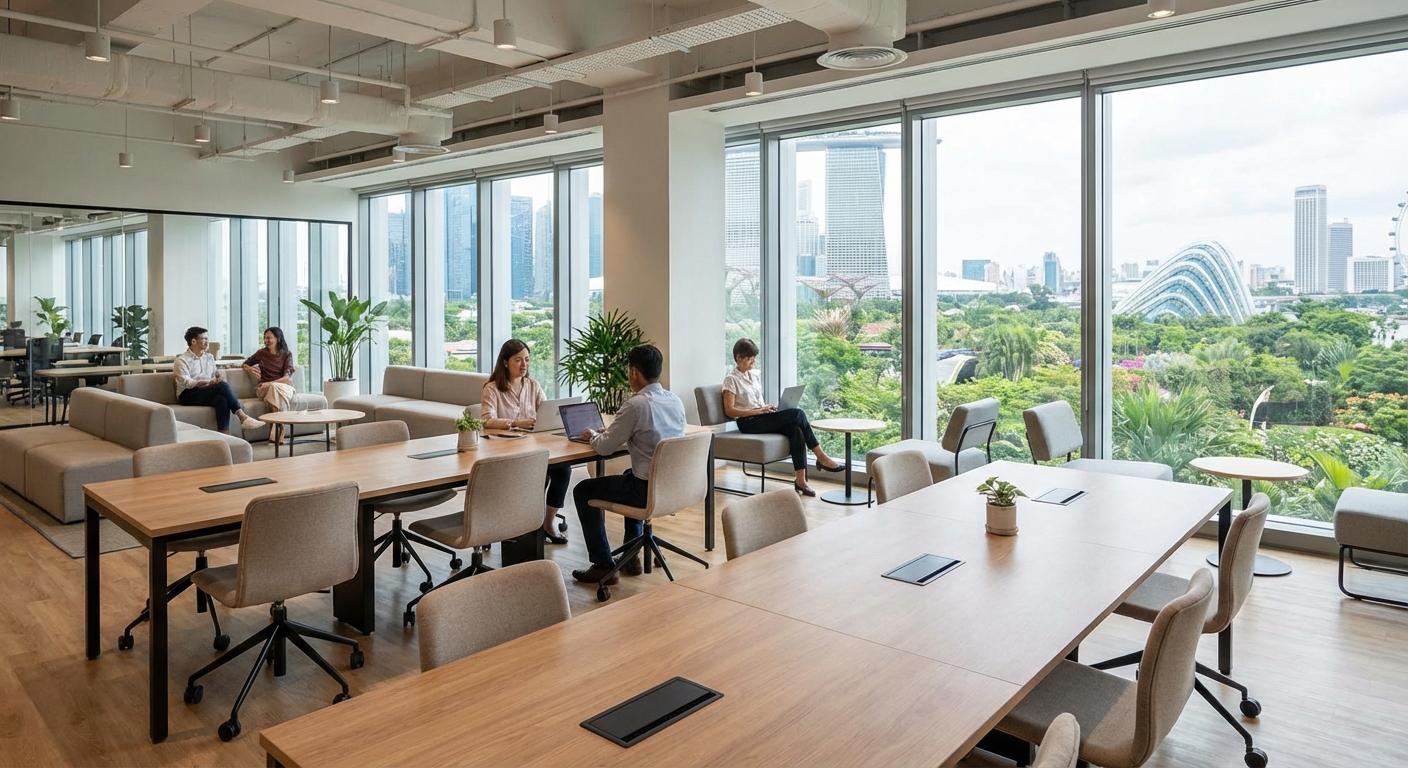
Working from a coffee shop loses its charm after the third time the barista gives you that look. You know the one. The “you’ve been nursing that latte for four hours” stare.
But renting a traditional office in Singapore? That’s a different kind of pain. Security deposits, long leases, and monthly costs that make your bank account weep.
There’s a middle path. Cheap coworking spaces in Singapore exist, and they’re not all cramped corners with wobbly chairs. You just need to know where to look and what to expect at different price points.
Singapore offers numerous coworking options under $300 monthly, from day passes at $15 to hot desks at $250. Budget spaces provide essential amenities like WiFi, printing, and meeting rooms. Location, membership flexibility, and hidden costs determine actual value. Areas like Geylang, Kallang, and outer suburbs offer better rates than CBD locations while maintaining professional standards and community access.
What you actually get for under $300 per month
Budget coworking doesn’t mean you’re stuck in a basement with flickering lights. Most spaces under $300 include high speed internet, air conditioning, printing credits, and access to meeting rooms.
The difference shows up in the details. Premium spaces might have barista coffee and craft beer on tap. Budget options give you instant coffee and a water dispenser. Both keep you caffeinated and working.
Here’s what typically comes standard:
- Stable WiFi (usually 100Mbps or faster)
- Basic printing and scanning (with monthly limits)
- Meeting room access (often 2-4 hours monthly)
- Kitchen facilities with refrigerator
- Mail handling services
- 24/7 access or extended hours
The trade off isn’t always quality. Sometimes it’s just location. A space in Geylang costs half what you’d pay in Raffles Place, but the desk, chair, and internet work exactly the same.
Breaking down your membership options
Not everyone needs a desk five days a week. Your work pattern should dictate your membership type, not the other way around.
Day passes
Perfect for testing spaces or working remotely 2-3 times monthly. Prices range from $15 to $35 per day.
Most operators offer 5-day or 10-day pass bundles that reduce the per-visit cost. A 10-day pass might cost $200, giving you flexibility across three months.
Day passes work well if you travel frequently or split time between client offices and independent work.
Hot desks
The most common budget option. You get access to any available desk in the open workspace. Monthly costs run $180 to $280 depending on location and hours.
Hot desking means you can’t leave belongings overnight. You pack up at the end of each day. Some people find this annoying. Others appreciate the forced tidiness.
If you’re curious about understanding coworking membership types, the differences matter more than you’d think for daily workflow.
Part time memberships
Access limited to specific days or hours. Common structures include:
- Weekday mornings only (9am to 1pm)
- Three full days per week
- Weekends only
- Evening access (6pm to midnight)
Part time plans cost $120 to $200 monthly. They suit people with other commitments or those who only need professional space for client calls and focused work sessions.
Where to find the best deals in Singapore
Geography determines your budget more than any other factor. The same operator charges different rates across neighborhoods.
| Area | Average Hot Desk Cost | Typical Commute from City Hall | Best For |
|---|---|---|---|
| Geylang/Kallang | $180-$220 | 15-20 minutes | Budget conscious freelancers |
| Paya Lebar | $220-$260 | 10-15 minutes | Balance of cost and access |
| Chinatown | $240-$280 | 5-10 minutes | Creative professionals |
| Tanjong Pagar | $260-$300 | 5 minutes | Startups needing CBD proximity |
| Raffles Place | $350+ | 0 minutes | Premium corporate image |
The budget friendly spaces in Geylang and Kallang offer surprising quality. These aren’t second tier operations. They’re strategic choices by operators targeting price sensitive professionals.
Hidden costs that blow your budget
That $250 monthly rate looks perfect until you read the fine print. Several expenses creep in after you sign up.
Printing overages: Most plans include 50-100 pages monthly. After that, you pay $0.10 to $0.20 per page. If you print client proposals or contracts regularly, add $20-30 monthly.
Meeting room time: Your membership might include two hours monthly. Additional hours cost $15-30 per hour. Budget $50-100 monthly if you meet clients weekly.
Locker rental: Storing your laptop and supplies overnight costs $30-50 monthly extra. Without a locker, you carry everything daily.
Deposit requirements: First month, last month, and security deposit can total three months’ rent upfront. That $250 membership needs $750 to start.
Registration fees: One time setup charges of $50-150 are common. Some spaces waive this during promotions.
Smart budgeting means calculating your true monthly cost, not just the advertised rate. Add 20-30% to the base membership for realistic planning.
How to test before committing
Never sign a long term contract without experiencing the space during your actual working hours. Tuesday at 2pm feels different than Friday at 9am.
- Book a day pass or trial week
- Visit during your typical work schedule
- Test the internet speed with your actual work tasks
- Make a phone call to check noise levels
- Use the meeting room if you’ll need one
- Talk to current members about their experience
- Check the bathroom cleanliness throughout the day
The common mistakes new members make often stem from skipping this testing phase. You can’t know if a space works until you’ve actually worked there.
Negotiating better rates
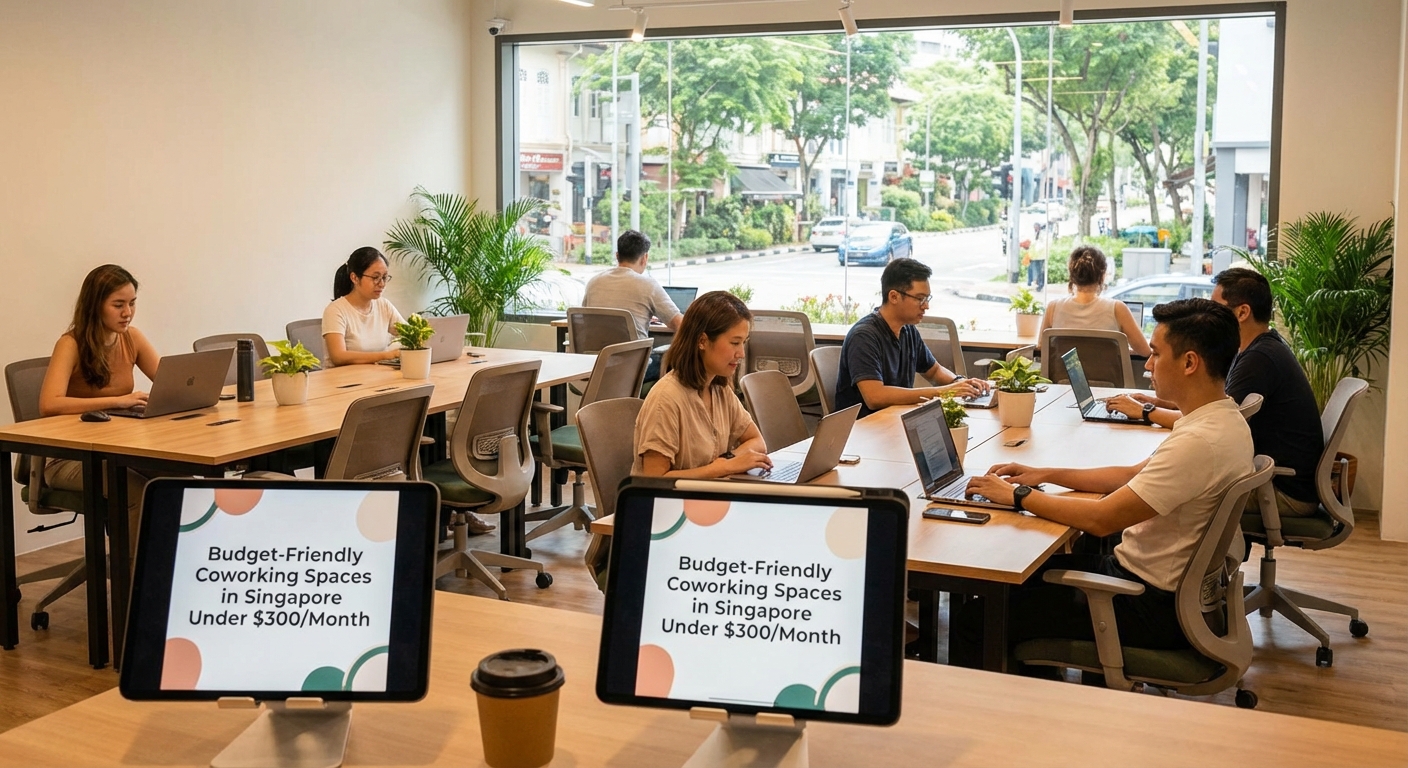
Posted prices aren’t always final. Operators have flexibility, especially during slow periods or for longer commitments.
Annual prepayment: Paying 12 months upfront typically saves 10-20%. A $250 monthly plan becomes $225 or less.
Off peak memberships: Spaces with empty desks during certain hours offer discounted access. Evening only or weekend plans cost 40-60% less than full access.
Referral credits: Bringing another member often earns you a free month or rate reduction. Some spaces give $50-100 credits per referral.
Early bird rates: New spaces offer founding member discounts. You lock in lower rates permanently, even as prices increase for new members.
Group discounts: Three or more people from the same company usually qualify for 15-25% off per person.
Ask directly: “What’s your best rate for a six month commitment?” The worst they say is no.
Making cheap coworking actually work
Budget spaces require more self sufficiency. You won’t have a community manager solving every problem.
Bring your own supplies. Pens, notebooks, phone chargers, and headphones aren’t always provided. A $20 supply kit saves daily frustration.
Arrive early for desk selection. Hot desking means first come, first served. The desk by the window goes fast. The one next to the bathroom doesn’t.
Pack lunch or snacks. Budget spaces in outer areas have fewer nearby food options. Spending $15 daily on lunch defeats the purpose of saving $100 on rent.
Build your own routine. Without assigned seating, you need personal systems for staying focused in shared workspace environments. Noise canceling headphones become essential, not optional.
Comparing value across price points
Is a $180 space really that different from a $280 one? Sometimes yes, sometimes no.
$150-200 tier: Basic setup, older furniture, fewer amenities. Internet works fine. Space is clean. Community is smaller. Perfect for heads down work with minimal socializing.
$200-250 tier: Modern furniture, regular events, better coffee. Meeting rooms are nicer. More professionals in your field. Good for networking while working.
$250-300 tier: Premium feel without premium price. Newer spaces in developing neighborhoods. All the amenities of expensive options, just further from the CBD.
The question isn’t which is best. It’s which matches your actual needs. A developer who rarely leaves their desk doesn’t need the $280 space with weekly networking events.
Understanding what you’re actually paying for
Coworking isn’t just desk rental. You’re buying flexibility, community, and reduced isolation.
Flexibility: No long lease. Cancel with 30 days notice. Scale up or down as your business changes. Try different neighborhoods without commitment.
Community: Other freelancers and founders understand your challenges. Casual conversations lead to collaborations, referrals, and friendships. Working alone at home lacks this dimension.
Professional image: Meeting clients at a coworking space beats your apartment. You get a business address for registration and mail. Video call backgrounds look legitimate.
Reduced isolation: Remote work burnout hits harder than people expect. Having somewhere to go, people to greet, and ambient energy around you matters for mental health.
The true value of coworking extends beyond the physical desk. You’re investing in your productivity and wellbeing, not just renting furniture.
Questions to ask before signing up
These questions reveal what the glossy website doesn’t tell you:
- What happens if I need to cancel early?
- Are there any annual price increases?
- Can I upgrade or downgrade my plan mid-term?
- What’s included in my printing allowance?
- How far in advance must I book meeting rooms?
- Is there a community manager on site daily?
- What are the actual peak hours for crowding?
- Do you offer any trial periods?
- What’s your policy on guests or visitors?
- Are there any upcoming construction or renovations?
The answers matter more than the price. A space that seems cheap but has a three month cancellation penalty might cost more than a flexible month to month option.
Maximizing your membership value
You’re paying for access. Use everything included to get full value.
Attend every event that interests you. Networking events, skill workshops, and social gatherings are included. Each connection potentially pays back your membership cost.
Book meeting rooms for focused work. You don’t need a client meeting to use them. Block time for important projects where you need complete quiet.
Use the business address. Register your company there if allowed. Print business cards with the location. It adds legitimacy.
Take advantage of member perks. Many spaces partner with other businesses for discounts. Coffee shops, gyms, and software tools often offer member rates.
Connect with other members. The person at the next desk might need exactly what you offer. Or know someone who does. Community value compounds over time.
When cheap becomes expensive
Sometimes saving money costs you in other ways. Recognize when your budget choice stops making sense.
If you spend 90 minutes commuting to save $100 monthly, you’re losing money. Your time has value. Calculate the true cost including transportation and hours lost.
If the internet drops daily and you miss client deadlines, the cheap rate isn’t worth it. Reliability matters more than price for professionals with commitments.
If the space feels depressing and you avoid going, you’ll end up back at coffee shops. A slightly more expensive space you actually use beats a cheap one you hate.
The goal isn’t finding the absolute cheapest option. It’s finding the best value for your specific situation.
Planning your coworking budget for the year
Monthly costs are just one piece. Think annually to understand true expenses.
| Expense Category | Monthly | Annual | Notes |
|---|---|---|---|
| Base membership | $250 | $3,000 | Hot desk, full time access |
| Printing overages | $25 | $300 | Average for moderate use |
| Meeting rooms | $40 | $480 | 3 hours monthly beyond included time |
| Locker rental | $35 | $420 | Optional but convenient |
| Commute costs | $80 | $960 | MRT monthly pass |
| Total | $430 | $5,160 | Actual monthly cost |
That $250 membership actually costs $430 when you include everything. Still cheaper than a traditional office, but plan accordingly.
The complete cost breakdown helps you budget realistically without surprises.
Making your first choice
You’ve done the research. You’ve visited spaces. You’ve calculated costs. Now you need to decide.
Start with a month to month plan. Yes, annual prepayment saves money. But you don’t know yet if this space actually works for you. Give yourself permission to try and adjust.
Choose based on your work style, not aspirations. If you’re not a morning person, don’t pick a space because it has great sunrise views. If you’re introverted, don’t force yourself into the most social community.
Remember that your first choice doesn’t have to be your forever choice. Many people try two or three spaces before finding their ideal fit. That’s normal and expected.
The beginner’s guide to choosing walks through the decision framework in more detail.
Finding your workspace sweet spot
Cheap coworking in Singapore isn’t about settling for less. It’s about matching your needs to your budget without overpaying for features you won’t use.
The $180 hot desk in Kallang might serve you better than the $450 dedicated desk in Raffles Place. Or maybe you need something in between. The right answer depends entirely on your work patterns, client expectations, and personal preferences.
Start small. Test thoroughly. Adjust as needed. Your perfect workspace exists somewhere in this city, and it probably costs less than you think.
The coffee shop barista will understand when you stop showing up. They’ve seen it before. Everyone eventually finds their place.