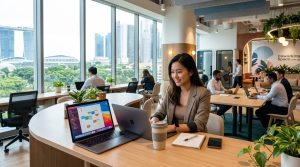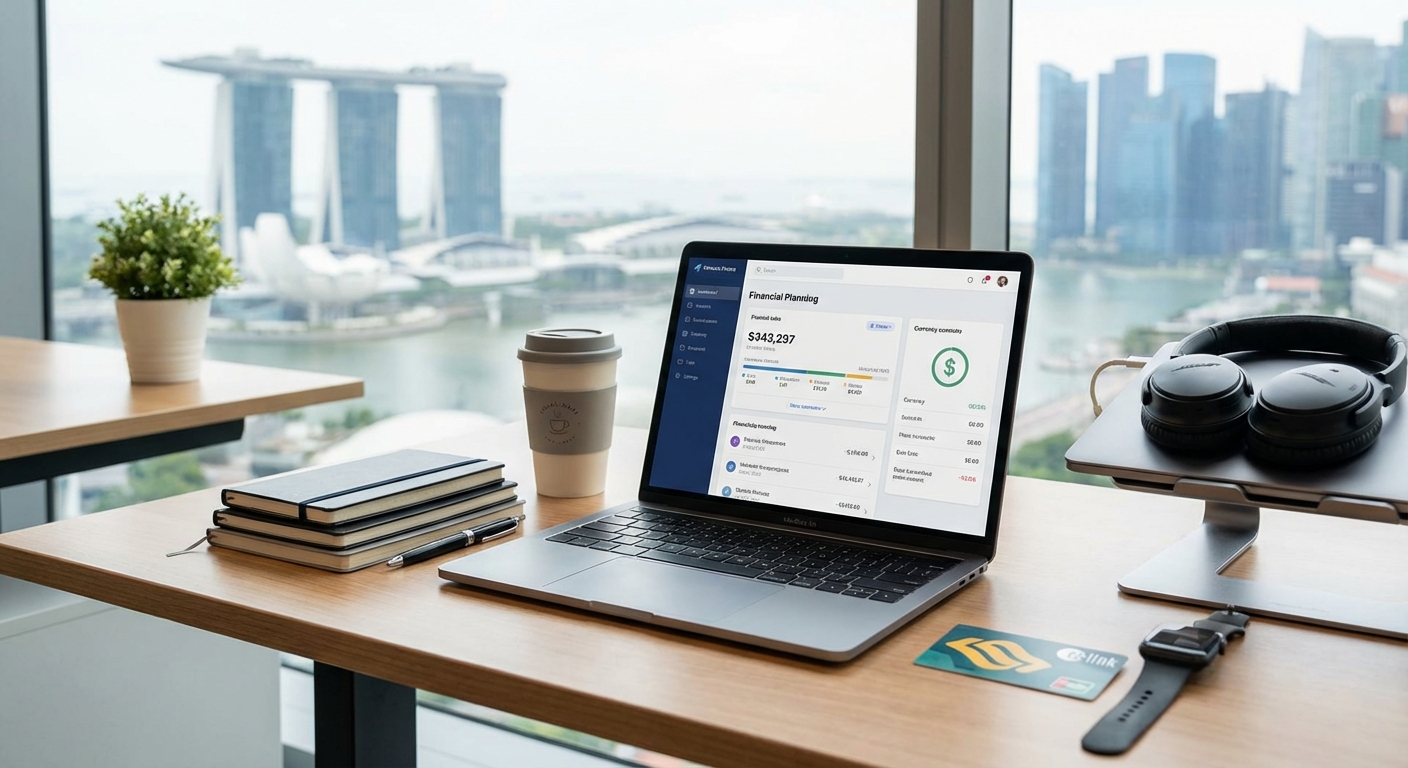
Moving to Singapore as a remote worker feels exciting until you start calculating the real numbers. Your coworking membership is just the beginning.
Most remote workers budget for workspace costs and think they’re done. Then reality hits. The fiber internet upgrade. The backup laptop charger. The daily hawker center lunch that adds up faster than you expected. The MRT pass. The coffee runs between meetings.
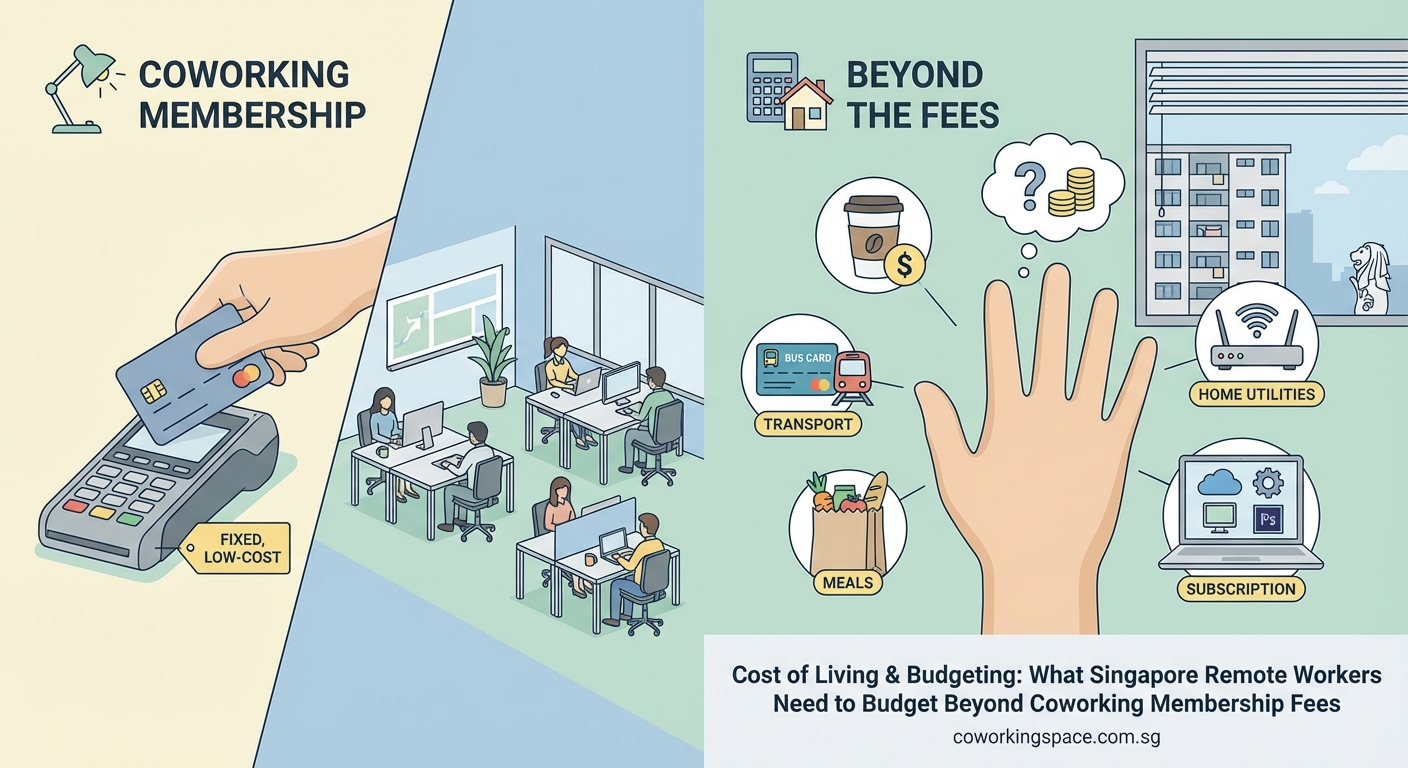
Understanding remote work costs Singapore means looking beyond the obvious monthly desk fee and mapping every expense that keeps your business running smoothly in one of Asia’s most efficient but pricey cities.
Remote work costs in Singapore extend far beyond coworking membership fees. Budget for home internet ($40-80/month), equipment upgrades ($500-2000/year), meals ($300-600/month), transport ($80-150/month), insurance, software subscriptions, and emergency funds. Most remote workers need $1,500-2,500 monthly beyond workspace costs to maintain professional operations while living comfortably in Singapore’s high-cost environment.
Technology Infrastructure That Actually Works
Your internet connection determines whether you close deals or lose clients mid-pitch.
Singapore offers world-class connectivity, but you need to pay for reliability. Basic home internet packages start around $40 monthly for 1Gbps fiber. Sounds perfect until you realize your video calls drop during peak hours because fifty neighbors stream Netflix simultaneously.
Upgrade to business-grade fiber for $70-80 monthly. The difference shows up when your Zoom call stays crystal clear while your building’s network gets hammered at 9 AM.
Mobile data matters more than most remote workers expect. A solid unlimited plan with 5G coverage costs $50-70 monthly. You need this backup when your home internet fails or when you’re working from a cafe with sketchy WiFi.
Consider these technology essentials:
- VPN subscription for secure connections ($10-15/month)
- Cloud storage beyond free tiers ($15-30/month)
- Video conferencing software if your clients don’t use free tools ($15-25/month)
- Password manager for security compliance ($5-10/month)
- Backup external drive ($80-150 one-time)
Many coworking spaces offer high-speed internet as part of membership, but you still need reliable home connectivity for flexible scheduling.
Equipment That Won’t Let You Down
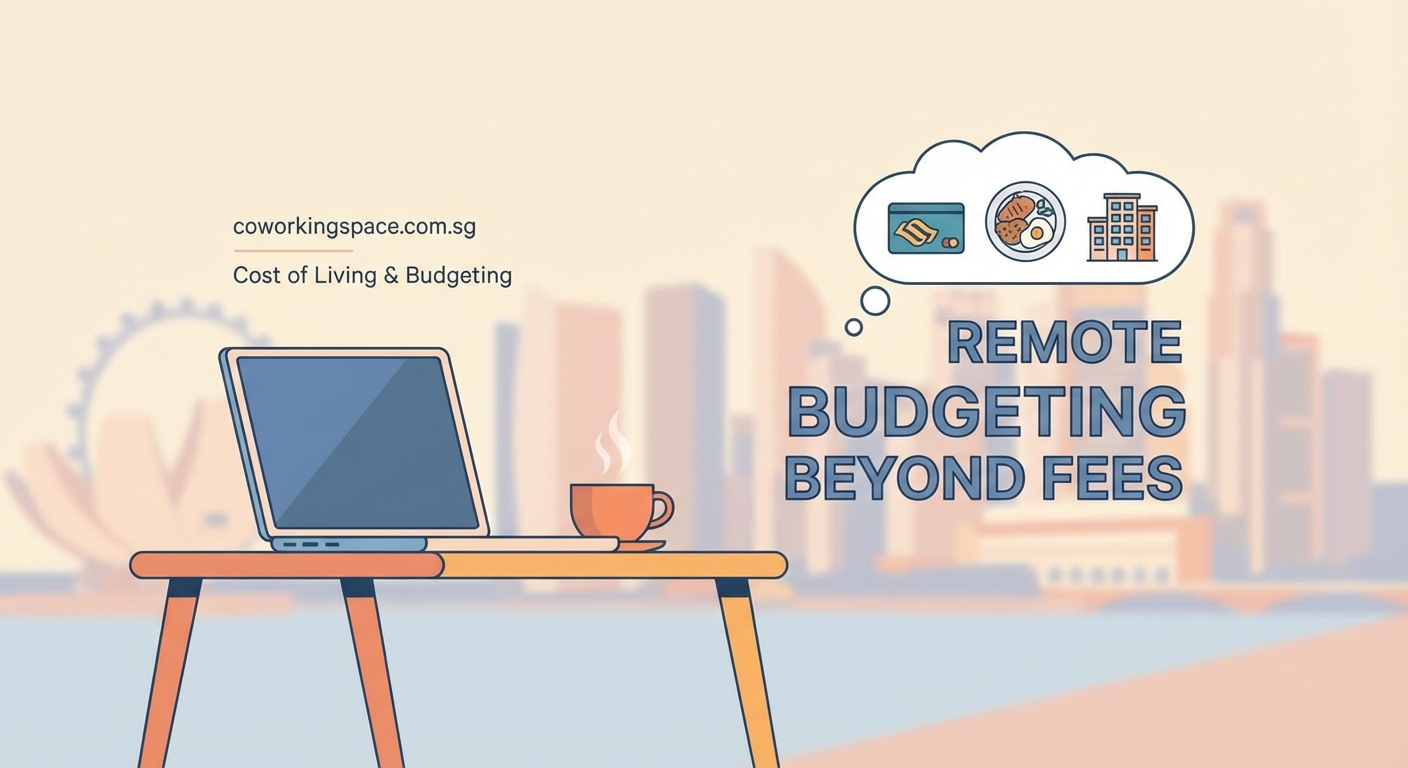
Your laptop is your livelihood. Budget accordingly.
A professional-grade laptop in Singapore costs $1,500-3,000 depending on your work requirements. Graphic designers and video editors need more power. Writers and consultants can work with mid-range machines.
Plan to replace or upgrade every three years. That’s $500-1,000 annually when you spread the cost.
Your workspace setup extends beyond the laptop:
- External monitor for productivity ($200-500)
- Ergonomic keyboard and mouse ($100-200)
- Noise-canceling headphones for calls ($200-400)
- Webcam that doesn’t make you look like a potato ($80-150)
- Portable laptop stand for proper posture ($30-60)
- Phone tripod for content creation ($20-40)
Some items live at your coworking space. Others travel with you. The portable gear gets replaced more frequently because it takes daily wear.
Software licenses add up faster than hardware. Adobe Creative Cloud runs $80 monthly. Microsoft Office costs $10-15 monthly. Industry-specific tools vary wildly but expect $50-200 monthly for professional software.
Food Budget Reality Check
Nobody talks about how expensive eating becomes when you work remotely in Singapore.
Hawker centers offer affordable meals at $4-8 per dish. Sounds reasonable until you calculate monthly spending. Two meals daily at hawker centers costs $240-480 monthly.
Coffee runs between meetings add another layer. A flat white at a decent cafe costs $6-8. Three times weekly equals $75-100 monthly just for caffeine.
Many coworking spaces provide free coffee and tea, which saves $50-100 monthly compared to buying every cup at cafes. Some spaces include amenities like pantry access that reduce daily food costs.
Your realistic monthly food budget while working remotely:
| Meal Type | Budget Option | Mid-Range | Premium |
|---|---|---|---|
| Breakfast | $120 (home) | $180 (kopitiam) | $300 (cafe) |
| Lunch | $150 (hawker) | $300 (food court) | $500 (restaurant) |
| Dinner | $180 (home cooking) | $350 (casual dining) | $600 (restaurants) |
| Coffee/Snacks | $50 (home/free at space) | $120 (occasional cafe) | $200 (daily cafe) |
| Monthly Total | $500 | $950 | $1,600 |
Meal prep at home saves significant money but requires time and energy after work hours. Most remote workers land somewhere between budget and mid-range options, spending $600-800 monthly on food.
Transportation Costs That Creep Up
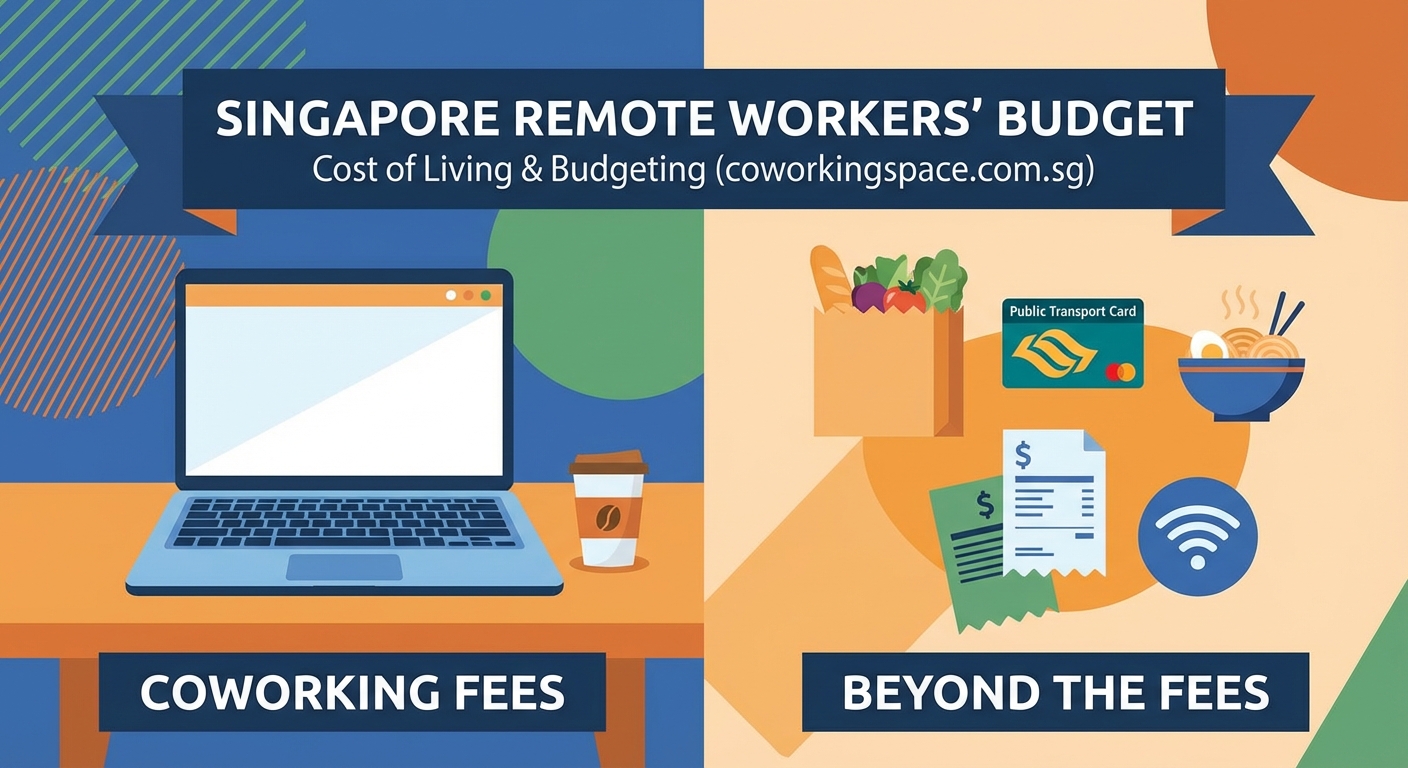
Singapore’s public transport is efficient and affordable compared to car ownership. But costs still add up.
An adult monthly MRT pass costs around $128 for unlimited travel. Sounds perfect until you realize some coworking spaces sit far from MRT stations, requiring bus connections or occasional Grab rides.
Budget $80-100 monthly for pure MRT travel if your coworking space has excellent transit access. Add $50-80 for occasional taxi rides when you’re running late or carrying equipment.
Some remote workers choose coworking spaces near their home to minimize transport costs. Walking to your workspace saves $80-150 monthly and adds exercise to your routine.
Bike ownership offers another option. A decent commuter bike costs $300-600 upfront. Maintenance runs $50-100 yearly. Singapore’s cycling infrastructure continues improving, making bikes viable for short commutes.
Car ownership makes no financial sense for most remote workers. Monthly costs including loan, insurance, parking, and fuel easily exceed $1,000. Skip the car unless your work requires frequent client visits across the island.
Insurance You Actually Need
Remote workers often overlook insurance until something goes wrong.
Singapore requires all residents to have health insurance. If you’re on an employment pass, your company typically covers this. Freelancers and self-employed remote workers need private coverage.
Basic health insurance starts around $150-250 monthly for comprehensive coverage. Dental and vision add another $50-100 monthly. These costs aren’t optional when a single hospital visit can cost thousands without insurance.
Equipment insurance protects your laptop, camera, and other tools. Expect $30-60 monthly for coverage on $5,000-10,000 worth of equipment. One stolen laptop pays for years of premiums.
Professional liability insurance matters if you provide services to clients. Costs vary by industry but budget $50-150 monthly. This protects you if a client claims your work caused them financial harm.
Income protection insurance replaces earnings if illness or injury prevents you from working. Premiums start around $80-150 monthly depending on your income level and coverage amount.
“Remote workers need to think like business owners, even if they’re employees. Your ability to work depends on your health, your equipment, and your professional reputation. Insurance protects all three.” — Financial advisor specializing in remote worker coverage
Hidden Costs Nobody Mentions
Small expenses create budget gaps that surprise new remote workers in Singapore.
Coworking space deposits typically equal one or two months’ membership fees. A $500 monthly membership requires $500-1,000 upfront before you start working. Factor this into your relocation budget.
Printing and shipping costs add up when you need to send contracts or receive packages. Budget $30-50 monthly for occasional printing at coworking spaces or print shops. Courier services cost $5-15 per package.
Professional development keeps your skills current. Online courses cost $50-300 each. Industry conferences run $200-1,000 for tickets plus travel. Budget $1,000-2,000 yearly for learning.
Workspace variety prevents burnout. Most remote workers split time between coworking spaces, home, and cafes. Cafe working costs $10-20 per session for drinks and food.
Air conditioning at home during work hours increases electricity bills. Expect an extra $50-100 monthly compared to leaving your flat empty during work hours. Some remote workers choose coworking spaces partly to avoid home cooling costs.
Calculating Your Personal Remote Work Budget
Every remote worker’s situation differs based on industry, lifestyle, and work requirements.
Start by listing your current monthly expenses. Then add Singapore-specific costs. Compare the total against your income to identify gaps.
Common budget categories for remote workers:
- Workspace (coworking or home office setup)
- Technology (internet, software, equipment)
- Food and beverages
- Transportation
- Insurance (health, equipment, liability)
- Professional development
- Emergency fund contributions
- Entertainment and social activities
Most financial advisors recommend remote workers maintain six months of expenses in emergency savings. Singapore’s high costs mean this requires $15,000-30,000 depending on your lifestyle.
Track spending for three months to understand your actual patterns. Apps like Seedly or YNAB help categorize expenses and identify areas where money disappears unexpectedly.
Understanding different coworking membership types helps optimize workspace costs. Hot desks cost less than dedicated desks, which cost less than private offices. Match your membership level to your actual usage patterns rather than aspirational needs.
Smart Ways to Reduce Remote Work Costs
Strategic choices lower expenses without sacrificing work quality.
Choose coworking spaces that include amenities you’d otherwise pay for separately. Free coffee saves $100 monthly. Meeting room credits eliminate rental fees. Printing allowances reduce external print shop costs. The true value of coworking spaces often exceeds the membership price when you factor in included services.
Negotiate annual memberships for discounts. Many coworking operators offer 10-20% savings for annual commitments. That’s $600-1,200 saved on a $500 monthly membership.
Share equipment costs with other remote workers. Split a high-quality printer between three people. Share software licenses where licensing allows. Form buying groups for office supplies.
Use free alternatives before paying for premium tools. Google Workspace offers robust free features. Canva provides professional design capabilities without Adobe costs. Notion replaces multiple paid apps.
Cook meals in bulk on weekends. Three hours of meal prep saves $200-300 monthly compared to buying every meal. Many remote workers find morning routines that include meal prep improve both budget and productivity.
Choose coworking spaces near MRT stations to minimize transport costs. Walking from MRT to workspace beats paying for connecting buses or Grab rides daily.
Tax Deductions for Remote Workers
Understanding tax deductions reduces your effective costs.
Singapore tax residents can claim deductions for business expenses. This includes workspace costs, equipment, software, and professional development. Keep detailed records and receipts.
Home office deductions apply if you work from home regularly. Calculate the percentage of your home used exclusively for work. Apply this percentage to rent, utilities, and internet costs.
Equipment depreciation spreads large purchases across multiple tax years. A $3,000 laptop becomes a $1,000 annual deduction over three years rather than a single-year expense.
Professional memberships and industry association fees qualify as deductions. So do business-related meals with clients and travel for work purposes.
Consult a tax professional familiar with remote work situations. Singapore’s tax rules differ significantly from other countries. Professional advice costs $200-500 but often identifies deductions worth thousands.
Planning for Income Fluctuations
Remote workers face variable income more often than traditional employees.
Freelancers and consultants experience seasonal patterns. Some months bring multiple projects. Others bring nothing. Your budget needs flexibility to handle these swings.
Build a baseline budget covering essential expenses. This includes workspace, insurance, food, and transport. These costs continue regardless of income fluctuations.
Create a separate category for variable expenses. Entertainment, dining out, and non-essential purchases come from this bucket. Cut these first when income drops.
Maintain multiple income streams when possible. Diversification protects against losing a single client or project. Many successful remote workers combine client work, passive income, and part-time employment.
Set aside 30-40% of income for taxes and savings during high-earning months. This cushion covers lean periods without stress. Singapore’s tax system requires quarterly payments for self-employed individuals.
Consider whether coworking spaces help prevent burnout during stressful financial periods. The community support and structure often justify the cost when income feels uncertain.
Making Remote Work Sustainable Long-Term
Your budget needs to support not just survival but thriving.
Factor in quality of life expenses beyond bare necessities. Singapore offers incredible food, culture, and entertainment. Budget for experiences that make living here worthwhile.
Invest in ergonomic equipment even if it costs more upfront. Standing desks and proper chairs prevent health issues that cost far more than the initial investment.
Build professional networks through coworking communities. The connections often lead to better opportunities that increase income. Community events at coworking spaces provide networking value beyond the membership cost.
Review your budget quarterly. Singapore’s costs change. Your income changes. Your needs change. Regular reviews keep your budget aligned with reality.
Plan for major expenses before they become emergencies. Laptop replacement in three years. Visa renewal fees. Flight home for family events. Spreading these costs across months prevents financial shocks.
Your Financial Foundation for Remote Success
Remote work costs Singapore extend far beyond the obvious workspace membership. Technology, food, transport, insurance, and dozens of smaller expenses combine to create your true cost of working remotely in this vibrant city.
Start by tracking every expense for three months. The real numbers often surprise even experienced remote workers. Use this data to build a realistic budget that covers essentials while leaving room for the experiences that make Singapore an incredible place to live and work.
Your budget isn’t about restriction. It’s about clarity. Knowing exactly where money goes lets you make intentional choices about workspace quality, equipment investments, and lifestyle balance. That clarity transforms remote work from a financial stress into a sustainable career path.