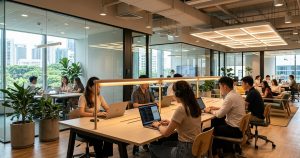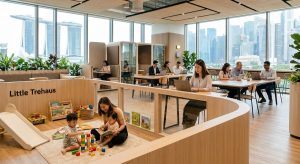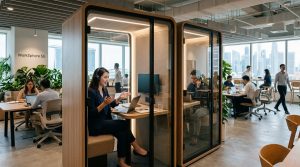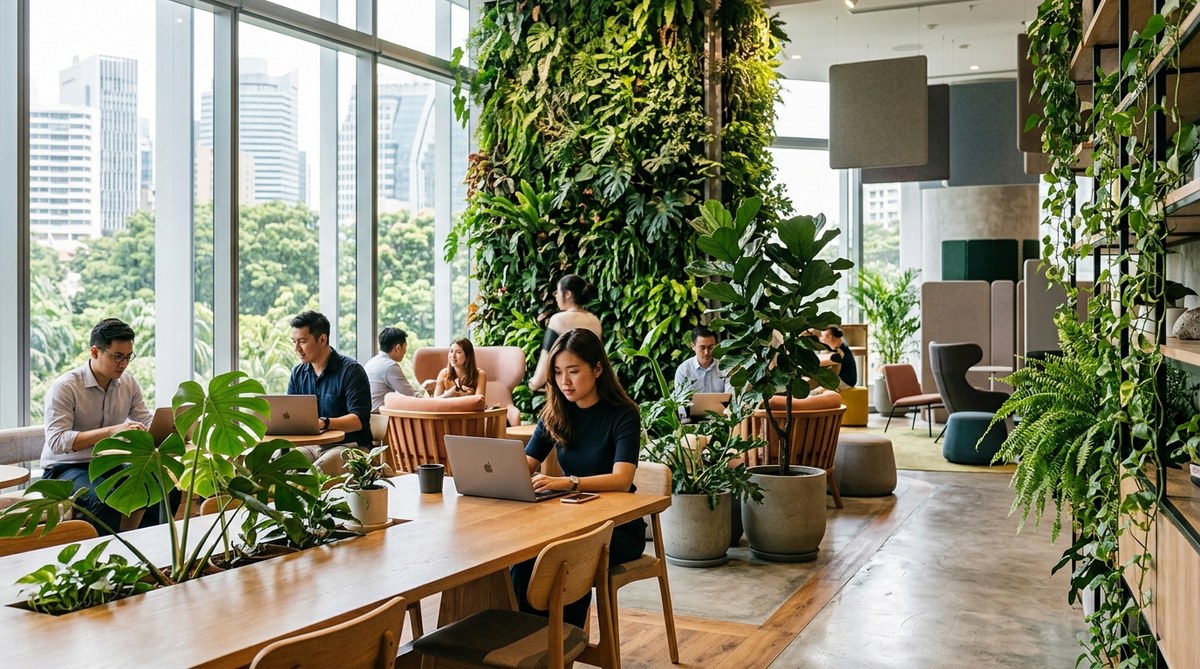
Picture this: You walk into a coworking space and something feels different. The air is fresher. The light feels softer, more natural. Your shoulders drop away from your ears almost without thinking. That is not an accident. That is biophilic design at work, and it is changing how shared workspaces operate in 2026.
Biophilic design is the practice of connecting people with nature inside the built environment. It sounds simple, but the science behind it is powerful. When coworking spaces intentionally weave natural elements into their architecture and decor, members show up more focused, less stressed, and noticeably more creative.
Biophilic design in coworking spaces is not just about adding plants. It is a strategic approach that uses natural light, organic materials, living walls, and nature-inspired patterns to lower stress, sharpen focus, and boost collaboration. For operators, investing in these elements directly improves member retention and daily output. The result is a workspace people actually want to return to.
Why Nature Belongs in Shared Workspaces
Humans evolved outdoors. Our brains are wired to respond to natural cues like sunlight, greenery, and water. In a typical office, those cues are missing. Fluorescent lights, stale air, and endless hard surfaces tell your nervous system to stay on alert. Over time, that low-level stress drains energy and kills productivity.
Coworking spaces have a unique advantage here. Unlike traditional corporate offices, they can adapt their layouts and design language more freely. Operators who embrace biophilic design coworking spaces see measurable improvements in how members feel and perform. Studies from 2025 and 2026 continue to confirm that access to natural elements reduces cortisol levels and increases cognitive function by as much as 15 percent.
The Core Elements That Make a Difference
Not all nature-inspired design is equal. To truly transform a space, operators need to focus on a handful of high-impact areas.
Natural Light and Views
This is the single most important factor. Members who sit near windows with views of trees or sky report higher energy levels and fewer headaches. Skylights, glass partitions, and open sightlines let daylight travel deeper into the floor plan. If your space lacks windows, consider using full-spectrum LED lighting that mimics the color temperature of the sun throughout the day.
Living Plants and Green Walls
A single potted plant is nice. A living wall or a cluster of floor-to-ceiling planters is transformative. Plants improve air quality by filtering volatile organic compounds. They also add humidity, which helps prevent dry eyes and scratchy throats during long work sessions.
Good choices for coworking environments include snake plants, pothos, and peace lilies. These species tolerate lower light and irregular watering, which matters when a community manager is responsible for keeping them alive.
Natural Materials and Textures
Concrete, steel, and glass dominate most urban coworking spaces. Biophilic design softens these surfaces with wood, stone, bamboo, and cork. Even small touches like wooden desk accessories, wool rugs, or linen upholstery can shift the feel of a room. The goal is to create a tactile experience that reminds people of being outdoors.
Organic Shapes and Patterns
Straight lines and sharp corners are rare in nature. Curved furniture, arched doorways, and patterns that mimic leaves or flowing water help the eye relax. Wallpaper with botanical prints, carpet tiles that look like moss, and ceiling fixtures that resemble branches all reinforce the biophilic effect.
A Practical Guide to Getting Started
If you are a coworking operator or architect looking to implement biophilic design, here is a straightforward process to follow.
-
Audit your current space for pain points. Walk through every zone with fresh eyes. Where does the light feel harsh? Which corners feel dead or uninviting? Note where members avoid sitting. Those spots need intervention.
-
Prioritize the low-hanging fruit first. Start with natural light improvements. Remove heavy window coverings, add mirrors to bounce light around, and reposition desks to face windows. Then bring in a mix of large and small plants. A single fiddle leaf fig in the lobby costs under 100 dollars and changes the entire entry experience.
-
Layer in textures and materials over time. You do not need to renovate everything at once. Swap out plastic chairs for wooden ones. Add a wool runner to a hallway. Install corkboard walls that serve as both bulletin boards and acoustic treatment. Each change builds on the last.
-
Create micro-environments for different work modes. Not everyone wants the same experience. Some members need bright, open space for collaboration. Others need dim, quiet nooks for deep focus. Use plants and natural dividers to carve out these zones without building permanent walls.
-
Measure the impact and iterate. Track membership renewal rates, daily check-ins, and feedback scores before and after changes. If a certain area gets more use after a redesign, replicate that approach elsewhere.
Common Mistakes to Avoid
Even well-intentioned operators can make errors when introducing biophilic design. Here is a table that highlights the difference between effective and ineffective approaches.
| What Works | What Does Not Work |
|---|---|
| Using a mix of plant species at different heights | Placing one small succulent on each desk |
| Bringing in natural light through skylights or glass walls | Relying solely on blue-tinted LED panels |
| Choosing real plants with proper irrigation systems | Using cheap artificial plants that collect dust |
| Incorporating wood, stone, and natural fibers | Covering everything in plastic laminate and vinyl |
| Designing curved pathways and organic furniture layouts | Keeping rigid grid layouts with sharp corners |
| Adding water features or soundscapes with nature sounds | Playing generic background music at high volume |
“Biophilic design is not a luxury add on. It is a fundamental shift in how we think about human performance indoors. The coworking spaces that invest in it today will be the ones that retain top talent tomorrow.”
Dr. Amelia Hart, environmental psychologist and workplace design researcher, 2026
How Biophilic Design Drives Productivity and Revenue
When members feel better, they stay longer. Longer stays mean higher revenue per square foot. But the benefits go beyond retention.
Members in biophilic coworking spaces report fewer sick days. Cleaner air and lower stress support immune function. For operators, that translates to consistent occupancy even during flu season. In a post-pandemic world, health-conscious professionals actively seek out spaces that prioritize well being.
Creativity also gets a measurable boost. Nature has a way of restoring what psychologists call “directed attention.” After spending time looking at greenery or natural patterns, the brain is better able to focus on complex tasks. Teams that brainstorm in a room with plants and natural light generate more original ideas than teams in a sterile meeting room.
There is also a social component. Living walls and communal plant care stations become conversation starters. Members who water the herbs in the kitchen or sit on the mossy bench near the entrance are more likely to strike up conversations. This organic networking is one of the hidden benefits of thoughtful design.
Practical Elements You Can Implement This Month
You do not need a full renovation to start seeing results. Here are actionable steps any coworking space can take right now.
- Add a welcome mat of greenery at the entrance. A row of potted plants or a small living wall sets the tone before anyone sits down.
- Replace half of your overhead lighting with warmer, dimmable fixtures. Give members control over their immediate environment.
- Introduce natural scents sparingly. Rosemary, eucalyptus, or cedar can improve focus without being overpowering.
- Use nature sounds in common areas. A small water fountain or a speaker playing subtle forest sounds can mask office noise.
- Provide ergonomic accessories made from natural materials. Bamboo monitor risers, wool seat cushions, and cork coasters are affordable upgrades.
For a deeper look at how shared environments affect your brain, read our article on the psychology behind coworking. It explains why certain design choices trigger positive behavioral responses.
Designing for the Senses
Biophilic design works because it engages multiple senses at once. It is not just visual. The sound of water, the texture of a stone wall, the smell of fresh soil, the warmth of sunlight on skin. When a space hits several of these notes, the brain registers safety and comfort. That is when deep work becomes possible.
Coworking spaces that get this right attract a loyal membership base. Freelancers, remote workers, and small teams all gravitate toward environments that support their health. They are willing to pay a premium for a desk that faces a window or a quiet corner filled with ferns.
If you are planning a new location or retrofitting an existing one, consider all five senses in your design brief. Ask yourself what members will see, hear, touch, smell, and even taste (through filtered water or herbal tea stations) during their day.
The Future of Biophilic Coworking Spaces
In 2026, the bar for what counts as a great coworking space has moved. Fast internet and good coffee are table stakes. The differentiator now is how a space makes people feel. Biophilic design is becoming the standard, not the exception.
Operators who ignore this trend risk losing members to competitors who have embraced nature inspired design. Architects who specialize in biophilic principles are in high demand. Office managers who advocate for these changes are seeing their teams become more engaged and less prone to burnout.
The next wave of innovation includes smart windows that tint automatically based on sunlight, living walls with integrated irrigation sensors, and furniture made from mycelium and other biodegradable materials. These advances will make biophilic design even more accessible and effective.
To learn more about where the industry is headed, check out our summary of 5 major coworking trends shaping Singapore’s workspace landscape in 2026. It covers how sustainability and wellness are driving design decisions across the region.
Bringing Nature Indoors on Any Budget
One common objection is cost. Biophilic design sounds expensive. But the truth is that many of the most effective interventions are surprisingly affordable.
A bucket of paint in a warm earth tone costs less than 50 dollars and changes the entire mood of a room. A 10-foot tall rubber tree plant costs around 80 dollars at a local nursery. Switching to warm tone light bulbs is a 20 dollar fix. These small changes compound over time.
For operators with larger budgets, investing in a professional living wall installation, a rainwater collection feature, or a rooftop garden can become a signature amenity that justifies higher membership pricing. The return on investment is clear when you calculate the lifetime value of a member who stays for two years instead of six months.
If you are still unsure where to start, take a look at our guide on 10 must-have amenities every modern coworking space should offer. It lists the features that members actually value, including several biophilic elements.
Why This Matters for Operators and Designers
You have a choice. You can run a coworking space that feels like a generic office, or you can create one that feels like a sanctuary. The data is clear on which option wins.
Members who feel connected to nature are more productive. They collaborate more openly. They recommend the space to others. And they are far less likely to cancel their membership when money gets tight.
For architects, biophilic design offers a way to stand out in a crowded market. A portfolio that shows thoughtful integration of natural elements will attract clients who value innovation and well being. It also aligns with broader sustainability goals, which is increasingly important for building certifications and tenant expectations.
If you are a first time operator, I recommend reading our guide to choosing your first coworking space in Singapore. It covers layout, location, and design considerations that complement the principles discussed here.
A Final Thought on the Spaces We Build
The best coworking spaces do not feel like offices at all. They feel like places where people want to be. Where the air moves. Where the light changes throughout the day. Where you can hear birds outside the window and feel the grain of a wooden table under your hands.
Biophilic design is not a trend that will fade. It is a return to something fundamental. Humans need nature. When we bring nature into the places where we work, we honor that need. And in return, our brains reward us with clarity, energy, and ideas.
Start small. Pick one corner of your space and make it greener, lighter, or more textured. See what happens. Watch how people gravitate toward it. Then do it again somewhere else. Over time, you will build a coworking environment that does not just house workers, but actively supports their best work.