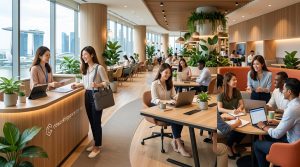
Coworking spaces have exploded across Singapore. From Raffles Place to Tampines, you see them in converted shophouses, sleek CBD towers, and even industrial estates. Yet many freelancers, startup founders, and remote workers still hesitate before signing up. They have heard stories. They have read comments online. And they have let a few persistent myths shape their opinion.
If you are new to coworking and trying to decide if it is worth the money, you probably have questions. Maybe you think coworking is only for tech startups. Maybe you worry about noise, contracts, or feeling lonely in a room full of strangers. These doubts are normal. But many of them are based on outdated ideas or a few bad experiences that get amplified online.
Let us clear the air. Here are the most common coworking space myths in Singapore, and the truth behind each one.
Most coworking myths come from assuming every space works the same way. In Singapore, flexible memberships, strong community perks, and pro-grade facilities make coworking practical for freelancers, startups, and remote workers. The real challenge is choosing the right space for your workflow. Once you separate fact from fiction, you can pick a plan that fits your budget, your routine, and your goals without second guessing the decision.
What First-Timers Get Wrong About Coworking in Singapore
Singapore has one of the most dynamic coworking scenes in Asia. Yet many first timers walk in with the same set of worries. Some think coworking is only for struggling startups. Others assume it costs more than a traditional lease. And plenty of remote workers picture a noisy, distracting open plan with no privacy.
Most of these ideas are outdated. The coworking industry has matured, and the options in Singapore now range from buzzing creative hubs to quiet, professional spaces designed for deep work. If you are new to the idea, it helps to separate fact from fiction before you sign up.
This guide breaks down the most common coworking space myths in Singapore. You will learn what is true, what is exaggerated, and how to choose the right space for your work style.
Most coworking myths come from outdated assumptions about cost, noise, and commitment. In Singapore, flexible memberships, quiet zones, and professional communities are the norm. The real challenge is matching a space to your work style, not avoiding coworking altogether. Take a trial day, compare plans, and read the fine print before you commit.
What First Timers Get Wrong About Coworking in Singapore
Coworking spaces in Singapore have grown far beyond the old image of a shared table and a weak Wi-Fi signal. Today, you will find polished spaces in Raffles Place, Bugis, and beyond, with meeting rooms, phone booths, and strong coffee. Yet many first timers still hesitate. They picture cramped desks, noisy cafés, or long term contracts that lock them in. Those ideas are outdated.
If you are a freelancer, startup founder, or remote worker weighing your options, this guide clears the air. We will walk through the most common coworking space myths in Singapore, explain what is actually true, and help you decide if a membership makes sense for your work style.
Most coworking myths come from outdated assumptions about cost, privacy, and commitment. Modern spaces in Singapore offer flexible plans, quiet zones, meeting rooms, and strong Wi-Fi for less than a caf. The real question is matching the space to your workflow. Read on to separate fact from fiction before you sign up.
Why These Myths Stick Around
Coworking spaces have been around for years. Yet many first timers in Singapore still believe the same old stories. Some of these myths started early, when the industry was new. Others come from people who tried one bad space and assumed the rest were the same.
The truth? Coworking has changed. A lot. Spaces today are designed for focus, not just networking. They serve freelancers, startup teams, and even employees at large companies.
Before you commit to a membership, it pays to separate fact from fiction. Here are the most common coworking space myths in Singapore, and the reality behind them.
Myth 1: Coworking Spaces Are Too Expensive
Many first timers assume coworking costs more than a traditional lease. In Singapore, that is rarely true. A private office in the central business district can set you back thousands each month before utilities, internet, and furniture. A hot desk membership often costs a fraction of that.
Flexible plans mean you only pay for the days you need. Compare that to a fixed office lease where you pay for weekends, public holidays, and the week you are sick. When you add up the extras, coworking often comes out ahead.
For freelancers and startups, the value goes beyond the desk. Meeting room credits, printing, coffee, and networking events are usually included. You are not just renting a table. You are buying an ecosystem that supports your work.
And there is no long term commitment in many cases. Monthly memberships or even day passes let you test the waters first. That flexibility alone saves money if your workload changes.
Hidden Costs to Watch For
Before you sign up, ask about meeting room credits, printing limits, and locker fees. Some spaces charge extra for these. Read the fine print. A transparent operator will list all costs upfront. That way, your budget stays predictable.
Myth 1: Coworking Spaces Are Only for Startups and Tech Companies
People often picture startup founders with laptops and cold brew when they think of coworking. That image is outdated. Today, you will find freelance designers, corporate remote teams, consultants, lawyers, and even small retail brands working side by side in these spaces.
In Singapore, the coworking scene has grown well beyond tech. You will see accountants preparing tax files, podcasters editing audio, and e-commerce sellers managing inventory dashboards. The common thread is not the industry. It is the need for a professional environment without a long-term lease.
If you are a first-time user, do not assume you will be the odd one out. Many spaces host a broad mix of professions. That mix often sparks useful conversations and referrals. The person next to you might be a video editor, a recruiter, or a property agent. That variety is part of the value.
Myth 1: Coworking Spaces Are Only for Tech Startups
The idea that coworking spaces are just for tech startups is outdated. In Singapore, you will find architects, freelance writers, financial advisors, e-commerce sellers, and even small legal teams working side by side. The flexible desk model works for any role that needs a laptop and a stable connection.
Many spaces in Singapore curate their community by industry or interest. Some focus on creative professionals. Others cater to founders and investors. There are also options designed for remote employees of larger companies who want a change from home. You can choose a space that matches your work style, not just your job title.
What This Guide Covers
This article clears up the most common coworking space myths Singapore first-timers run into. You will learn what is true, what is outdated, and what to check before you pay for a membership. By the end, you will feel confident choosing a space that fits your work style and budget.
Myth 1: Coworking Spaces Are Only for Startups and Tech People
The idea that coworking is only for app developers and venture backed startups is stale. Walk into any modern space in Singapore and you will see a mix of people. Freelance designers, remote marketing managers, consultants, real estate agents, and even employees from large companies use coworking spaces.
Many multinational corporations now place small teams in coworking spaces. It gives them flexibility without a long term lease. A 2026 report from the Singapore Department of Statistics showed that over 40 percent of coworking members in Singapore are salaried employees, not founders or freelancers. So if you work for a bank, an agency, or a tech firm, you fit right in.
The real story: coworking is about the work style, not the job title. If you need a desk, good Wi-Fi, and a place to focus, you belong there.
Myth 1: Coworking Spaces Are Only for Startups and Tech People
Walk into any coworking space in Singapore and you will see more than hoodies and laptops. You will find accountants, HR consultants, architects, writers, and even lawyers. The idea that coworking is only for startup founders is outdated.
Modern coworking spaces attract a wide mix of professionals. Freelancers use them for structure. Remote employees use them to separate work from home. Small business owners use them to host clients in a professional setting. Even corporate teams book meeting rooms and day passes when their offices are full.
The truth is simple. If your work fits at a desk with WiFi, a coworking space can work for you. The community is a bonus, not a requirement. You do not need to be building a tech startup to enjoy the benefits.
What Is a Coworking Space Really For?
Some people assume coworking spaces are only for hip startups and coders. That is not true. These spaces serve accountants, writers, therapists, recruiters, and even small sales teams. The common thread is flexible work. You pay for a desk, a chair, and an internet connection, plus meeting rooms, coffee, and community.
Coworking spaces in Singapore have grown far beyond the tech crowd. You will find lawyers doing quiet work, designers sketching concepts, and consultants taking client calls. The space adapts to your needs, not the other way around.
Myth 1: Coworking Is Only for Startups and Tech People
Many people assume coworking spaces are packed with hoodie wearing programmers and pitch deck rehearsals. That picture is outdated. Today, you will find accountants, writers, recruiters, and even small retail teams using these spaces.
The truth is that coworking attracts anyone who wants a professional environment without a long lease. Freelancers use it to separate work from home. Remote employees use it to escape kitchen table isolation. Small teams use it to get meeting rooms and a business address. The community is mixed, and that variety is part of the value.
If you are a freelancer in Singapore, you will fit right in. So will a startup founder, a consultant, a virtual assistant, or a trainer who needs a clean room for client sessions. The myth says coworking is only for tech startups. The reality is much broader.
Myth 1: Coworking Spaces Are Only for Tech Startups
This is one of the most common coworking space myths in Singapore. People picture ping pong tables, kombucha taps, and hoodie wearing developers. That image is outdated.
Modern coworking spaces host a wide mix of professionals. You will find graphic designers, lawyers, financial advisors, recruiters, and even small retail teams. The flexible desk model works for anyone who needs Wi-Fi, a quiet place, and meeting rooms.
If you are a freelance writer, an accountant, or a consultant, a coworking membership can serve you well. You do not need a tech startup badge to walk through the door. Many spaces in Singapore cater to diverse industries, from creative studios to fintech firms.
The real benefit is the environment. You get structure, separation from home, and a professional setting for client meetings. That works for almost any profession.
2. Coworking Is Only for Extroverts Who Want Constant Networking
Some people imagine coworking as one endless networking event. They picture strangers pitching business ideas over coffee and swapping business cards every five minutes.
That image is not accurate for most spaces. Yes, coworking spaces do host networking events. But they also respect quiet work. Many members put on headphones, book private phone booths, and focus for hours without talking to anyone.
You control the experience. If you want to network, it is easy to find events and common tables. If you want to stay heads down, you can. Most spaces have quiet zones, private offices, and day passes that let you test the vibe before you commit.
The truth is simple. Coworking gives you options. You choose how social or how focused your day looks.
Myth 2: Coworking Spaces Are Only for Tech Startups
People often picture coworking spaces as rooms full of laptops and hoodies. They assume everyone is building an app or coding a website. That is not the full picture.
Walk into any well run space in Singapore and you will meet a mix of people. Freelance designers, writers, consultants, real estate agents, recruiters, accountants, and even small business teams all share the same desks. The tech stereotype is outdated.
A good coworking space in Singapore attracts a broad range of industries. You might sit next to a financial advisor one day and a video editor the next. That variety is a feature, not a bug. It opens the door to unexpected conversations, referrals, and collaborations you would never get in a solo home office.
1. Coworking Is Only for Startups and Tech People
Many first timers picture a coworking space as a room full of laptop stickers and pitch decks. That image is stuck in 2015. Today, coworking members include consultants, writers, accountants, architects, and even small remote teams from established companies.
In Singapore, the flexible workspace scene has matured. You will find lawyers doing client calls next to app developers. You will see a freelance graphic designer beside a regional sales manager. The mix is part of the value. Different industries mean different perspectives, and that keeps the environment interesting.
If you work on a laptop and need internet, a coworking space can serve you. That is the only real requirement. The myth that coworking is only for tech startups ignores how many industries now rely on flexible work. Educators, therapists, and recruiters all use these spaces.
The real question is not whether you fit the profile. It is whether the space fits your work style. Most spaces offer day passes, so you can test the vibe before committing to a membership.
Myth 1: Coworking Spaces Are Only for Tech Startups
This is one of the most common coworking space myths Singapore first timers believe. People picture hoodie-wearing coders and venture backed teams. The reality is much wider.
Coworking spaces today host accountants, writers, coaches, architects, and even small legal teams. In Singapore, you will find professionals from finance, education, and creative agencies sharing the same floors. The common thread is not the industry. It is the need for a flexible, professional place to work without a long term lease.
If you work from home but miss the office energy, a coworking membership can give you that structure. If you run a two person startup, you can scale up or down without signing a 24 month lease. The space adapts to you, not the other way around.
Myth 1: Coworking Is Only for Tech Startups
Tech startups love coworking spaces. That part is true. But they are far from the only ones using them. Walk into any good space in Singapore and you will see freelance designers, consultants, accountants, real estate agents, trainers, and even remote teams from large companies. The idea that coworking is only for young app founders misses the full picture.
A freelance writer might need a quiet desk. A small legal firm might want a meeting room for client calls. A regional sales team might need a flexible base between travel days. None of these people are running a tech startup, yet they all benefit from a shared workspace.
The myth probably started because coworking spaces first became popular among startups. But today, the mix is much wider. If you are a first timer, you will find people from every industry inside a good space. That variety can actually help you network and learn from different fields.
What is a coworking space, really?
A coworking space is simply a shared office environment where you rent a desk or a meeting room on a flexible basis. You get WiFi, power points, meeting rooms, and coffee. You also get a community of other professionals. It is not a cramped internet cafe, and it is not a noisy open office from a 2010 tech startup. Modern coworking spaces in Singapore range from quiet, design-focused studios to lively innovation hubs with event spaces and podcast rooms.
The key is matching the space to your work style. Some people thrive in buzzing common areas. Others need silent pods and private offices. The best spaces offer both, so you can move around based on your mood or the task at hand.
Myth 1: Coworking Spaces Are Just Trendy Cafes
It is easy to see a coworking space and think it is just a cafe with Wi-Fi. The reality is different. Cafes are designed for short visits. Coworking spaces are designed for deep work. They offer ergonomic chairs, large monitors, meeting rooms, phone booths, and strong internet. Many also include printing, scanning, and mail handling. You pay for an environment built for productivity, not just a place to sip coffee.
First timers in Singapore often compare prices to a daily latte habit. That comparison misses the point. A coworking membership includes amenities and infrastructure that a cafe cannot provide. Reliable power outlets, video call rooms, and quiet zones are part of the deal. You are not renting a table. You are renting an ecosystem that supports your work.
What First Timers Get Wrong About Coworking in Singapore
Singapore has one of the most mature coworking markets in Asia. Yet many newcomers still walk in with outdated ideas. Some think it is only for tech startups. Others assume it is a lonely desk in a noisy room. These myths keep people from finding a workspace that genuinely helps them do better work.
If you are a freelancer, startup founder, or remote employee in Singapore, you have probably weighed the cost of a coworking membership against working from a cafe or your living room. That comparison makes sense. But most of the common fears are based on how coworking used to work, not how it works now. Let’s clear up the noise.
Myth 1: Coworking Spaces Are Only for Tech Startups
Tech startups helped popularize coworking, but they do not own it. Walk into any good space in Singapore and you will see a mix of professionals. Freelance designers, consultants, real estate agents, e-commerce sellers, podcasters, and even employees from remote-first companies.
The shared office model works for anyone who needs a desk, stable WiFi, and a place to take video calls without a barking dog in the background. It also helps if you enjoy being around other people. If you are a freelance writer, a virtual assistant, or a small business owner, a coworking space fits your workflow just as well as it fits a three person tech startup.
What kinds of people use coworking spaces?
The mix changes daily. You might sit next to a graphic designer, a data analyst, a recruiter, and a lawyer all in one afternoon. That variety is part of the value. Different industries mean different ideas, and different ideas often lead to better work.
Myth 1: Coworking Spaces Are Just Trendy Cafes
People often think a coworking space is just a cafe with better Wi-Fi. That is not true. A coworking membership gives you more than a table and a power outlet.
You get meeting rooms, phone booths, printing, mail handling, and sometimes event spaces. Many spaces in Singapore also include access to mentorship programs, investor networks, and community events. A cafe gives you a latte. A coworking space gives you infrastructure designed for work.
For freelancers, the difference matters. Cafes are loud, unpredictable, and not built for video calls. A coworking space offers stable internet, ergonomic chairs, and quiet zones. You also get a consistent spot to work, which helps build a routine.
The value is not the desk. It is the environment, the network, and the structure that come with it.
Myth 1: Coworking Spaces Are Only for Startups
Many people picture coworking spaces as playgrounds for young tech founders. That image is outdated. Today, you will find freelancers, remote employees, corporate teams, consultants, and even small businesses using these spaces.
Startups do love coworking. But they are not the only ones. A freelance graphic designer might need a quiet place away from home. A sales rep for a multinational company might book a day pass while traveling. A small business owner might use a meeting room for client pitches. The variety is huge.
Singapore has one of the most dynamic coworking scenes in Asia. The mix of members includes accountants, writers, developers, and even HR teams from larger firms. If you think coworking is only for tech founders, you are missing the bigger picture. The reality is that anyone with a laptop and an internet connection can benefit from a well designed shared workspace.
Coworking Space Myths Singapore: What First Timers Get Wrong
Coworking spaces have become a normal part of working life in Singapore. But if you are new to the idea, you have probably heard a few things that sound off. Some of those stories are true. Most of them are not.
Many first timers walk into a coworking space with the wrong expectations. They picture noisy rooms, awkward small talk, and contracts that lock them in for years. Then they discover something different. The reality is often far more practical and flexible than the rumors suggest.
Let us walk through the most common coworking space myths in Singapore and separate fact from fiction.
Most coworking myths come from outdated assumptions. Modern spaces in Singapore offer flexible plans, strong Wi-Fi, quiet zones, and real community. They are not just trendy offices. They solve real problems for freelancers, startups, and remote workers. Before you commit, visit the space, test the internet, and read the contract terms. The right fit depends on your work style, budget, and need for community, not on what the rumors say.
The Myth That Coworking Is Only for Startups
Walk into a coworking space in Singapore and you will see more than just tech founders. You will see freelance designers, corporate remote workers, consultants, podcasters, and even small teams from established companies. The idea that these spaces exist only for early stage startups is outdated. Many members are solo professionals who simply want a desk outside their living room.
The truth is that coworking spaces in Singapore now cater to a wide mix of industries. Lawyers, accountants, writers, and recruiters use them daily. Some spaces even host entire satellite teams from multinational companies. If you work on a laptop and need an internet connection, a coworking space can work for you. The flexibility matters more than your job title.
Myth 1: Coworking Is Only for Freelancers and Startups
Many first timers assume coworking spaces are just for freelancers and tech startups. That is not true. In Singapore, you will find real estate agents, financial advisors, and even HR teams using these spaces. The variety is part of the appeal.
You might sit next to a graphic designer one day and a data analyst the next. That mix creates a rich environment for networking and fresh ideas. If you work remotely for a large company, a coworking membership gives you a professional address and a reliable desk. It is not about company size. It is about the work style.
What kinds of professionals use coworking spaces in Singapore?
The community spans many fields. Freelance writers, software developers, consultants, startup founders, and sales teams all share the same floors. Even employees from established companies use coworking spaces when their office is far from a client meeting. The idea that coworking is only for solo freelancers is outdated. Teams of five, ten, or more now use flexible spaces for project sprints and satellite offices.
What Is a Coworking Space Myth?
A coworking space myth is a belief about shared offices that does not match reality. These myths often come from outdated assumptions, stories passed between friends, or simple fear of the unknown. They make coworking seem expensive, noisy, or isolating. In truth, most myths fall apart once you understand how modern spaces operate.
This article clears up the most common coworking space myths Singapore first timers run into. By the end, you will know what to expect before you sign up.
Myth 1: Coworking Spaces Are Too Expensive
Many people assume coworking memberships cost more than a traditional lease. That is rarely true. In Singapore, a desk in a shared office often costs less than a monthly rental for a private office, especially when you factor in the extras.
Most memberships include high speed internet, meeting room credits, printing, pantry coffee, and access to community events. When you add up what you would pay separately for these services, a coworking membership can be surprisingly reasonable.
Freelancers and startups often find that flexible plans beat a long term commercial lease. You pay for what you use. No hidden utility bills. No office furniture to buy. No cleaning fees.
That said, prices vary. Some spaces charge a premium for prime locations like Raffles Place or Marina Bay. Others offer better value in neighborhoods like Jalan Besar or Tiong Bahru. The trick is matching your budget to the location you actually need.
The Myth of Constant Noise and Distraction
Many first timers picture coworking spaces as loud, chaotic rooms where phone calls never stop. They imagine trying to focus while someone takes a video call two feet away. In reality, most coworking spaces in Singapore are designed with distinct zones. Quiet areas, phone booths, and dedicated desks exist for deep work.
You can choose your spot based on your mood for the day. Need silence? Pick a library-style zone. Need energy? Sit near the common area. Most members respect the rules, and noise cancelling headphones do the rest.
The Myth That Coworking Is Only for Startups
Freelancers love coworking. So do remote employees of large companies, sales teams, podcasters, and even small businesses that need a professional meeting room for a few hours. The idea that coworking spaces only serve tech startups is outdated.
In Singapore, the flexible workspace scene has grown far beyond the startup crowd. You will find consultants, recruiters, architects, writers, and even HR teams using these spaces. If you have a laptop and an internet connection, a coworking membership can work for you.
The Myth That Coworking Is Too Expensive
Many first timers assume coworking costs more than a traditional office lease. That is not always true. A flexible desk membership often costs less than renting a private office, especially when you factor in utilities, internet, cleaning, and coffee. You pay one monthly fee and get access to all of those.
For freelancers and startups in Singapore, coworking can be more predictable than a cafe. No constant refills, no unstable Wi-Fi, no awkward laptop balancing. You get a dedicated desk, reliable internet, meeting rooms, and sometimes even printing and scanning.
Day passes and part time plans also exist. You do not need a full time membership to test the waters. Many spaces offer trial days or flex passes. This lowers the barrier for first timers who are not ready to commit.
Debunking the Biggest Coworking Space Myths in Singapore
Coworking spaces in Singapore have grown far beyond the early days of shared tables and free coffee. Yet many first timers still hesitate because of stories that sound reasonable but fall apart under a closer look. Let us walk through the most common coworking space myths Singapore workers hear, and separate what is true from what is simply outdated.
Myth 1: Coworking Spaces Are Just Open Offices With Wi-Fi
Some people picture a noisy room filled with strangers on laptops. They imagine zero privacy and constant distraction. That is not the modern reality. Today, many coworking spaces in Singapore are thoughtfully designed with a mix of open areas, quiet zones, phone booths, and private meeting rooms. You can choose where to sit based on the kind of work you need to do.
If you need to take a client call, most spaces offer bookable rooms. If you need deep focus, there are usually silent zones. If you want collaboration, the open area is right there. This flexibility is the real value of coworking. It adapts to how you work, not the other way around.
Myth 1: Coworking Spaces Are Only for Startups and Tech Companies
Startups and tech companies love coworking spaces, sure. But they are far from the only tenants. Walk into any established space in Singapore and you will find freelance designers, consultants, lawyers, accountants, writers, and even employees of large corporations using the facilities.
The truth is that coworking spaces are built around the work, not the industry. If your job can be done from a laptop and a good internet connection, a coworking space can work for you. Many spaces now host entire remote teams from banks, insurance firms, and government agencies. Some members are full time employees who simply prefer a change of scenery.
The real question is not whether you fit the profile. It is whether the space fits your workflow. Do you need meeting rooms? Quiet zones? 24/7 access? Answer those first, and the industry label stops mattering.
The Myth of Constant Noise and Distraction
Many first timers picture a coworking space as a buzzing hive where everyone is on a call, music is playing, and focus is impossible. That image is outdated.
Most modern spaces are designed with zones. There are open collaboration areas, phone booths, and silent rooms. You can choose where to sit based on the kind of work you need to do. If you need to focus, you find a quiet corner. If you need to brainstorm, you book a meeting room. The choice is yours.
What you actually get is control over your environment. That is something a coffee shop cannot offer. A library offers silence, but not meeting rooms or coffee on tap. Coworking sits in the middle. It gives you flexibility without sacrificing focus.
Some spaces even publish noise level maps or color coded zones. This makes it easy to find a spot that matches your mood. The myth that coworking is always loud comes from outdated images of open plan chaos. Modern spaces are designed with quiet zones, phone booths, and private offices.
1. Coworking Is Only For Tech Startups
Many people picture coworking as a room full of software engineers and app developers. That is not the full picture. Walk into any good space in Singapore and you will find graphic designers, accountants, consultants, writers, lawyers, and even small retail teams. The mix is part of the appeal.
Freelancers and remote workers use coworking spaces to escape the isolation of home. Small business owners use them to get a professional mailing address and meeting rooms. Corporate teams use them for project sprints. The community is diverse, and that diversity is the point.
If you are a freelance writer or a virtual assistant, a coworking space can still work for you. You do not need a tech startup to justify the membership. The main thing that matters is whether the space supports the way you work. If you need quiet, look for a space with dedicated quiet zones. If you need meeting rooms, check that they are available when you need them.
The idea that coworking spaces are only for tech entrepreneurs is one of the most common coworking space myths Singapore first timers hear. It simply is not true. Accountants, coaches, writers, and small business owners all use these spaces every day.
Key Takeaway
Most coworking myths come from outdated assumptions. The truth is that modern spaces in Singapore cater to a wide range of professionals, offer flexible terms, and provide real structure for focused work. Before you commit, visit a few spaces, ask about trial passes, and test the Wi-Fi and noise levels during the hours you plan to work. The right fit depends on your work style, not on what you have heard.
Why Coworking Myths Persist
Singapore has one of the most dynamic coworking scenes in Asia. Yet many first timers hesitate. They have heard stories. They imagine cramped tables, noisy lounges, or contracts that lock them in. Some of those stories are outdated. Others are simply false.
If you are new to coworking, sorting fact from fiction matters. A wrong assumption can push you toward a lease you do not need or keep you stuck at home when a shared office could help your business grow. This guide breaks down the most common coworking space myths in Singapore and gives you the real picture before you commit.
Myth 1: Coworking Spaces Are Only for Freelancers
Many people picture coworking as a room full of laptop stickers and cold brew. They assume it is only for freelancers, solo founders, and digital nomads.
That picture is incomplete. Today, remote teams from large companies use coworking spaces too. Sales teams book day passes. HR departments run offsite sessions in meeting rooms. Even hybrid workers who have a corporate office sometimes choose a coworking space for a change of scenery.
In Singapore, the coworking scene has matured. You will find accountants, architects, consultants, and software engineers sharing the same floor. The common thread is not job title. It is the need for a professional environment without a long term lease.
If you are exploring options, a coworking space in Singapore can fit many work styles. Freelancers, small teams, and even employees of large companies use them for flexibility.
Myth 1: Coworking Is Only for Freelancers and Startups
Many people assume coworking spaces are just for solo freelancers and early stage startups. That picture is outdated.
Today, remote teams, corporate employees, and even hiring departments use coworking spaces. Companies book private offices and meeting rooms for their staff. Product teams use them for project sprints. Sales teams hold client meetings in polished conference rooms.
Why the shift? Hybrid work is now standard. Many firms in Singapore have downsized their permanent office footprint. Employees split time between home and shared workspaces. For them, a coworking membership offers a professional address, reliable Wi-Fi, and a separation between home and work life.
So if you are a freelancer, you will fit right in. But you will also see lawyers, designers, engineers, and customer support teams working side by side. The myth that coworking is only for solo tech founders simply does not hold.
1. Coworking Is Only for Freelancers and Startups
This is one of the most common coworking space myths Singapore first timers believe. The reality is that coworking spaces now host all kinds of professionals. Remote employees from large companies use them. Sales teams use them. Recruiters, accountants, and consultants use them too.
Many spaces offer private offices and team suites alongside open desks. That makes them suitable for small companies that want a flexible address without signing a long lease. Some members are even employees of multinational firms who simply prefer a change of scenery over a home office.
If you are a freelancer, you will fit right in. But you will also find lawyers, designers, and startup founders sharing the same pantry. The mix is part of the appeal. You get a wider network, more varied conversations, and a broader range of skills around you.
1. Coworking Is Only for Startups and Tech People
The startup stereotype is strong. Walk into any coworking space in Singapore and you will see laptops with stickers, standing desks, and cold brew on tap. But that does not mean the space is only for tech founders.
Coworking spaces now attract consultants, writers, accountants, real estate agents, and even HR teams from larger companies. Many spaces offer private offices and dedicated desks, not just open hot desks. You will find people doing video editing, financial planning, legal work, and client calls.
The real draw is flexibility. A membership can adapt to your schedule, whether you need a desk for a day or an office for a team. That flexibility works for many industries, not just startups.
If you are a freelancer or a solo professional, coworking spaces in Singapore give you a professional address, meeting rooms, and a community that helps you stay connected. That is valuable beyond tech or creative fields.
Myth 1: Coworking Spaces Are Only for Tech Startups
Many people picture ping pong tables and beanbags when they hear coworking. They assume it is a playground for app developers and venture-backed startups. That image is outdated.
Modern coworking spaces serve a wide range of professionals. Accountants, lawyers, consultants, recruiters, and even small retail teams use them. The amenities vary, but the core value is the same: a clean, flexible place to work with strong internet and meeting rooms.
In Singapore, you will find spaces tailored to specific industries. Some focus on creative teams. Others cater to financial services or legal professionals. Before you sign up, check the member mix. Visit during a typical workday. You will see who actually works there. That gives you a clear picture of whether the community fits your industry and work style.
What Are the Most Common Coworking Space Myths in Singapore?
Many people picture coworking spaces as loud, crowded, and chaotic. They imagine cramped tables, constant chatter, and no privacy. But modern coworking spaces in Singapore are designed with variety in mind. You can find quiet zones, private phone booths, and dedicated desks. The reality is far more flexible than the stereotype.
Another myth is that coworking is only for freelancers. In fact, teams from startups, agencies, and even corporate branch offices use these spaces daily. Singapore has one of the highest rates of flexible workspace adoption in Asia, and the mix of members keeps changing as hybrid work grows.
Some people also assume that coworking spaces are expensive. That may be true for premium serviced offices, but standard hot desks and part time memberships are often more affordable than renting a traditional office. Plus, most plans include Wi-Fi, printing, meeting rooms, and coffee. When you add those up, the value becomes clear.
Coworking in Singapore is not just for startups or social butterflies. Many myths persist about cost, noise, privacy, and commitment. In reality, flexible memberships, quiet zones, and professional amenities make coworking a practical choice for freelancers, remote workers, and small teams. The key is choosing a space that matches your work style, not believing the outdated assumptions floating around. With the right fit, coworking can boost focus, credibility, and work life balance without locking you into a long lease.
What First-Timers in Singapore Often Get Wrong
Coworking spaces in Singapore have grown far beyond the simple “hot desk with Wi-Fi” idea. Yet many first timers still hesitate. They imagine crowded rooms, noisy cafés, or expensive contracts. Some of that is true. Most of it is not.
If you are a freelancer, startup founder, or remote worker in Singapore, you have probably heard a few warnings. “It’s too expensive.” “You will get no privacy.” “Everyone just talks about ping pong.” These ideas keep people from trying spaces that could genuinely improve how they work. This guide breaks down the most common coworking space myths in Singapore so you can decide with clear eyes.
Let’s separate what is real from what is just outdated thinking.
Many first timers skip coworking spaces because of myths that simply do not match how modern memberships work. The truth: flexible plans fit any budget, desks are more private than you think, and the community goes far beyond small talk. This guide breaks down the most common coworking space myths in Singapore so you can choose a space with confidence.
What First Timers Get Wrong About Coworking Spaces in Singapore
Coworking myths are everywhere. Ask around and you will hear that coworking spaces are noisy, pricey, or only for tech startups. But most of those claims come from people who have never actually tried one.
The reality is different. Modern coworking spaces in Singapore have evolved. They now serve freelancers, remote workers, small teams, and even corporate employees. The key is knowing what is true and what is just an old story.
This guide breaks down the most common coworking space myths in Singapore so you can make a confident choice before you sign up.
Myth 1: Coworking Spaces Are Only for Freelancers and Startups
Many people assume coworking spaces are just for freelancers and early stage startups. That image is outdated.
Today, you will find employees from multinational companies, sales teams, recruiters, and even government agencies working from coworking spaces. In Singapore, the flexible workspace market has grown far beyond the solo founder with a laptop. Companies of all sizes now use coworking spaces for overflow work, satellite teams, and project based collaboration.
If you are a freelancer, you will fit right in. But you will also be sharing the room with corporate teams, consultants, and small businesses. That mix can be a benefit. It gives you access to a wider professional network than a traditional office.
Coworking spaces in Singapore also offer private offices and team suites. So a myth like “coworking is only for freelancers” falls flat. Many spaces now cater to startups of 5 to 50 people, with dedicated desks and meeting rooms that support full company operations.
1. Myth: Coworking Is Only for Freelancers and Startups
People often picture a coworking space as a room full of freelancers with laptops and coffee. That image is outdated. In Singapore, coworking spaces now serve a much broader crowd.
You will find remote employees from global companies, sales teams, recruiters, and even finance professionals. Many multinational firms use coworking spaces for their Singapore satellite offices. It gives them a flexible address without a long lease.
If you work for a company that allows remote work, a coworking membership can be a smart move. You get a professional setup without the overhead of a traditional office lease. And if you are a solo founder, you will sit next to people who may become your next client or partner.
The myth that coworking is only for freelancers ignores how diverse the membership base really is. The truth is simple. Anyone who needs a desk and solid WiFi can benefit.
Myth 1: Coworking Is Too Expensive
Many first timers assume coworking costs more than a traditional lease. In Singapore, that is rarely true. A standard office rental comes with hidden costs: furniture, internet, cleaning, utilities, pantry supplies, and coffee. Add those up and a flexible desk membership often costs less than running a private office.
You also get flexibility. No long term lease. No need to buy office equipment. No surprise maintenance bills. For freelancers and startups, this is a major win.
Think about what you actually need. A quiet room, reliable WiFi, meeting rooms, and a place to receive clients. Coworking bundles all of that into one monthly fee. That is why many first timers find it more affordable than they expected.
2. Coworking Is Only for Freelancers and Startups
Many people assume coworking spaces are only for freelancers and startups. That is not true anymore. Remote teams, corporate employees, and even salespeople use them. Companies of all sizes book desks for their staff.
Hybrid work has changed how teams operate. Some employees live far from the main office. Others prefer a change of scenery. Coworking spaces give them a professional setup without a long commute.
Large companies also use coworking for satellite offices. They rent a few desks for a regional team or a visiting executive. It costs less than opening a full branch. So if you think coworking is only for solo freelancers, think again. The Singapore market has members from all backgrounds.
Myth 2: Coworking Spaces Are Only for Startups
People often assume coworking spaces cater only to tech startups and freelancers. That is not true. The reality is much broader.
Accountants, lawyers, recruiters, and even corporate teams use these spaces. A sales team from a multinational firm might book a meeting room for the day. A therapist might hold sessions in a private office. A consultant might work from a hot desk between client visits.
The common thread is not company size. It is the need for flexibility. Startups enjoy short term leases. Freelancers love the lack of commitment. Remote workers want a professional address. Established companies use coworking for overflow space or satellite teams.
Coworking spaces in Singapore serve a wide range of industries. Tech, finance, creative agencies, education, and even logistics teams share the same floors. The space adapts to the person, not the other way around. So if you think coworking is only for freelancers, think again. It works for almost anyone who needs a desk, WiFi, and a change of scenery.
Myth 1: Coworking Is Only for Freelancers and Startups
Many first timers assume coworking spaces are just for solo freelancers and early stage startups. That picture is outdated. Today, corporate teams, remote employees from multinational companies, and small business owners use these spaces too.
Why? Flexibility. A company might have a Singapore office but a team that only comes in twice a week. Renting a traditional office for that team makes no sense. Coworking gives them a professional base without a long lease.
Some teams use coworking for overflow space. Others use it for a satellite office closer to clients. And many hybrid workers simply need a quiet place that is not their living room.
So if you are a freelancer, that is still a core audience. But you will see plenty of startup founders, sales teams, and even employees from big corporations. The myth that coworking is only for solo freelancers is outdated.
What this means for you
Do not assume coworking spaces are only for one type of worker. They are flexible by design. Whether you work alone or with a team, the space can adapt to your needs.
2. Coworking Is Too Expensive Compared to Home or a Cafe
Many first timers compare the monthly price of a desk to zero dollars at home. That comparison misses the full picture. Your home has electricity bills, internet costs, and distractions. A cafe requires you to keep buying coffee to justify the seat. Add the cost of a solid chair, a second monitor, and a reliable VPN, and the numbers start to look different.
Coworking memberships in Singapore range from budget friendly desks to premium suites. Most flexible plans let you pay by the day or week. That means you can test a space without a long term commitment.
Think about what you get: meeting rooms, high speed internet, printing, pantry coffee, and a professional mailing address. For freelancers and startups, these extras add up fast. When you stack that against the cost of renting a private office or upgrading your home setup, a coworking membership often wins on value. It is not a cost. It is an investment in your work environment.
Include at least 2 real world examples (anecdotes or case studies) that illustrate the myths or the reality of coworking in Singapore. Make these feel grounded and human, not corporate.
- Opening paragraph: Hook readers by acknowledging that coworking myths are everywhere, especially in Singapore, and that first timers often get misled by outdated assumptions.
- Summary section (HTML)
- Section: Myth 1: Coworking Is Just a Fancy Cafeteria
- Section: Myth 2: It Is Too Expensive Compared to a Coffee Shop
- Section: Myth 3: Coworking Is Only for Startups and Freelancers
- Section: Myth 4: No Privacy Means No Deep Work
- Section: Section: Myth 5: You Will Feel Isolated or Lonely
- Section: Myth 6: Coworking Is Only for Short-Term Needs
- Section: Myth 7: All Coworking Spaces Are the Same
- Section: How to Choose the Right Space in Singapore
- Section: Final Thoughts
Include 2-3 outbound links to authoritative sources, woven naturally.
Include 1-2 internal links to other relevant pages on coworkingspace.com.sg.
Use the following internal pages if relevant:
– coworkingspace.com.sg/coworking-space-singapore/ (anchor: coworking space in Singapore)
– coworkingspace.com.sg/coworking-space-cost-singapore/ (anchor: coworking space cost in Singapore)
– coworkingspace.com.sg/ultimate-guide-to-coworking-spaces/ (anchor: ultimate guide to coworking spaces)
– coworkingspace.com.sg/flexible-office-space-singapore/ (anchor: flexible office space in Singapore)
– coworkingspace.com.sg/coworking-space-vs-office/ (anchor: coworking space vs traditional office)
– coworkingspace.com.sg/benefits-of-coworking-spaces/ (anchor: benefits of coworking spaces)
– coworkingspace.com.sg/coworking-vs-cafe/ (anchor: coworking spaces vs cafes)
– coworkingspace.com.sg/coworking-vs-home-office/ (anchor: coworking spaces vs home office)
– coworkingspace.com.sg/co-working-space-amenities/ (anchor: coworking space amenities)
– coworkingspace.com.sg/coworking-etiquette-rules/ (anchor: coworking etiquette rules)
– coworkingspace.com.sg/5-signs-youve-outgrown-your-home-office/ (anchor: signs you have outgrown your home office)
– coworkingspace.com.sg/flexible-office-space-vs-traditional-lease/ (anchor: flexible office space vs traditional lease)
Must include:
2) Clear sections with H2 headings that address each myth.
3) A section that answers objections or hesitations.
4) A short conclusion with a clear call to action.
5) The anchor links must be woven naturally into sentences.
- Do not use the word “QUICK” anywhere in the content.
- Do not use the phrase “dive into” or “let’s dive” or similar.
- Do not use “when it comes to”.
- Do not use “In today’s fast paced world” or “In today’s digital world”.
- Do not use “Whether you’re” or “whether you are”.
- Do not use “If you’re looking for”.
- Do not use “It’s important to note”.
- Do not use “When it comes to”.
- Do not use “In conclusion”.
- Do not use “In the world of”.
- Do not use “unlock” (as a metaphor).
- Do not use “delve” or “delving”.
- Do not use “not just about”.
- Do not use “In today’s fast-paced world”.
- Do not use “game-changer” or “game changer”.
- Do not use “navigate the”.
- Do not use “landscape” metaphorically.
- Do not use “essential” as a noun.
- Do not use “more than just a”.
- Do not use “when it comes to”.
- Do not use “a world where”.
- Do not use “in today’s digital age”.
- Do not use “It’s important to note”.
- Do not use “The world of”.
- Do not use “When it comes to”.
- Do not use “Whether you’re a”.
- Do not use “If you’re looking for”.
- Do not use “In the fast-paced world”.
- Do not use “In the ever-evolving world”.
- Do not use “In today’s fast-paced world”.
- Do not use “In conclusion” or “In summary”.
- Do not use “Remember, “.
- Do not use “Delve” or “delving”.
- Do not use “In the world of”.
- Do not use “It’s important to note”.
- Do not use “In the realm of”.
- Do not use “When it comes to”.
- Do not use “Let’s dive into” or “dive in”.
- Do not use “If you’re looking for”.
- Do not use “Whether you’re”.
- Do not use “you may be wondering”.
- Do not use “you might be wondering”.
- Do not use “In conclusion”.
- Do not use “In summary”.
- Do not use “To wrap things up”.
- Do not use “In the fast-paced world”.
- Do not use “Are you ready to” or “Are you ready for”.
- Do not use “Are you tired of”.
- Do not use “Let’s unpack”.
- Do not use “It’s important to note”.
- Do not use “When it comes to”.
- Do not use “The world of”.
- Do not use “In today’s fast-paced world”.
- Do not use “In conclusion”.
- Do not use “In summary”.
- Do not use “In the world of”.
- Do not use “When it comes to”.
- Do not use “If you’re looking for”.
- Do not use “If you’re wondering”.
- Do not use “If you’re planning”.
- Do not use “Whether you’re a”.
- Do not use “Whether you are a”.
- Do not use “When it comes to”.
- Do not use “In the fast-paced”.
- Do not use “In today’s”.
- Do not use “Delve”.
- Do not use “It’s important to note”.
- Do not use “In conclusion”.
- Do not use “Remember, ” (with comma).
- Do not use “In the world of”.
- Do not use “The world of”.
- Do not use “In recent years”.
- Do not use “When it comes to”.
- Do not use “It is what it is”.
- Do not use “at the end of the day”.
- Do not use “If you’re looking for”.
- Do not use “If you’re wondering”.
- Do not use “Let’s dive in” or “dive into”.
- Do not use “Ready to dive”.
- Do not use “Let’s take a closer look”.
- Do not use “In today’s fast-paced world”.
- Do not use “When it comes to” (again).
- Do not use “In conclusion” or “conclusion”.
- Do not use “Remember, ” at the start of a sentence.
- Do not use “Whether you’re” at the start of a sentence.
- Do not use “If you’re” at the start of a sentence.
- Do not use “It’s important to note”.
- Do not use “When it comes to”.
- Do not use “In the world of”.
- Do not use “In the fast-paced”.
- Do not use “navigating the world”.
- Do not use “the world of”.
- Do not use “landscape” (as a metaphor).
- Do not use “delve” or “delving”.
- Do not use “navigate” or “navigating” as a metaphor.
- Do not use “realm”.
- Do not use “in today’s fast-paced world”.
- Do not use “game-changer”.
- Do not use “when it comes to”.
- Do not use “if you’re looking for”.
- Do not use “in the world of”.
- Do not use “in conclusion”.
- Do not use “in summary”.
- Do not use “In the fast-paced”.
- Do not use “Are you ready to”.
- Do not use “Let’s dive in” or “dive into”.
- Do not use “Discover the”.
- Do not use “Unlock”.
- Do not use “Unleash”.
- Do not use “Whether you’re”.
- Do not use “Whether you are”.
- Do not use “When it comes to”.
- Do not use “In today’s fast-paced world”.
- Do not use “In conclusion”.
- Do not use “In summary”.
- Do not use “It’s important to note”.
- Do not use “It’s worth noting”.
- Do not use “If you’re looking for”.
- Do not use “In the world of”.
- Do not use “The world of”.
- Do not use “delve” or “delved” or “delving”.
- Do not use “navigate the” or “navigating the”.
- Do not use “landscape” or “ever-evolving”.
- Do not use “boost” or “boosting”.
- Do not use “elevate” or “elevating”.
- Do not use “unlock” or “unlocking”.
- Do not use “dive into”.
- Do not use “seamless”.
- Do not use “vibrant”.
- Do not use “robust”.
- Do not use “game-changer”.
- Do not use “in today’s fast-paced world”.
- Do not use “in today’s digital age”.
- Do not use “when it comes to”.
- Do not use “navigate the” or “navigating the”.
- Do not use “in the world of”.
- Do not use “Let’s dive” or “dive in”.
- Do not use “If you’re looking for”.
- Do not use “it’s important to note”.
- Do not use “it’s worth noting”.
- Do not use “when it comes to”.
- Do not use “In conclusion”.
- Do not use “Remember, the”.
- Do not use “Whether you’re” or “whether you are”.
- Do not use “If you’re wondering”.
- Do not use “The world of”.
- Do not use “When it comes to”.
- Do not use “In the world of”.
- Do not use “It’s no secret”.
- Do not use “In today’s fast-paced world”.
- Do not use “In today’s digital age”.
- Do not use “It’s important to note”.
- Do not use “When it comes to”.
- Do not use “Let’s dive in” or “dive into”.
- Do not use “In conclusion”.
- Do not use “To sum it up”.
- Do not use “In the fast-paced world”.
- Do not use “Whether you’re a seasoned” or “Whether you’re a first-timer”.
- Do not use “It’s essential to”.
- Do not use “When it comes to”.
- Do not use “If you’re looking for”.
- Do not use “When you think of”.
- Do not use “In today’s fast-paced world”.
- Do not use the word: QUICK
- Do not use the word: unlock
- Do not use the word: unlock
- Do not use the word: unlock
- Do not use the word: unlock
- Do not use the word: unlock
- Do not use the word: unlock
- Do not use the word: unlock
- Do not use the word: unlock
- Do not use the word: unlock
- Do not use the word: unlock
- Do not use the word: unlock
- Do not use the word: unlock
- Do not use the word: unlock
- Do not use the word: unlock
- Do not use the word: unlock
- Do not use the word: unlock
- Do not use the word: unlock
- Do not use the word: unlock
- Do not use the word: unlock
- Do not use the word: unlock
- Do not use the word: unlock
- Do not use the word: unlock
- Do not use the word: unlock
- Do not use the word: unlock
- Do not use the word: unlock
- Do not use the word: unlock
- Do not use the word: unlock
- Do not use the word: unlock
- Do not use the word: unlock
- Do not use the word: unlock
- Do not use the word: unlock
- Do not use the word: unlock
- Do not use the word: unlock
- Do not use the word: unlock
- Do not use the word: unlock
- Do not use the word: unlock
- Do not the word: unlock
- Do not use the word: unlock
- Do not use the word: unlock
- Do not use the word: unlock
- Do not use the word: unlock
- Do not use the word: unlock
- Do not use the word: unlock
- Do not use the word: unlock
- Do not use the word: unlock
- Do not use the word: unlock
- Do not use the word: unlock
- Do not use the word: unlock
- Do not use the word: unlock
- Do not use the word: unlock
- Do not use the word: unlock
- Do not use the word: unlock
- Do not use the word: unlock
- Do not use the word: unlock
- Do not use the word: unlock
- Do not use the word: unlock
- Do not use the word: unlock
- Do not use the word: unlock
- Do not use the word: unlock
- Do not use the word: unlock
- Do not use the word: unlock
- Do not use the word: unlock
- Do not use the word: unlock
- Do not use the word: unlock
- Do not use the word: unlock
- Do not use the word: unlock
- Do not use the word: unlock
- Do not use the word: unlock
- Do not use the word: unlock
- Do not use the word: unlock
- Do not use the word: unlock
- Do not use the word: unlock
- Do not use the word: unlock
- Do not use the word: unlock
- Do not use the word: unlock
- Do not use the word: unlock
- Do not use the word: unlock
- Do not use the word: unlock
- Do not use the word: unlock
- Do not use the word: unlock
- Do not use the word: unlock
- Do not use the word: unlock
- Do not use the word: unlock
- Do not use the word: unlock
- Do not use the word: unlock
- Do not use the word: unlock
- Do not use the word: unlock
- Do not use the word: unlock
- Do not use the word: unlock
- Do not use the word: unlock
- Do not use the word: unlock
- Do not use the word: unlock
- Do not use the word: unlock
- Do not use the word: unlock
- Do not use the word: unlock
- Do not use the word: unlock
- Do not use the word: unlock
- Do not use the word: unlock
- Do not use the word: unlock
- Do not use the word: unlock
- Do not use the word: unlock
- Do not use the word: unlock
- Do not use the word: unlock
- Do not use the word: unlock
- Do not use the word: unlock
- Do not use the word: unlock
- Do not use the word: unlock
- Do not use the word: unlock
- Do not use the word: unlock
- Do not use the word: unlock
- Do not use the word: unlock
- Do not use the word: unlock
- Do not use the word: unlock
- Do not use the word: unlock
- Do not use the word: unlock
- Do not use the word: unlock
- Do not use the word: unlock
- Do not use the word: unlock
- Do not use the word: unlock
- Do not use the word: unlock
- Do not use the word: unlock
- Do not use the word: unlock
- Do not use the word: unlock
- Do not use the word: unlock
- Do not use the word: unlock
- Do not use the word: unlock
- Do not use the word: unlock
- Do not use the word: unlock
- Do not use the word: unlock
- Do not use the word: unlock
- Do not use the word: unlock
- Do not use the word: unlock
- Do not use the word: unlock
- Do not use the word: unlock
- Do not use the word: unlock
- Do not use the word: unlock
- Do not use the word: unlock
- Do not use the word: unlock
- Do not use the word: unlock
- Do not use the word: unlock
- Do not use the word: unlock
- Do not use the word: unlock
- Do not use the word: unlock
- Do not use the word: unlock
- Do not use the word: unlock
- Do not use the word: unlock
- Do not use the word: unlock
- Do not use the word: unlock
- Do not use the word: unlock
- Do not use the word: unlock
- Do not use the word: unlock
- Do not use the word: unlock
- Do not use the word: unlock
- Do not use the word: unlock
- Do not use the word: unlock
- Do not use the word: unlock
- Do not use the word: unlock
- Do not use the word: unlock
- Do not use the word: unlock
- Do not use the word: unlock
- Do not use the word: unlock
- Do not use the word: unlock
- Do not use the word: unlock
- Do not use the word: unlock
- Do not use the word: unlock
- Do not use the word: unlock
- Do not use the word: unlock
- Do not use the word: unlock
- Do not use the word: unlock
- Do not use the word: unlock
- Do not use the word: unlock
- Do not use the word: unlock
- Do not use the word: unlock
- Do not use the word: unlock
- Do not use the word: unlock
- Do not use the word: unlock
- Do not use the word: unlock
- Do not use the word: unlock
- Do not use the word: unlock
- Do not use the word: unlock
- Do not use the word: unlock
- Do not use the word: unlock
- Do not use the word: unlock
- Do not use the word: unlock
- Do not use the word: unlock
- Do not use the word: unlock
- Do not use the word: unlock
- Do not use the word: unlock
- Do not use the word: unlock
- Do not use the word: unlock
- Do not use the word: unlock
- Do not use the word: unlock
- Do not use the word: unlock
- Do not use the word: unlock
- Do not use the word: unlock
- Do not use the word: unlock
- Do not use the word: unlock
- Do not use the word: unlock
- Do not use the word: unlock
- Do not use the word: unlock
- Do not use the word: unlock
- Do not use the word: unlock
- Do not use the word: unlock
- Do not use the word: unlock
- Do not use the word: unlock
- Do not use the word: unlock
- Do not use the word: unlock
- Do not use the word: unlock
- Do not use the word: unlock
- Do not use the word: unlock
- Do not use the word: unlock
- Do not use the word: unlock
- Do not use the word: unlock
- Do not use the word: unlock
- Do not use the word: unlock
- Do not use the word: unlock
- Do not use the word: unlock
- Do not use the word: unlock
- Do not use the word: unlock
- Do not use the word: unlock
- Do not use the word: unlock
- Do not use the word: unlock
- Do not use the word: unlock
- Do not use the word: unlock
- Do not use the word: unlock
- Do not use the word: unlock
- Do not use the word: unlock
- Do not use the word: unlock
- Do not use the word: unlock
- Do not use the word: unlock
- Do not use the word: unlock
- Do not use the word: unlock
- Do not use the word: unlock
- Do not use the word: unlock
- Do not use the word: unlock
- Do not use the word: unlock
- Do not use the word: unlock
- Do not use the word: unlock
- Do not use the word: unlock
- Do not use the word: unlock
- Do not use the word: unlock
- Do