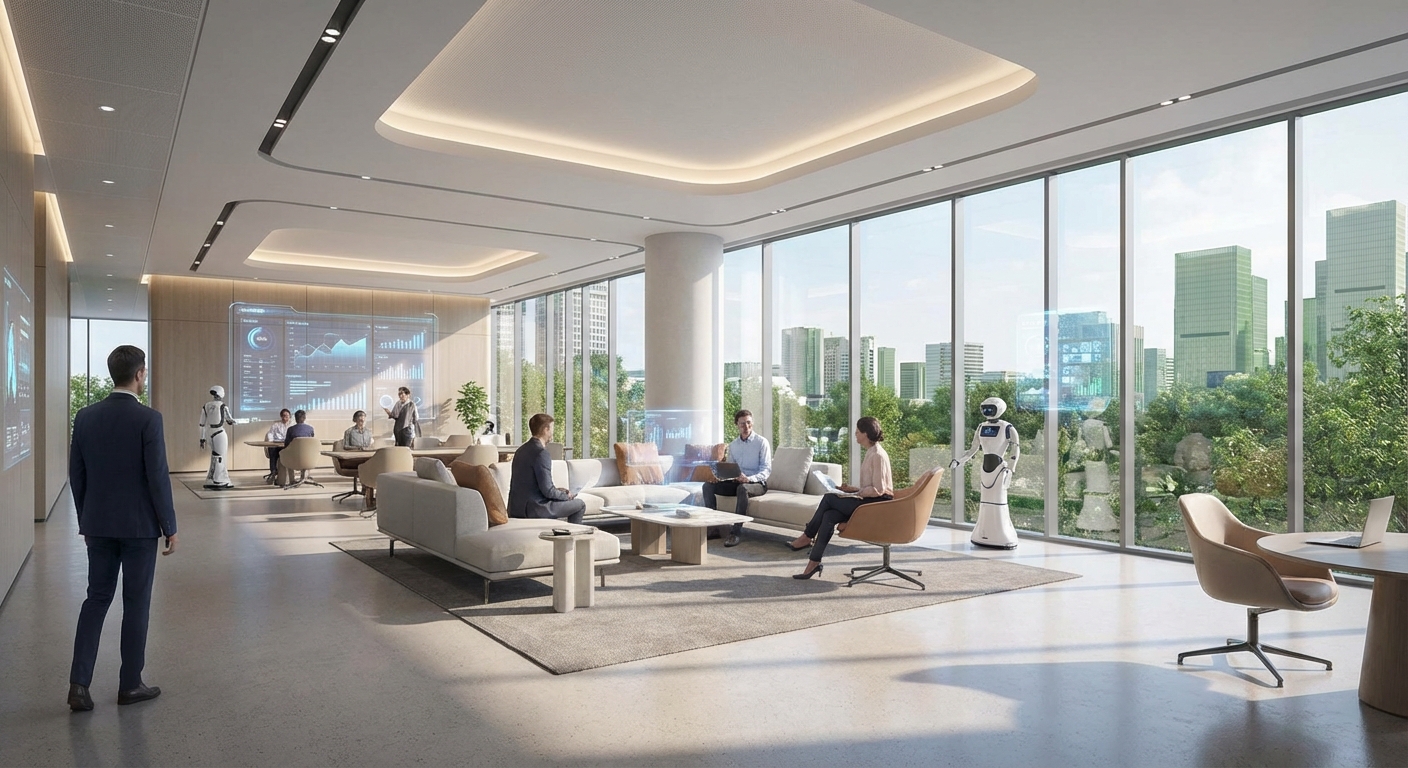
Artificial intelligence is no longer a futuristic concept for coworking spaces. It’s here, it’s practical, and it’s reshaping how operators manage facilities, serve members, and compete in an increasingly crowded market. The coworking spaces that thrive in 2026 aren’t just offering desks and coffee anymore. They’re using AI to predict member needs, optimize energy consumption, and create experiences that traditional offices simply can’t match.
AI coworking spaces in 2026 use smart technology to automate facility management, personalize member experiences, and reduce operational costs by up to 35%. From predictive maintenance to AI-powered booking systems, these technologies help operators serve more members with fewer resources while creating workspaces that adapt to individual needs in real time.
Smart Access Control Systems That Learn Member Behavior
Traditional key cards are becoming obsolete. Modern AI access systems recognize members through facial recognition, mobile credentials, and behavioral patterns.
These systems learn when members typically arrive. They pre-adjust lighting and temperature in frequently used areas. They also flag unusual access patterns that might indicate security concerns.
The best systems integrate with member management platforms. They automatically grant access when someone joins and revoke it when memberships end. No manual updates needed.
For operators managing multiple locations, centralized AI access control means you can monitor all sites from one dashboard. You’ll see occupancy patterns, identify underutilized spaces, and make data-driven decisions about layout changes.
Predictive Maintenance Reduces Downtime and Costs
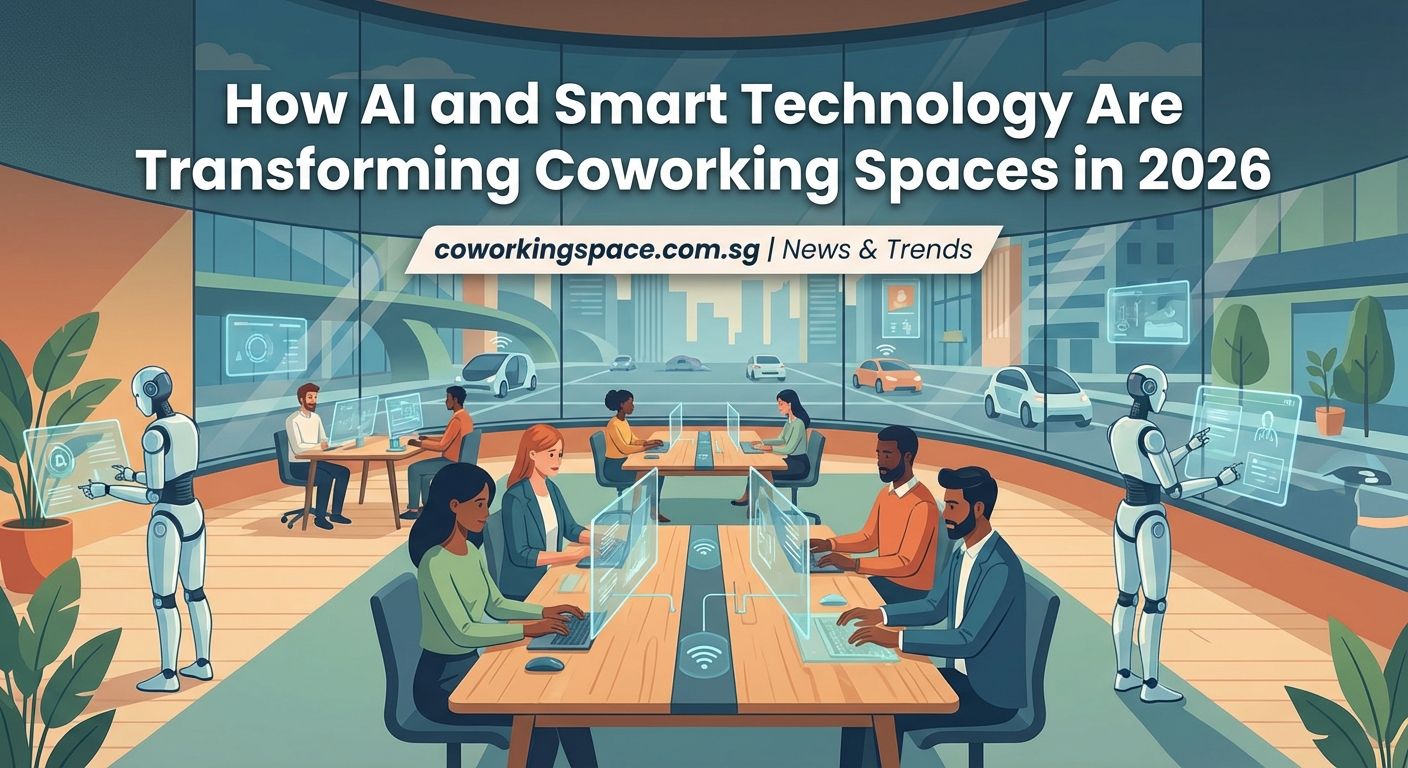
AI sensors monitor everything from HVAC systems to coffee machines. They detect performance degradation before equipment fails.
A smart HVAC system might notice that one zone is taking longer to cool. It alerts your facilities team to check the filters or refrigerant levels before members start complaining about temperature.
This approach saves serious money. Reactive maintenance costs 3 to 5 times more than predictive maintenance. Equipment lasts longer when problems get caught early.
Here’s what AI predictive maintenance monitors in modern coworking spaces:
- HVAC system performance and energy efficiency
- Elevator usage patterns and maintenance needs
- Plumbing systems for leak detection
- Internet connectivity and network performance
- Door locks and security hardware functionality
- Lighting systems and bulb replacement schedules
Automated Space Utilization Tracking
Understanding how members use your space used to require manual surveys or expensive consultants. AI cameras and sensors now provide real-time data without invading privacy.
These systems count people in different zones without identifying individuals. They track which meeting rooms get booked but never used. They identify bottlenecks in common areas.
One operator in Singapore discovered that their expensive quiet rooms sat empty 60% of the time. Members actually preferred working in semi-private nooks near windows. They reconfigured the space based on this data and increased member satisfaction scores by 23%.
The data helps with pricing decisions too. High-demand zones can command premium rates. Underutilized areas might need redesign or repurposing.
AI-Powered Booking and Scheduling Systems
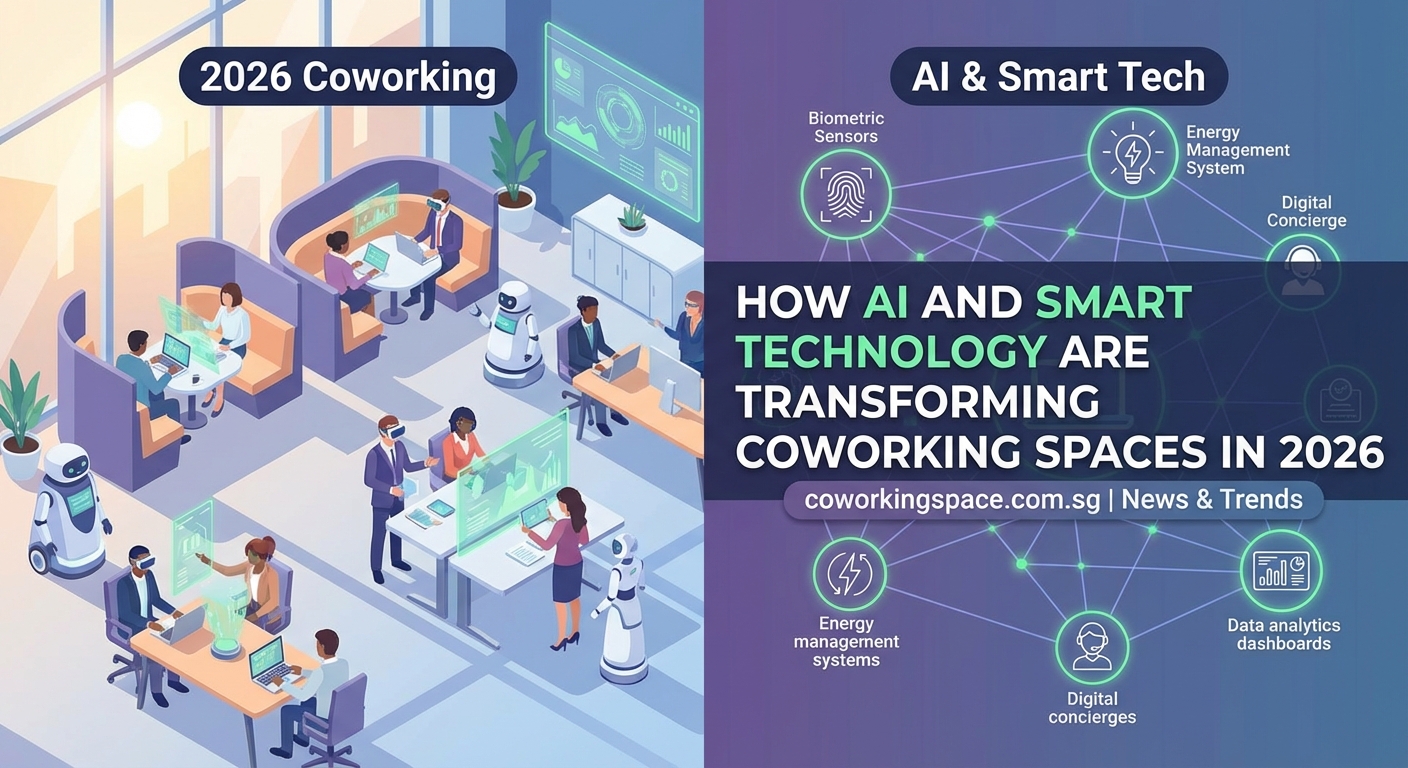
Smart booking systems do more than just reserve rooms. They learn member preferences and make intelligent suggestions.
If you typically book a 4-person meeting room on Tuesday mornings, the system remembers. It might proactively suggest available rooms at your usual time. It can also recommend alternative spaces based on your meeting size and equipment needs.
These systems reduce no-shows by sending smart reminders. They can automatically release rooms if members don’t check in within 15 minutes. This keeps spaces available for others who need them.
For operators, AI scheduling reduces administrative burden. The system handles double-booking conflicts, sends automated invoices, and even suggests optimal pricing based on demand patterns.
Personalized Climate and Lighting Control
Different people have different comfort preferences. AI environmental systems create micro-zones that adapt to individual needs.
Sensors detect when someone sits at a hot desk and adjust the nearby lighting and temperature based on their profile preferences. When they leave, the system returns to default settings to save energy.
This level of personalization was impossible five years ago. Now it’s becoming standard in premium coworking spaces.
The energy savings are substantial. AI climate control can reduce HVAC costs by 20 to 30% compared to traditional systems. The technology pays for itself within 18 to 24 months in most cases.
Voice-Activated Workspace Assistants
Members can now control their environment through voice commands. “Increase the brightness” or “book a phone booth for 30 minutes” work seamlessly with integrated AI assistants.
These systems connect to building management, booking platforms, and member databases. They provide information about upcoming events, answer questions about amenities, and even help with basic troubleshooting.
For remote workers who split time between home and coworking spaces, voice control creates continuity. They can work the same way in both environments.
Smart Visitor Management and Security
AI reception systems greet visitors, verify their identity, and notify hosts automatically. No front desk staff required for basic check-ins.
The system captures visitor photos, prints badges, and logs entry times. It can also detect if someone enters restricted areas and send immediate alerts to security.
For spaces that host frequent events, AI visitor management handles registration, tracks attendance, and even suggests networking connections based on attendee profiles.
Energy Optimization Through Machine Learning
AI energy management systems learn your building’s patterns and optimize consumption accordingly. They predict occupancy based on historical data, weather forecasts, and even local events.
If a major conference is happening nearby, the system might anticipate higher than normal attendance. It pre-cools the space more efficiently than reacting to occupancy in real time.
These systems also participate in demand response programs. They can automatically reduce energy consumption during peak pricing periods without significantly impacting member comfort.
| Technology | Cost Reduction | Implementation Time | ROI Period |
|---|---|---|---|
| AI HVAC Control | 20-30% energy savings | 2-4 weeks | 18-24 months |
| Predictive Maintenance | 40-50% maintenance costs | 1-2 months | 12-18 months |
| Smart Lighting | 30-40% lighting costs | 1-3 weeks | 6-12 months |
| Automated Booking | 15-20% admin time | 2-6 weeks | 8-15 months |
| Access Control | 25-35% security costs | 3-8 weeks | 15-20 months |
Member Experience Platforms Powered by AI
Modern member apps do more than show available desks. They use AI to create personalized experiences that keep people engaged.
The app might suggest networking opportunities based on member profiles and interests. It can recommend events, introduce potential collaborators, and even predict when you’re likely to need additional services.
Some platforms analyze member behavior to identify at-risk memberships. If someone’s usage drops significantly, the system alerts community managers to reach out proactively. This personal touch, enabled by AI, helps reduce churn.
Implementing AI Technology in Your Coworking Space
Starting with AI doesn’t require a complete overhaul. Most successful operators take a phased approach.
-
Assess your current pain points. Where do you spend the most time on manual tasks? What complaints do members raise most frequently? These areas offer the best ROI for AI implementation.
-
Start with one high-impact system. Choose technology that addresses your biggest challenge. Smart booking or access control are common starting points because they deliver immediate value.
-
Ensure your infrastructure supports AI. You’ll need reliable internet, sufficient network capacity, and basic IoT readiness. Upgrading infrastructure might be necessary before adding smart systems.
-
Train your team thoroughly. AI works best when staff understand how to use the data and insights it provides. Budget time for training and adjustment.
-
Collect member feedback continuously. AI should improve the member experience, not complicate it. Regular feedback helps you refine implementations and prioritize future upgrades.
-
Plan for integration. Choose systems that work together. Disconnected platforms create more problems than they solve.
“The coworking spaces winning in 2026 aren’t necessarily the ones with the most AI. They’re the ones using AI strategically to solve real problems. Start small, measure results, and scale what works. Technology should serve your members and your business model, not the other way around.” – Industry operator with 15 years of experience
Common Implementation Mistakes to Avoid
Even experienced operators make predictable errors when adopting AI technology. Learning from these mistakes saves time and money.
Mistake 1: Buying technology before defining the problem. Vendors will pitch amazing features. But if those features don’t solve actual challenges in your space, they’re just expensive distractions.
Mistake 2: Ignoring data privacy concerns. AI systems collect substantial data about member behavior. Clear privacy policies and transparent communication build trust. Hidden surveillance destroys it.
Mistake 3: Underestimating change management. Technology is easy. Getting people to adopt new systems is hard. Budget time and resources for training, communication, and adjustment periods.
Mistake 4: Choosing closed systems. Proprietary platforms that don’t integrate with other tools create silos. Open APIs and standard protocols give you flexibility as technology evolves.
Mistake 5: Neglecting ongoing costs. AI systems require subscriptions, updates, and occasional hardware replacements. Factor these into your long-term budget planning.
AI and the Future of Community Building
Technology doesn’t replace human connection. The best AI implementations free up staff time so they can focus on building community and creating meaningful member experiences.
When booking systems handle routine tasks automatically, community managers can spend more time organizing events, facilitating introductions, and supporting member success.
AI can identify potential connections between members based on skills, interests, and goals. But the actual introduction and relationship building still requires human touch.
Some spaces use AI to analyze event attendance and engagement patterns. This data helps community teams design programming that members actually want rather than guessing based on assumptions.
Cost Considerations for AI Implementation
Budget is always a concern. AI technology has become more accessible, but it still requires investment.
Entry-level smart access systems start around $5,000 to $15,000 for a medium-sized space. Comprehensive AI platforms with booking, access, and environmental controls can run $30,000 to $100,000 or more.
Monthly subscription costs for cloud-based AI services typically range from $500 to $5,000 depending on features and member count.
The key question isn’t just cost. It’s ROI. Can the technology reduce operational expenses, increase member retention, or allow you to serve more members without adding staff? For most operators, the answer is yes when implementation is strategic.
Many vendors offer pilot programs or phased rollouts. Test systems in one location or one area before committing to full deployment. This reduces risk and helps you refine your approach.
Choosing the Right AI Vendors and Partners
The AI coworking technology market is crowded. Dozens of vendors promise similar capabilities. How do you choose?
Look for vendors with proven track records in coworking or similar hospitality environments. Consumer IoT products rarely translate well to commercial applications.
Ask for references from existing customers. Talk to operators who have used the system for at least 12 months. Initial implementations often look great. Long-term performance and support matter more.
Evaluate integration capabilities carefully. The best AI platforms connect with your existing member management, billing, and communication tools. Standalone systems create extra work.
Consider the vendor’s financial stability and development roadmap. You’re making a multi-year commitment. Choose partners who will still be around and actively improving their products.
Measuring Success and ROI
How do you know if your AI investments are working? Define clear metrics before implementation.
Common success indicators include:
- Reduction in administrative hours spent on booking, access management, or facility coordination
- Decrease in energy costs compared to baseline periods
- Improvement in member satisfaction scores related to facility experience
- Increase in space utilization rates for previously underused areas
- Reduction in equipment downtime or emergency maintenance calls
- Growth in member retention rates
Track these metrics monthly. Most AI systems provide dashboards that make monitoring straightforward. Share results with your team regularly to maintain momentum and identify optimization opportunities.
Staying Competitive in an AI-Driven Market
The coworking spaces that ignore AI risk falling behind. Members increasingly expect smart, seamless experiences. Traditional offices can’t compete on flexibility, and coworking spaces without modern technology can’t compete on experience.
But technology alone isn’t enough. The winning formula combines smart systems with strong community, strategic location, and excellent service. AI amplifies your strengths. It can’t fix fundamental business model problems.
Think of AI as an enabler. It helps you deliver better experiences more efficiently. It frees your team to focus on what humans do best: building relationships, solving complex problems, and creating welcoming environments.
Making Smart Technology Work for Your Space
AI coworking spaces in 2026 aren’t science fiction. They’re practical businesses using proven technology to serve members better while controlling costs. The barrier to entry keeps dropping. The competitive advantage keeps growing.
Start where it makes sense for your space and your members. Maybe that’s smart access control. Maybe it’s predictive maintenance. Maybe it’s an AI-powered booking system that reduces administrative headaches.
The important thing is starting. Test, learn, adjust, and scale. Your members will notice the improvements. Your bottom line will reflect the efficiencies. And you’ll position your space to thrive as the industry continues evolving toward smarter, more responsive workspaces that adapt to member needs in real time.