Singapore’s workspace scene has changed dramatically over the past few years. Traditional offices with long leases and high deposits no longer make sense for many professionals. Freelancers, startup founders, and small business owners now have access to hundreds of flexible workspace options across the island, each offering different setups, price points, and community vibes.
Coworking spaces in Singapore offer flexible workspace solutions ranging from hot desks at $200 monthly to private offices at $2,000 plus. Location, amenities, membership flexibility, and community fit matter more than price alone. Most spaces provide high-speed internet, meeting rooms, and networking events. Your choice depends on work style, budget, privacy needs, and preferred neighborhood.
Understanding different workspace options in Singapore
Not all coworking spaces work the same way. Some focus on open collaboration. Others prioritize quiet, focused work environments.
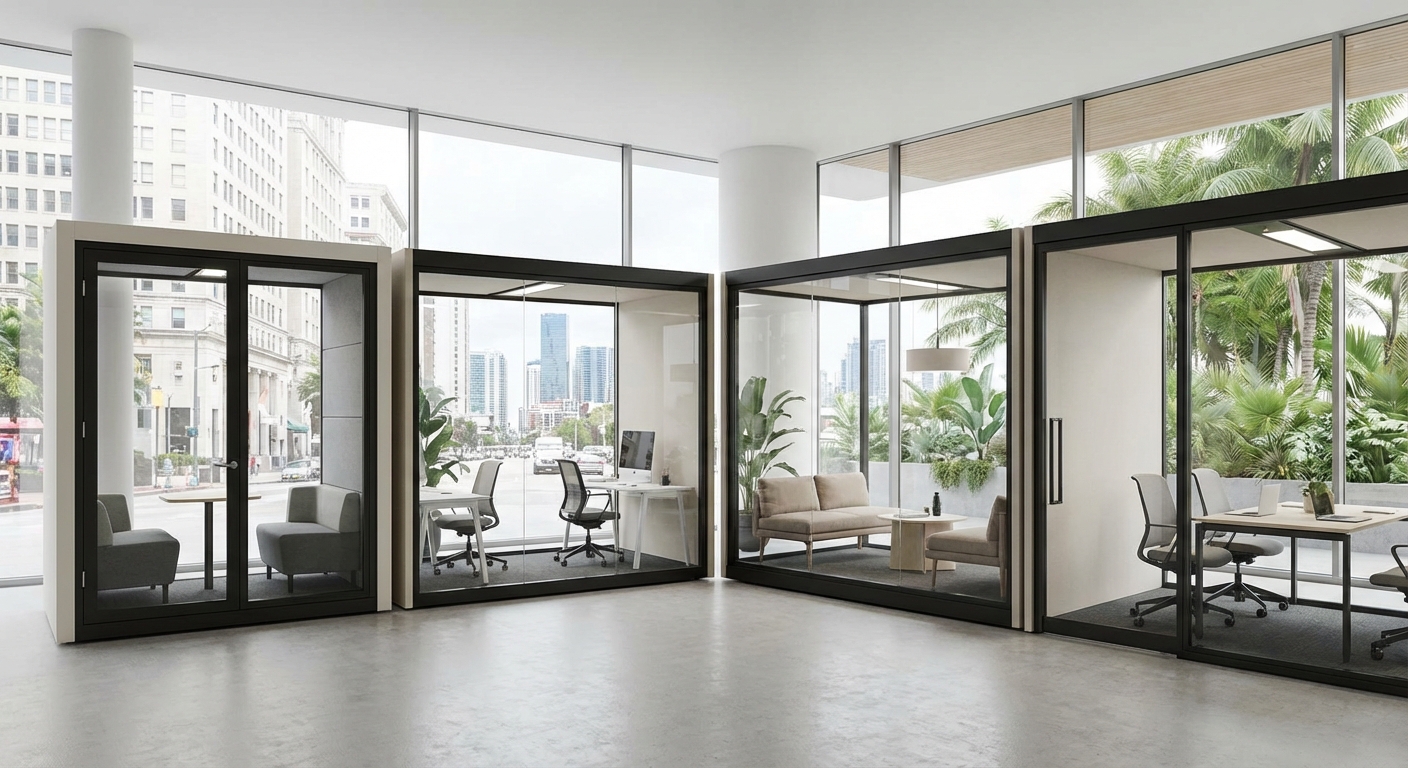
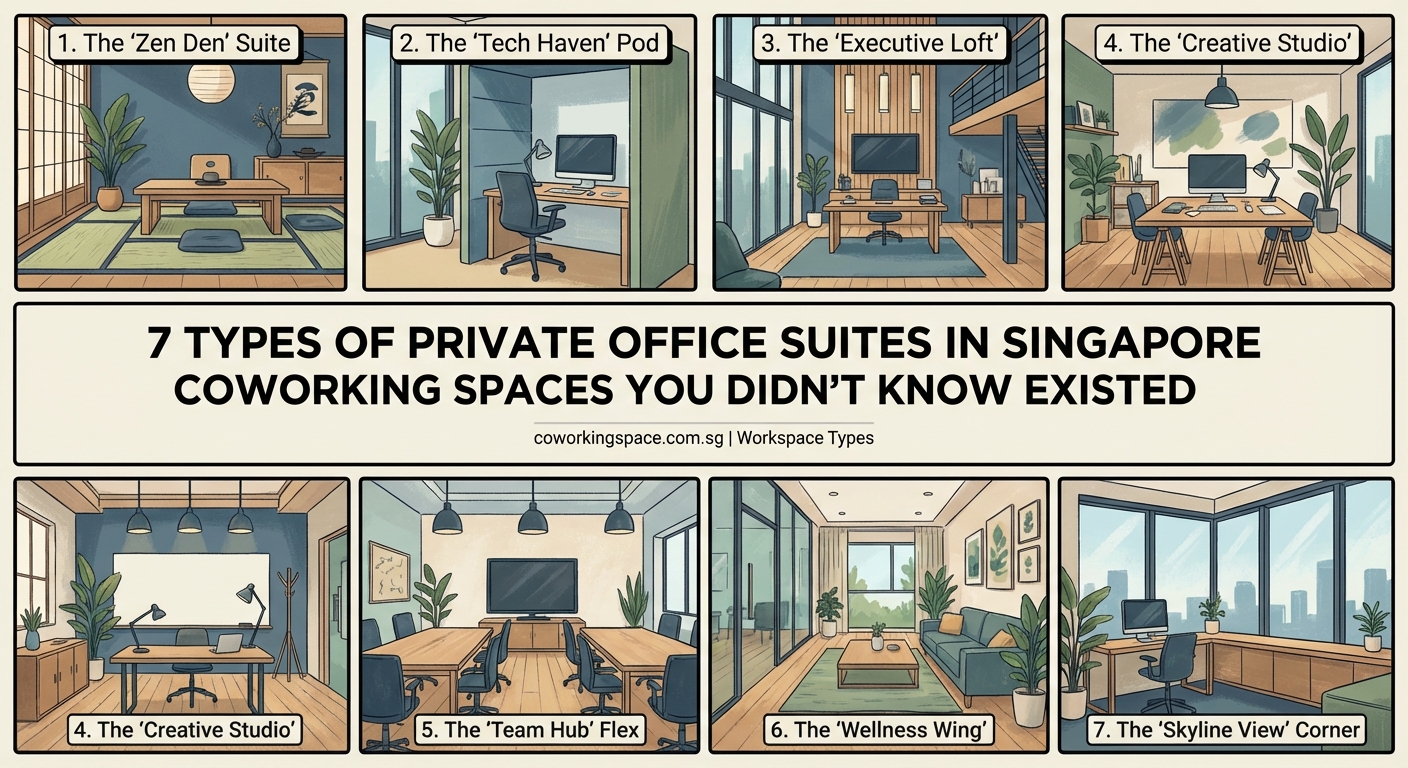
The three main membership types are hot desks, dedicated desks, and private offices. Hot desks mean you grab any available seat when you arrive. Dedicated desks give you the same spot every day. Private offices provide lockable rooms for individuals or teams.
Understanding coworking membership types helps you match your work habits with the right setup. A developer needing two monitors might hate hot desking. A consultant meeting clients three days weekly might love the flexibility.
Many spaces now offer hybrid memberships. You get a certain number of days per month rather than unlimited access. This works well if you split time between home, client sites, and the coworking space.
What you actually get at most Singapore coworking spaces
Basic amenities are fairly standard across the board. High-speed internet, printing access, meeting room credits, and coffee usually come with every membership.
The differences show up in details. Some spaces provide ergonomic chairs and standing desks as standard. Others charge extra or don’t offer them at all.
Here are typical inclusions:
- 24/7 building access or limited hours
- Mail handling and business address registration
- Kitchen facilities with free coffee and tea
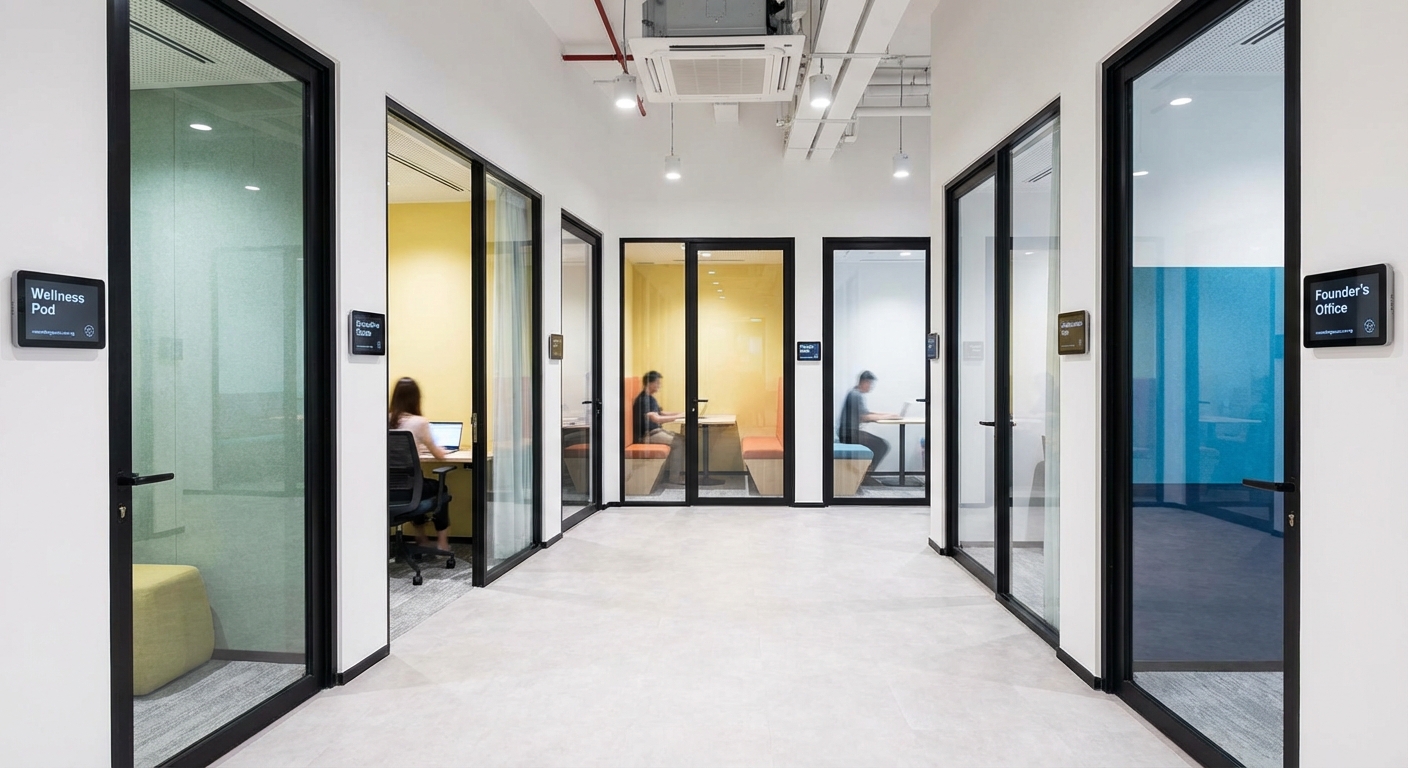
- Phone booths for private calls
- Printing and scanning credits per month
- Community events and networking sessions
- Locker or storage space
Meeting room booking systems vary widely. Some spaces let you book through an app. Others require asking the community manager. Credit allocations range from two hours monthly to unlimited usage depending on your membership tier.
Premium spaces add extras like gyms, showers, nap rooms, and event spaces. Recreational facilities can justify higher monthly fees if you actually use them.
Price ranges across Singapore neighborhoods
Location dramatically affects pricing. A hot desk in the Central Business District costs 30 to 50 percent more than the same setup in suburban areas.
| Location Type | Hot Desk Monthly | Dedicated Desk Monthly | Private Office Monthly |
|---|---|---|---|
| CBD (Raffles Place, Marina Bay) | $350-$500 | $550-$800 | $1,800-$3,500 |
| Orchard / River Valley | $300-$450 | $500-$700 | $1,500-$3,000 |
| Paya Lebar / East Coast | $250-$380 | $400-$600 | $1,200-$2,200 |
| Suburban (Woodlands, Jurong) | $200-$320 | $350-$500 | $900-$1,800 |
Budget-friendly spaces under $300 monthly exist but often have trade-offs. They might be further from MRT stations, have fewer amenities, or operate in older buildings.
Raffles Place locations attract finance professionals and corporate clients. Tiong Bahru spaces tend toward creative industries with more relaxed vibes.
Day passes typically cost $30 to $80. If you need workspace more than five days monthly, a membership becomes more economical. Day pass versus monthly membership calculations help you find the break-even point.
How to choose the right space for your work style
Your personality and work requirements matter more than fancy amenities. An introvert might hate a chatty, event-heavy space. Someone building a network might thrive there.
Here’s a practical selection process:
- List your non-negotiable requirements (location, budget, desk type)
- Identify your work patterns (phone calls, video meetings, deep focus time)
- Visit three to five spaces during your typical work hours
- Test the actual workspace, not just the tour route
- Ask current members about their honest experiences
- Review the cancellation policy before committing
Common mistakes new members make include choosing based on Instagram aesthetics rather than functionality. A beautiful space that’s too loud for your work becomes useless fast.
Noise levels vary dramatically. Some spaces enforce quiet zones. Others embrace the energy of open collaboration. Visit during peak hours to assess the actual environment.
Test a space with a day pass or week trial before committing to a long-term membership. What looks perfect during a tour might feel completely different after eight hours of actual work.
Community and networking opportunities
The people around you can become clients, collaborators, or friends. Some professionals join coworking spaces specifically for networking rather than just desk access.
How spaces help freelancers build networks depends heavily on the operator’s approach. Some spaces host weekly events. Others take a hands-off approach and let connections form naturally.
Community events typically include:
- Monthly networking mixers
- Skill-sharing workshops
- Industry-specific meetups
- Lunch and learn sessions
- Social activities outside work hours
Whether introverts thrive in coworking communities depends on the space culture. Some operators respect that not everyone wants constant interaction. Others push heavy networking agendas that can feel exhausting.
Finding your tribe means looking for spaces where your industry or work style is common. A space full of tech startups feels different from one dominated by consultants and freelancers.
Productivity considerations in shared environments
Working alongside others can boost focus or destroy it, depending on the setup. The psychology behind coworking shows that visible productivity from others motivates many people to work harder.
Eliminating distractions in shared workspaces requires both personal discipline and choosing the right environment. Noise-canceling headphones help but can’t fix a fundamentally chaotic space.
Many professionals use time-blocking techniques to structure their coworking days. The physical separation from home makes it easier to maintain work boundaries.
Building a personal productivity system that travels between locations matters if you split time between multiple workspaces or work from home some days.
Membership flexibility and contract terms
Singapore coworking spaces offer varying commitment levels. Some require three-month minimums. Others allow true month-to-month flexibility.
Hidden costs often appear in contracts. Watch for:
- Setup or onboarding fees
- Deposit requirements (typically one to two months)
- Meeting room overage charges
- Printing costs beyond included credits
- Guest pass fees
- Early termination penalties
What to budget beyond membership fees includes lunch, coffee beyond the free offerings, and transportation costs.
Most spaces increase rates annually. Ask about renewal terms before signing. Some lock rates for 12 months. Others can adjust monthly.
Special considerations for different professional types
Freelancers, startup teams, and remote employees have different workspace needs.
Freelancers often need money-saving strategies since they pay membership costs directly. Part-time memberships or shared dedicated desks can cut costs significantly.
Startup teams should consider whether meeting room packages make sense versus renting private offices with included meeting space.
Remote employees working for overseas companies need reliable internet and quiet spaces for video calls. Essential tools for remote workers go beyond what the coworking space provides.
Digital nomads on short stays need flexible options without long commitments. Some spaces offer weekly rates that work better than paying daily.
Location-specific factors to consider
Singapore’s neighborhoods each have distinct characteristics that affect your coworking experience.
Paya Lebar Quarter’s emergence as a workspace hub offers newer buildings with modern facilities at prices below traditional CBD rates.
Spaces near Changi Airport work well for consultants and sales professionals who travel frequently. You can work a few hours before flights without commuting into the city.
Orchard Road locations charge premium rates but offer prestige addresses and easy access to retail and dining.
Transportation access matters more than you might think. A space 10 minutes from an MRT station becomes annoying in Singapore’s heat and rain. Direct bus routes or covered walkways add real value.
Virtual office alternatives
Not everyone needs physical workspace daily. Virtual office plans provide business addresses and mail handling without desk access.
This works well if you:
- Work primarily from home but need a professional address
- Meet clients at their offices or neutral locations
- Travel frequently and only need occasional workspace
- Want to test a location before committing to full membership
Many coworking operators offer virtual office packages starting around $100 monthly. You can typically add day pass credits or upgrade to full membership later.
Making your final decision
After researching options and visiting spaces, trust your gut feeling about where you’ll actually want to work every day.
Choosing your first coworking space involves balancing practical requirements with less tangible factors like community fit and overall vibe.
Start with a shorter commitment if possible. Three months gives you enough time to truly test whether a space works for your needs. Many operators offer discounts for longer commitments, but those savings disappear if you’re miserable and want to leave.
Whether coworking spaces are worth the cost depends entirely on your situation. Calculate not just the membership fee but the value of productivity gains, networking opportunities, and work-life separation.
Common mistakes that waste money and time
People often choose coworking spaces based on the wrong criteria. The most expensive space isn’t automatically the best. The closest location isn’t ideal if the environment doesn’t suit your work style.
Typical errors include:
- Signing long contracts without testing the space first
- Choosing based on amenities you’ll never use
- Ignoring community culture fit
- Underestimating how much meeting room access you need
- Picking a space too far from home or clients
Time-wasting habits specific to coworking environments develop easily. The social atmosphere that makes coworking appealing can also become a productivity drain if you’re not intentional about boundaries.
Industry trends shaping Singapore’s coworking landscape
The workspace market continues evolving rapidly. Industry-specific coworking spaces now cater to specific professions like lawyers, healthcare professionals, or creative agencies.
Major trends in 2026 include more flexible membership options, better technology integration, and increased focus on wellness amenities.
Whether traditional offices are becoming obsolete remains debatable, but large companies increasingly use coworking spaces for satellite teams and project-based work.
Fortune 500 companies adopting coworking validates the model and often improves facilities as operators compete for corporate contracts.
Finding workspace that actually works for you
The perfect coworking space doesn’t exist. The right space for your specific needs, budget, and work style does.
Visit multiple options. Ask current members honest questions. Test spaces during your actual work hours, not just during guided tours. Pay attention to details like bathroom cleanliness, temperature control, and how staff handle problems.
Your workspace affects your productivity, professional network, and daily happiness. Take time to choose thoughtfully. The few hours spent researching and visiting spaces will pay off through months of better work experiences.
Start with day passes at your top three choices. Work a full day at each. Notice what frustrates you and what makes work easier. Then make your decision based on real experience rather than marketing materials or online reviews alone.