
Looking for flexible office space in Singapore’s east? Paya Lebar has transformed from a sleepy neighborhood into one of the city’s most dynamic business districts. The area now hosts dozens of modern coworking spaces that cater to everyone from solo freelancers to growing startups.
Paya Lebar coworking spaces offer professionals excellent connectivity through three MRT lines, competitive pricing compared to CBD locations, and access to a growing ecosystem of businesses. The district combines modern facilities with convenient amenities, making it ideal for entrepreneurs seeking flexible workspace solutions without premium downtown costs. Most spaces provide hot desks from $200 monthly, dedicated desks from $350, and private offices starting at $800.
Why Paya Lebar Works for Modern Professionals
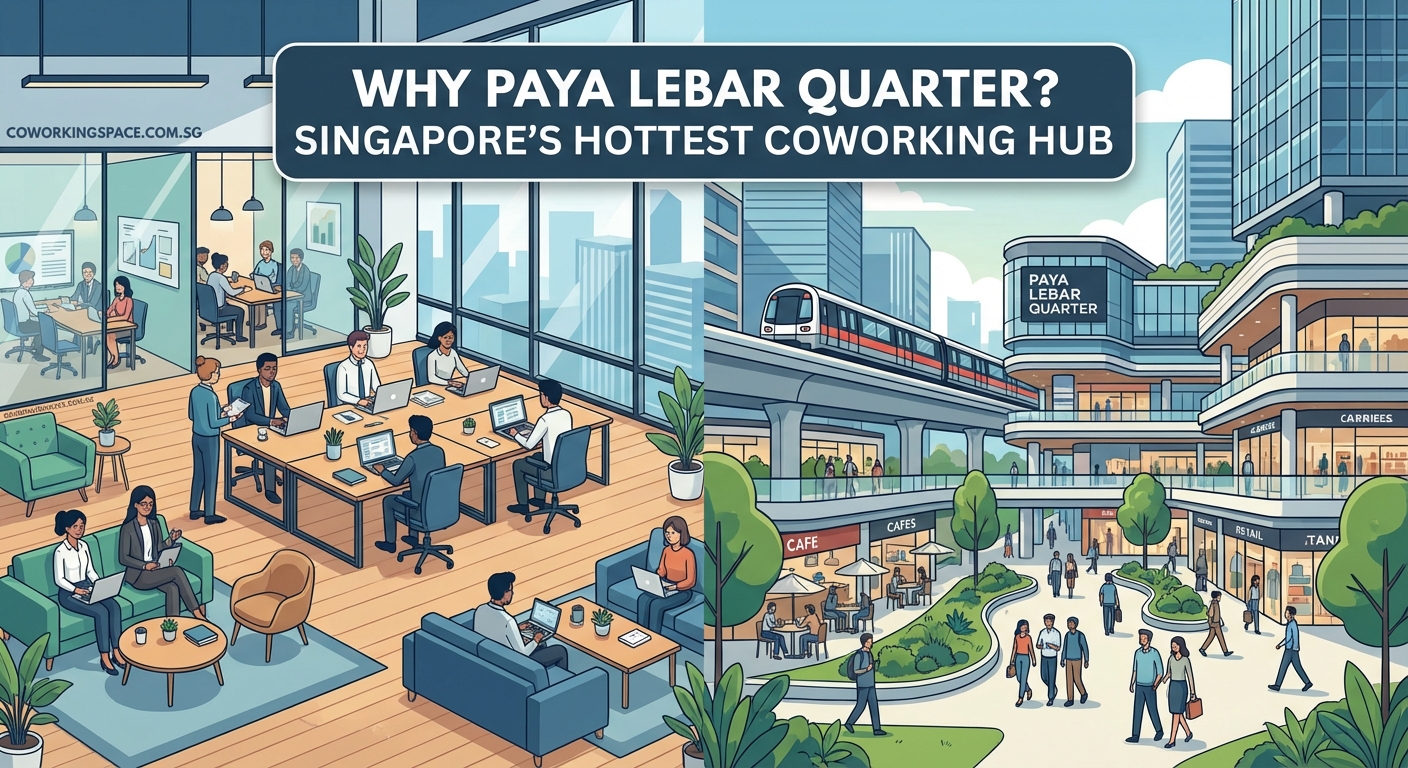
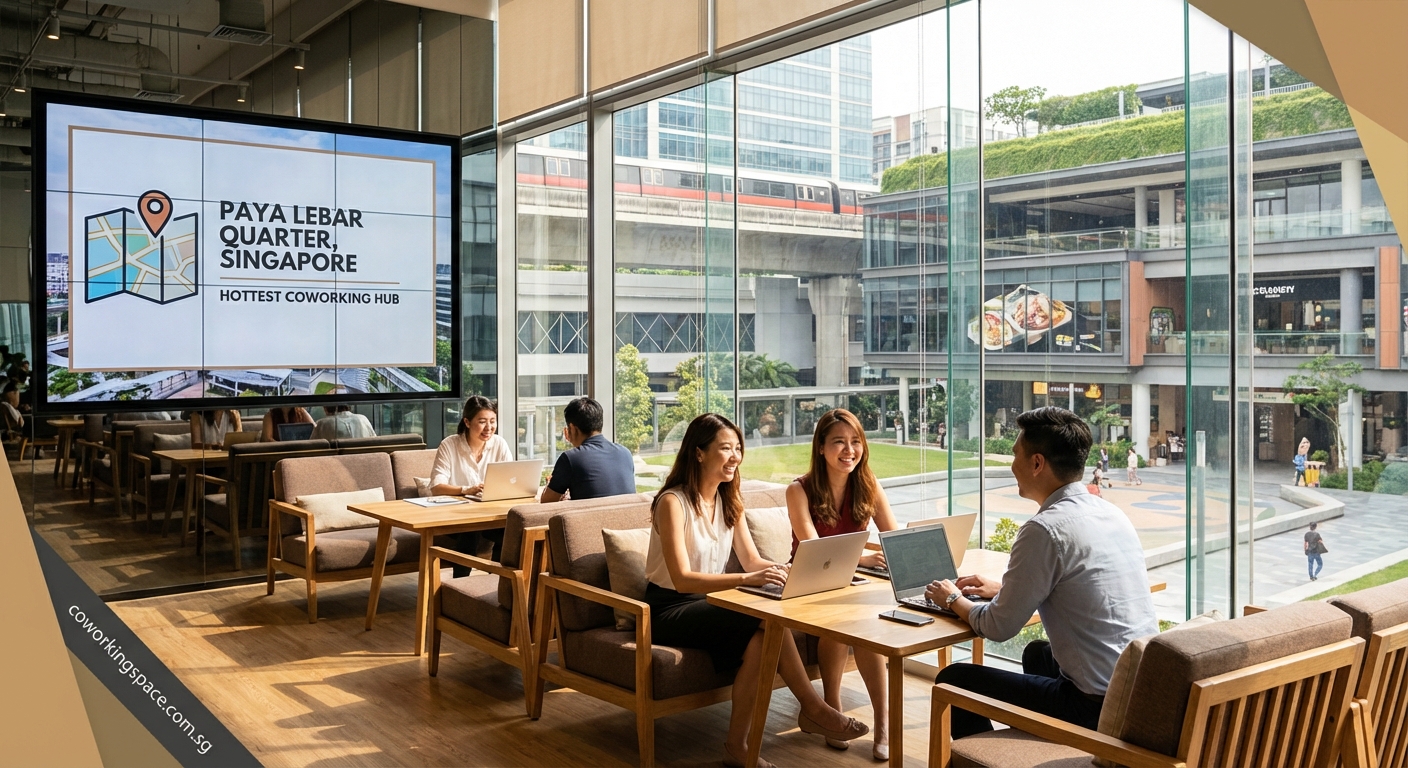
The Paya Lebar Quarter development changed everything for this neighborhood. What used to be an industrial area now features Grade A office buildings, retail spaces, and a thriving food scene.
Three MRT lines intersect here. Circle Line, East West Line, and the upcoming Cross Island Line make commuting straightforward from anywhere in Singapore.
The area attracts a different crowd than Raffles Place or Marina Bay. You’ll find more tech startups, creative agencies, and regional headquarters here. The vibe feels less formal but still professional.
Rental costs run 20 to 30 percent lower than CBD locations. That difference adds up over a year, especially for small teams watching their burn rate.
Types of Workspace Options Available
Paya Lebar coworking spaces come in several formats. Each serves different needs and budgets.
Hot desks give you access to shared tables in open areas. You grab any available spot when you arrive. This works well if you travel frequently or only need workspace a few days weekly. Expect to pay $200 to $350 per month.
Dedicated desks reserve a specific spot just for you. Your monitor, files, and coffee mug stay put overnight. Pricing typically ranges from $350 to $550 monthly. This option suits people who work from the space most days.
Private offices provide enclosed rooms for teams of two to twenty people. You get lockable doors, storage cabinets, and the ability to take calls without disturbing others. Costs start around $800 for a two-person office and scale up based on size.
Virtual offices offer a business address and mail handling without physical workspace. Some packages include a few hours of meeting room access monthly. These run $80 to $200 per month.
Understanding membership types helps you match workspace style to your actual work patterns.
Top Features to Look For
Not all coworking spaces deliver the same experience. Focus on these elements when comparing options.
Internet speed matters more than most people realize. Video calls, file uploads, and cloud software demand reliable connectivity. Ask about backup connections and whether they throttle bandwidth during peak hours. Quality spaces provide high-speed internet as standard.
Meeting rooms should be bookable through a simple system. Check whether your membership includes any free hours or if you pay per session. Some spaces charge $30 to $80 per hour for conference rooms.
Ergonomic furniture prevents the back pain and neck strain that plague desk workers. Test chairs before committing. Adjustable desks let you alternate between sitting and standing throughout the day.
Kitchen facilities vary widely. Basic spaces offer filtered water and a microwave. Better ones provide espresso machines, snacks, and sometimes catered lunches. This affects whether you’ll need to leave the building for meals.
The amenities that matter most depend on your work style and daily routine.
Comparing Costs Across the District
Pricing in Paya Lebar follows predictable patterns based on location and facilities.
Spaces inside Paya Lebar Quarter command premium rates. You pay for the prestigious address and newer buildings. A dedicated desk here costs $450 to $600 monthly.
Spaces along Paya Lebar Road or in nearby industrial buildings offer better value. The same dedicated desk runs $300 to $450. Buildings are older but still well-maintained.
Kallang and Geylang border Paya Lebar and provide even more budget-friendly options. You might walk 10 minutes from the MRT but save $100 monthly.
| Workspace Type | PLQ Premium | Mid-Range | Budget Areas |
|---|---|---|---|
| Hot Desk | $300-350 | $200-280 | $150-220 |
| Dedicated Desk | $450-600 | $350-450 | $280-380 |
| Private Office (2 pax) | $1200-1500 | $800-1100 | $650-900 |
| Meeting Room (per hour) | $60-80 | $40-60 | $30-50 |
Hidden costs deserve attention. Some spaces charge extra for printing, locker rental, or guest passes. Others bundle everything into the monthly fee. Read contracts carefully before signing.
Breaking down the true value requires looking beyond the headline membership price.
How to Choose Your Ideal Space
Finding the right coworking space takes more than comparing prices online. Follow this process to make an informed decision.
-
List your non-negotiables. Write down what you absolutely need versus what would be nice to have. Maybe you require 24/7 access or a private phone booth for client calls.
-
Book trial days at three to five spaces. Most operators offer day passes for $30 to $50. Spend a full workday at each location. Notice the noise level, temperature control, and how staff handle requests.
-
Test the commute during actual work hours. A space that seems convenient on Google Maps might involve crowded trains or long walks. Make the journey at 8:30 AM on a Tuesday to see what you’d face daily.
-
Talk to current members. Ask people working there about their experience. They’ll share details that never appear in marketing materials. Find out about internet reliability, cleaning standards, and how management handles problems.
-
Review the contract terms. Check the notice period for cancellation, whether rates increase annually, and what happens if you need to upgrade or downgrade your membership. Some spaces lock you in for 12 months while others allow monthly rolling contracts.
Choosing your first coworking space becomes easier when you know which questions to ask.
Common Mistakes People Make
New coworking members often stumble over the same issues. Avoid these pitfalls.
Picking based on photos alone. That Instagram-worthy lounge might be crowded and noisy during actual work hours. Beautiful spaces don’t always function well for focused work.
Ignoring the community fit. A space full of financial services professionals feels different from one packed with creative freelancers. Consider whether the member profile matches your industry and working style.
Underestimating space requirements. Teams often realize too late that a four-person office feels cramped with desks, filing cabinets, and a small meeting table. Visit spaces with furniture in place, not empty rooms.
Forgetting about growth plans. If you plan to hire two people in six months, confirm the space can accommodate expansion. Moving offices disrupts productivity and costs money.
Skipping the fine print on 24/7 access. Some memberships only cover business hours. After-hours access might cost extra or require a higher-tier plan.
Learning from common coworking mistakes saves time and frustration later.
The Networking Advantage
Coworking spaces create opportunities that traditional offices don’t. The value extends beyond desks and WiFi.
Regular community events bring members together. Spaces host workshops, lunch-and-learns, and happy hours. These gatherings help you meet potential collaborators, clients, or mentors.
Casual conversations in the kitchen lead to unexpected partnerships. The designer at the next desk might need exactly the service you offer. The startup founder by the coffee machine could become your next big client.
Not everyone wants constant social interaction. Some people prefer heads-down work without networking pressure. Introverts can still thrive in coworking environments by setting boundaries and choosing quieter spaces.
The key is matching your business niche with a space that attracts complementary professionals. A fintech startup benefits more from a space full of developers and investors than one dominated by yoga instructors and graphic designers.
“The best business relationships I’ve built came from random coffee machine conversations at my coworking space. You can’t force these connections, but the environment makes them possible.” – Sarah Chen, startup founder
Productivity Strategies for Shared Workspaces
Working in a shared environment requires different tactics than a private office. These strategies help you stay focused.
Establish a consistent routine. Arrive at the same time daily and follow a morning ritual. This trains your brain to shift into work mode. Many successful coworking members swear by morning routines that set the tone for productive days.
Use noise-canceling headphones. Even quiet spaces have ambient sound. Good headphones block distractions and signal to others that you’re concentrating. Some people play white noise or instrumental music.
Book meeting rooms for deep work. When you need absolute silence for complex tasks, reserve a small room for a few hours. This works better than hoping the open area stays quiet.
Take strategic breaks. Step outside every 90 minutes. Walk around the block or grab coffee from a nearby shop. Movement prevents the mental fatigue that comes from sitting in the same spot all day.
Set boundaries with chatty neighbors. Friendly people will interrupt you constantly if you let them. Politely mention you’re on deadline when you need uninterrupted time. Most people understand and respect the signal.
The psychology behind coworking explains why these environments can actually boost output despite the potential distractions.
What Makes Paya Lebar Different from Other Districts
Each Singapore neighborhood has its own character. Paya Lebar offers specific advantages.
Less corporate atmosphere. You won’t find the same concentration of banks and law firms as Raffles Place. The dress code skews more casual. People wear jeans and sneakers without feeling out of place.
Better food options. Paya Lebar Square, PLQ Mall, and surrounding streets provide dozens of lunch choices. You’ll find hawker centers, cafes, and restaurants serving every cuisine. Prices run lower than CBD areas too.
Easier parking. If you drive, parking spaces exist at reasonable rates. CBD locations charge premium prices and fill up by 9 AM. Several Paya Lebar buildings offer member parking at $200 to $300 monthly.
Growing ecosystem. More companies relocate here each quarter. Tech firms, regional offices, and creative agencies cluster in the area. This concentration creates opportunities for collaboration and business development.
Future development plans. The government designated Paya Lebar as a growth area. New commercial projects will add more Grade A office space and amenities over the next five years. Getting established now positions you well for the district’s continued evolution.
Comparing Paya Lebar to other Singapore locations helps clarify whether the area matches your needs.
Membership Flexibility and Contracts
Understanding contract terms prevents unpleasant surprises down the road.
Most Paya Lebar coworking spaces offer month-to-month memberships after an initial commitment period. The first contract typically runs three to six months. After that, you can cancel with 30 days notice.
Some premium spaces require 12-month commitments for dedicated desks or private offices. They justify this with lower monthly rates. Calculate whether the discount outweighs the loss of flexibility.
Upgrade paths matter if you anticipate growth. Good operators let you move from hot desk to dedicated desk to private office without penalties. They apply your deposit to the new membership level.
Downgrade policies vary more. Some spaces allow it freely. Others charge a fee or require you to wait until your current term ends.
Trial periods give you an escape hatch. A few operators offer 14-day satisfaction guarantees. If the space doesn’t work out, you get a full refund. This removes risk from the decision.
Hybrid workspace memberships provide another option for people who split time between locations.
Tech and Infrastructure Standards
Modern coworking spaces compete on technology infrastructure. Here’s what separates good from mediocre.
Fiber internet with redundancy. Top spaces run dual fiber connections from different providers. If one fails, the backup kicks in automatically. Download speeds should hit 500 Mbps minimum. Upload speeds matter equally for video calls and cloud backups.
Mesh WiFi networks. Single router setups create dead zones in larger spaces. Mesh systems blanket the entire floor with strong signal. You shouldn’t lose connection when moving between rooms.
Power outlets everywhere. Sounds basic but some spaces skimp here. Every desk needs at least two outlets. Meeting rooms should have power strips along the table.
Printing and scanning infrastructure. Commercial-grade multifunction printers handle high volumes without jamming. Cloud printing lets you send documents from your laptop without installing drivers. Office equipment access varies significantly between operators.
Video conferencing equipment. Meeting rooms need large displays, quality cameras, and speakerphones designed for group calls. Cheap consumer webcams don’t cut it for client presentations.
Security systems. Access cards, security cameras, and after-hours protocols protect your equipment and data. Ask how they handle visitors and deliveries.
Maximizing Your Membership Value
You’re paying for more than just a desk. Smart members extract maximum value from their coworking investment.
-
Use all included meeting room hours. Don’t let these expire unused. Book rooms for solo deep work sessions if you don’t have client meetings scheduled.
-
Attend community events regularly. Even if networking feels uncomfortable, show up to three events before deciding they’re not for you. Relationships take time to develop.
-
Take advantage of member perks. Many spaces partner with local businesses for discounts. You might get reduced rates at nearby gyms, restaurants, or professional services.
-
Utilize business address services. If your membership includes mail handling, register this address with clients and vendors. It looks more professional than a residential address.
-
Book guest passes strategically. Most memberships include a few free guest days monthly. Use these when collaborators visit or when interviewing job candidates.
-
Access resources and equipment. Spaces often provide things like label makers, laminators, binding machines, and presentation supplies. Ask what’s available before buying your own.
The hidden ROI of coworking comes from leveraging all available resources, not just showing up to work at a desk.
Special Considerations for Different Work Styles
Your work style should influence which Paya Lebar coworking space you choose.
Frequent travelers benefit from spaces with flexible access policies. Some memberships let you pause billing for extended trips. Others offer reciprocal access to partner locations in other cities. Digital nomads need different features than local professionals.
Deep focus workers need quiet zones or private offices. Open plan spaces with lots of foot traffic and conversation won’t work. Look for spaces that enforce quiet hours or designate specific areas for heads-down work. Strategies for eliminating distractions become essential.
Client-facing professionals require polished meeting spaces. The reception area, meeting rooms, and overall aesthetic matter more if clients visit regularly. A casual startup vibe might not match your brand image.
Team leaders with hybrid workers need flexibility for their staff. Some days everyone comes in, other days just a few people show up. Spaces with hybrid team solutions accommodate fluctuating headcount better than fixed private offices.
Budget-conscious freelancers should focus on spaces that bundle everything into one price. Nickel-and-diming for printing, coffee, and meeting rooms adds up fast. All-inclusive pricing provides better value despite higher headline rates.
Future Trends Shaping Paya Lebar Workspaces
The coworking industry keeps evolving. Several trends will reshape Paya Lebar spaces over the next few years.
Industry-specific spaces are gaining traction. Instead of mixing everyone together, some operators create spaces designed for specific sectors. Tech-focused spaces offer better internet and more meeting rooms. Creative spaces prioritize natural light and inspiration. Niche workspaces attract members with aligned needs.
AI and automation are transforming operations. Smart booking systems learn your preferences and suggest meeting times. Automated check-in speeds up entry. Sensors optimize temperature and lighting based on occupancy patterns. These technology improvements enhance member experience.
Wellness integration moves beyond standing desks. Newer spaces include meditation rooms, fitness areas, and even nap pods. Operators recognize that productivity depends on physical and mental health.
Sustainability features matter more to members. Solar panels, water recycling, and green building certifications become selling points. Younger professionals especially care about environmental impact.
Flexible contract terms will become standard. The pandemic taught everyone that rigid long-term leases create problems. Expect more month-to-month options and easier upgrade paths.
Making Your Final Decision
You’ve researched options, visited spaces, and compared prices. Now it’s time to commit.
Start with a short-term membership if possible. Three months gives you enough time to truly test a space without major financial risk. Some aspects only become apparent after the novelty wears off.
Trust your gut feeling about the community. You’ll spend significant time here. If something feels off during your trial day, that feeling probably won’t disappear. The space might look perfect on paper but still not fit your personality.
Consider proximity to other obligations. A space near your kid’s school or your gym makes life easier. Saving 15 minutes on your commute adds up to hours each week.
Don’t overthink it. No space will be perfect. Choose one that meets your core requirements and commit for a few months. You can always switch later if it doesn’t work out. Analysis paralysis prevents you from getting started.
Document what matters to you now. Your needs will change as your business grows. The solo freelancer who needed just a hot desk might run a five-person team in two years. Choose spaces that can scale with you.
Your Next Steps in Paya Lebar
Paya Lebar coworking spaces give you professional workspace without the overhead of traditional offices. The district offers excellent connectivity, competitive pricing, and a growing business community.
Start by booking day passes at three different spaces. Experience each environment firsthand. Talk to members. Test the commute. Then commit to a membership that matches your budget and work style. The right space will feel like a natural extension of your business, not just a place to park your laptop.
Remember that your first choice doesn’t have to be your forever choice. The flexibility of coworking means you can adjust as your needs evolve. What matters most is getting started and building momentum for your work.