
Landing in Singapore as a digital nomad can feel like stepping into a city that moves at light speed. Everyone seems connected, every coffee shop buzzes with deal-making energy, and you’re sitting there wondering how to break into the conversation. The good news? Singapore’s coworking community offers one of the most welcoming environments for remote workers looking to build meaningful professional relationships without the awkward small talk that goes nowhere.
Networking for digital nomads Singapore starts with choosing the right coworking space, attending structured community events, and building genuine relationships through consistent presence. Success comes from balancing professional goals with authentic connection, using both in-person interactions and digital tools to maintain relationships. The most effective nomads treat networking as a long-term investment rather than a transactional exchange.
Why Singapore’s Coworking Scene Works Differently
Singapore’s coworking culture operates on a unique frequency compared to other Southeast Asian hubs. The city blends Western business formality with Asian relationship-building practices, creating a networking environment that rewards preparation and genuine interest over casual approaches.
Most spaces host between 50 and 200 members at any given time. This density creates natural opportunities for connection without overwhelming newcomers. Unlike Bangkok or Bali where digital nomad communities lean heavily social, Singapore’s scene attracts serious professionals building sustainable businesses.
The government’s push for innovation means you’ll meet startup founders, venture capitalists, and corporate innovators all working from the same spaces. This mix rarely happens elsewhere in Southeast Asia.
Choosing Your Networking Base
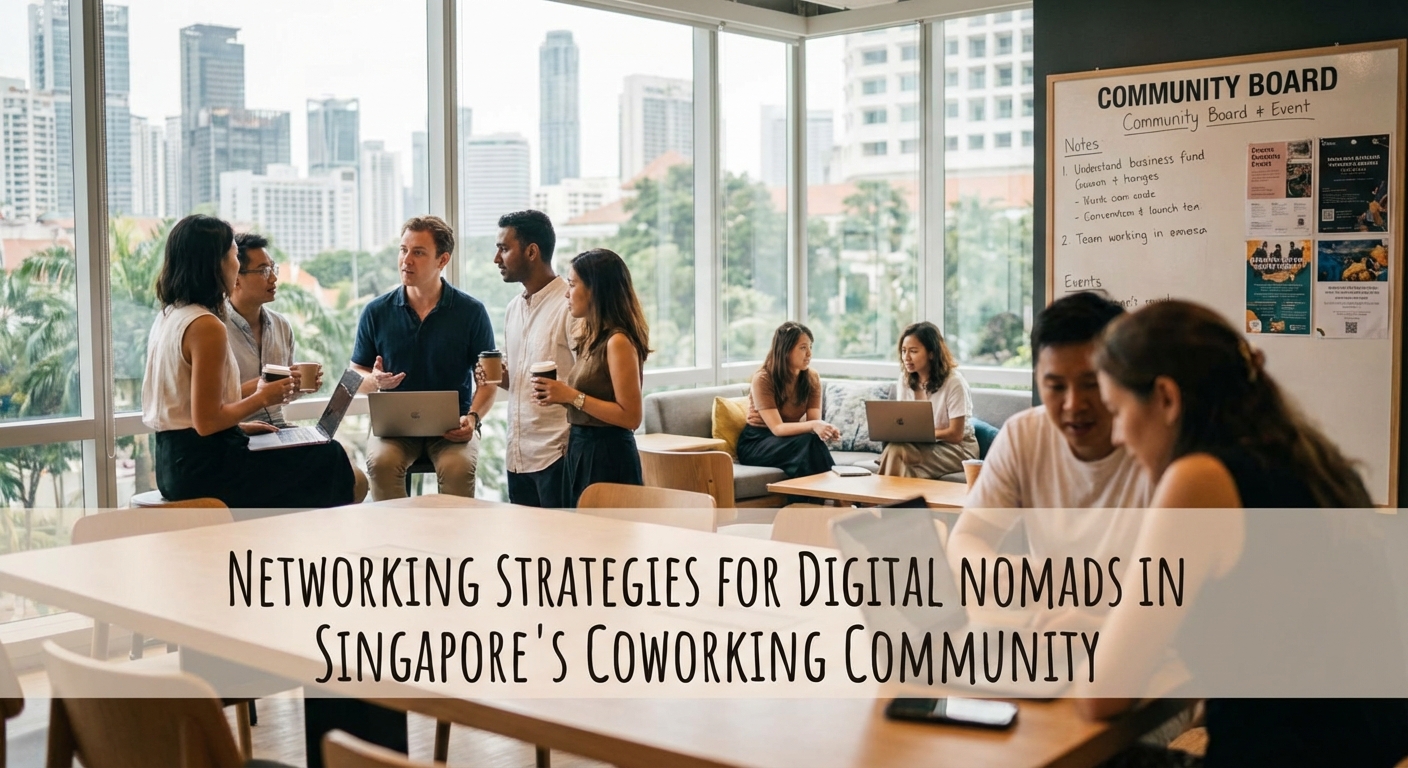
Your choice of coworking space determines 80% of your networking success in Singapore. Different neighborhoods attract different professional demographics, and matching your goals to the right community makes every interaction more valuable.
How to choose your first coworking space in Singapore: a beginner’s guide covers the practical details, but here’s what matters for networking specifically.
Financial district spaces in Raffles Place draw banking professionals, legal consultants, and established entrepreneurs. The conversations tend toward deals, funding, and partnerships. Tech-focused spaces in Paya Lebar attract developers, product managers, and startup teams. Creative hubs in Tiong Bahru pull in designers, content creators, and marketing specialists.
Visit three to five spaces before committing to a membership. Spend a full day at each using a day pass. Notice who talks to whom during lunch. Check which spaces have active Slack channels or WhatsApp groups. Ask the community manager about member demographics and typical industries represented.
The best spaces for networking host at least two structured events per week. These might include pitch nights, skill-sharing sessions, or industry-specific meetups. Structured events give you permission to approach strangers with purpose.
Your First Week Strategy
The first seven days set your networking trajectory for months. Most digital nomads waste this window by keeping their heads down or only talking to other obvious nomads.
Here’s a better approach:
- Introduce yourself to the community manager on day one and ask for three member introductions
- Attend every scheduled event during your first week, even if the topic seems tangential to your work
- Establish a consistent desk location so regulars start recognizing your face
- Join the space’s digital communication channels and introduce yourself with specific skills you offer
- Schedule coffee chats with five members before your first week ends
That last point deserves emphasis. Don’t wait for organic conversations to develop. Most professionals in Singapore appreciate direct, purposeful outreach. Send a message like: “I noticed you work in fintech. I’m building tools for remote teams and would love to hear your perspective on payment challenges. Coffee this week?”
Specificity beats generic networking requests every time.
Making Events Work for You
5 community events that make coworking spaces worth the investment explores the broader value proposition, but let’s focus on tactical networking moves.
Arrive 15 minutes early to events. The pre-event window offers the best networking opportunities because people haven’t formed conversation clusters yet. Position yourself near the entrance and greet arrivals naturally.
During panel discussions or presentations, take notes on specific questions you want to ask speakers afterward. Detailed questions based on their actual content signal genuine interest and create memorable interactions.
Skip the post-event rush to talk with speakers. Instead, connect on LinkedIn within 24 hours with a personalized message referencing something specific they said. Follow up three days later with a relevant article or resource. This two-touch approach builds relationships without seeming desperate.
For workshop-style events, volunteer to share your screen or participate in demonstrations. Visibility creates conversation starters that persist for weeks.
Building Relationships Beyond Surface Level
Singapore’s professional culture values substance over style. Flashy self-promotion falls flat. Consistent, helpful presence wins.
The most connected digital nomads in Singapore’s coworking scene share three habits:
- They offer specific help before asking for anything
- They follow through on small commitments religiously
- They introduce people to each other regularly
That third habit matters most. Becoming a connector accelerates your network growth exponentially. When you meet someone working on a problem you can’t solve but know someone who can, make the introduction immediately. Send a group message: “Sarah, meet Tom. Tom’s building a payment system for Southeast Asian freelancers. Sarah just launched a similar tool in Vietnam. I thought you two should connect.”
Most people hoard connections. Generous connectors become indispensable.
Track your networking activities in a simple spreadsheet. Log names, companies, conversation topics, and follow-up actions. Review this weekly and reach out to people you haven’t contacted in 30 days. Relationships die from neglect, not from too much attention.
Navigating Cultural Expectations
Singapore’s multicultural environment means networking norms vary by individual background. Some general guidelines help avoid awkward moments.
Business cards still matter here more than in most Western countries. Order cards before you arrive and present them with both hands during introductions. This small gesture shows cultural awareness and respect.
Titles carry weight in Singapore’s business culture. Use professional titles (Dr., Professor, Director) until someone explicitly tells you to use their first name. This formality might feel stiff initially, but it prevents offense and establishes proper respect.
Group meals follow specific etiquette around payment. The most senior person or meeting initiator typically covers the bill. If you’re junior or new, don’t fight too hard to pay. Instead, say “Thank you, I’ll get the next one” and follow through.
Religious and dietary considerations matter during food-based networking. Always check dietary restrictions before suggesting restaurants. Singapore’s diversity means your networking circle likely includes Muslims, Hindus, vegetarians, and people with specific food requirements.
Leveraging Digital Tools
Physical presence matters, but digital tools extend your networking reach across Singapore’s busy professional landscape.
LinkedIn functions as the primary professional network in Singapore. Optimize your profile with a clear headline stating what you do and who you help. Singapore professionals use LinkedIn actively for business development, so your profile needs to communicate value immediately.
Join Singapore-specific LinkedIn groups related to your industry. Participate in discussions weekly by commenting thoughtfully on posts. This visibility leads to connection requests from people you haven’t met physically.
WhatsApp serves as the primary communication tool for most Singapore professionals. After meeting someone, ask if they prefer email or WhatsApp for follow-up. Most will choose WhatsApp. Create broadcast lists for different networking segments (coworking members, industry peers, potential clients) and share valuable content monthly.
Telegram hosts numerous Singapore digital nomad and entrepreneur groups. Search for “Singapore remote workers,” “Singapore startup community,” or industry-specific groups. Participate regularly but avoid spam-like self-promotion.
7 essential apps and tools every digital nomad needs in Singapore covers the broader toolkit, but for networking specifically, focus on Calendly for easy meeting scheduling and Notion for tracking relationship details.
Handling the Introvert Challenge
Do introverts thrive in coworking communities? A realistic look at networking expectations addresses this fully, but here’s the condensed version for Singapore specifically.
Singapore’s coworking spaces accommodate different networking styles better than you might expect. Many spaces offer quiet zones where conversation is discouraged, allowing you to work without social pressure while still being physically present in the community.
Set networking boundaries that work for your energy levels. Commit to attending two events per week and having three meaningful conversations. That’s enough to build a solid network without burning out.
Use the “networking office hours” approach. Designate specific times when you’re open to conversation (lunch, coffee breaks) and protect your deep work time otherwise. Wear headphones during focus periods to signal unavailability without seeming antisocial.
“The best networkers I know in Singapore aren’t the loudest people in the room. They’re the ones who show up consistently, listen carefully, and follow through on what they promise. Reliability beats charisma every time.” — Community Manager at a major Singapore coworking space
Common Networking Mistakes to Avoid
| Mistake | Why It Fails | Better Approach |
|---|---|---|
| Pitching your services in first conversations | Creates transactional dynamic | Ask about their work first, offer help |
| Only attending events related to your industry | Limits network diversity | Attend varied events, cross-pollination creates opportunities |
| Collecting contacts without follow-up | Connections decay rapidly | Message within 24 hours with specific reference |
| Staying exclusively with other nomads | Limits access to local opportunities | Actively seek local professionals and entrepreneurs |
| Treating networking as separate from work | Creates artificial pressure | Integrate naturally through project collaboration |
The biggest mistake digital nomads make in Singapore involves treating the city as a short-term stop. Even if you’re only staying three months, approach networking as if you’re building long-term relationships. Singapore’s professional community is surprisingly small and interconnected. Your reputation follows you.
Creating Your Networking Routine
Successful networking for digital nomads Singapore requires consistent habits, not occasional bursts of activity.
Build a weekly routine that includes:
- Two coworking space visits minimum (even if you work from home sometimes)
- One structured networking event
- Three coffee chats or lunch meetings
- Five meaningful LinkedIn interactions (comments, messages, or content shares)
- One introduction connecting two people in your network
This routine takes roughly five hours per week, a reasonable investment that compounds over time.
Track your networking ROI by logging opportunities that emerged from connections. After three months, review which activities generated the most valuable relationships and double down on those approaches.
Finding your tribe: matching your business niche with the right coworking community helps refine your targeting as you learn which communities serve your goals best.
Maintaining Relationships Across Time Zones
One unique challenge for digital nomads involves maintaining Singapore connections after moving to your next destination. Time zone differences complicate this, but thoughtful systems help.
Before leaving Singapore, schedule quarterly check-in calls with your strongest connections. Put these in your calendar immediately. Most relationships die from scheduling laziness, not lack of interest.
Share valuable content monthly with your Singapore network even after you leave. This might include industry articles, job opportunities, or relevant introductions. Consistent value-add keeps you memorable.
Return to Singapore annually if possible. The city’s central location makes it a natural hub for digital nomads circling Southeast Asia. Plan your returns around major industry events to maximize reconnection opportunities.
Consider building a sustainable digital nomad career while based in Singapore if the networking opportunities prove particularly valuable for your business model.
Converting Connections into Collaborations
The ultimate networking goal involves transforming casual connections into meaningful professional collaborations. This transition requires patience and strategic thinking.
Start with low-stakes collaboration opportunities. Offer to beta test someone’s product, provide feedback on their website, or make an introduction to a potential client. These small collaborations build trust without major time commitments.
Propose joint projects only after establishing reliability through smaller interactions. The best collaborations emerge from genuine compatibility discovered through multiple touchpoints, not from forced partnerships with weak connections.
Document successful collaborations and ask for testimonials or case studies. These assets help attract future opportunities and strengthen your professional reputation within Singapore’s coworking community.
The hidden ROI of coworking: how community connections lead to business growth quantifies how these relationships translate into tangible business outcomes.
Measuring Your Networking Success
Unlike traditional metrics, networking success reveals itself gradually through opportunities that wouldn’t exist otherwise.
Evaluate your networking effectiveness quarterly using these indicators:
- Number of inbound opportunities or referrals received
- Quality of conversations (depth, mutual value exchange)
- Repeat interactions with the same people
- Introductions made between your connections
- Projects or collaborations initiated through network
If you’re not seeing at least two meaningful opportunities per quarter from your network, reassess your approach. You might need to attend different events, join a different coworking space, or improve your follow-up systems.
The most valuable networking metric involves reciprocity. Are people reaching out to you for help, introductions, or collaboration? If your networking feels one-directional, you’re probably taking more than you’re giving.
Making Every Interaction Count
Singapore’s fast pace means you can’t afford to waste networking opportunities on generic conversations. Every interaction should move relationships forward or provide clear value.
Prepare three specific conversation topics before attending events:
- A current challenge you’re working through (invites problem-solving)
- An interesting industry trend you’ve noticed (demonstrates thought leadership)
- A specific type of person you’d like to meet (enables targeted introductions)
These topics give people concrete ways to help you while showcasing your expertise and needs clearly.
End every meaningful conversation with a clear next step. This might be a LinkedIn connection, a scheduled coffee chat, or a specific resource you promised to share. Vague “let’s stay in touch” endings lead nowhere.
Building Your Network Before You Arrive
Smart digital nomads start networking before landing in Singapore. Join online communities, engage with Singapore-based professionals on LinkedIn, and research coworking spaces weeks before arrival.
Reach out to three to five people working in your industry in Singapore before you arrive. Mention your upcoming trip and ask if they’d be open to coffee during your first week. Most professionals appreciate the advance notice and respect the organized approach.
Best coworking spaces in Singapore for digital nomads on short-term stays helps you identify the right spaces to target for pre-arrival research.
Book your first week’s coworking day passes before arrival so you have guaranteed workspace and immediate access to communities. This removes decision fatigue during your crucial first days.
Growing Your Network Systematically
Professional networks don’t grow through random encounters. They expand through systematic relationship building over months.
Create a target connection list identifying 20 people you’d like to know in Singapore. Research their backgrounds, companies, and interests. Follow them on social media and engage with their content before attempting direct contact.
Use the “layer cake” approach to network growth. Start with your coworking space community (layer one), expand to industry-specific meetups (layer two), then branch into adjacent industries (layer three). Each layer should be 50 to 100 people before moving to the next.
Most digital nomads try to meet everyone immediately and end up with shallow connections. Building in layers creates depth and genuine relationships.
How coworking spaces help freelancers build professional networks in Singapore provides additional context on systematic network development.
When to Say No
Effective networking includes knowing which opportunities to decline. Not every connection deserves your time and energy.
Politely decline networking requests that:
- Come from people who haven’t done basic research about your work
- Involve vague “pick your brain” requests without specific topics
- Require significant time investment without clear mutual benefit
- Feel transactional or sales-focused from the start
Protecting your networking energy ensures you can show up fully for valuable connections. Quality always beats quantity in professional relationship building.
Your Network as Your Safety Net
For digital nomads, professional networks serve as safety nets during challenging periods. Job opportunities, client referrals, and collaboration offers often emerge through connections during slow business periods.
Remote workers’ guide to avoiding isolation through strategic coworking membership addresses the psychological benefits, but the practical safety net matters just as much.
Invest in your network consistently, especially during busy periods when you’re tempted to skip events. The relationships you build during good times support you during challenging ones.
Singapore’s professional community remembers people who maintain connections during success and struggle. Consistency builds reputation more effectively than any other networking strategy.
Making Singapore Your Networking Hub
Singapore’s strategic location and business-friendly environment make it an ideal base for digital nomads building regional or global networks. The connections you make here often extend across Southeast Asia and beyond.
Consider timing your Singapore stays around major events like Singapore FinTech Festival, Echelon, or industry-specific conferences. These gatherings concentrate networking opportunities into intense periods and attract international professionals you wouldn’t meet otherwise.
Is Singapore worth it for digital nomads? A complete cost-benefit analysis helps evaluate whether the city’s networking opportunities justify the higher costs compared to other Southeast Asian hubs.
The investment in Singapore networking often pays dividends for years. Many digital nomads report that connections made during short Singapore stays led to opportunities across multiple countries and time zones.
Turning Connections into Community
The difference between a network and a community lies in reciprocity and shared identity. Networks are transactional. Communities are supportive.
Work toward building community by organizing your own events or initiatives. This might involve starting a weekly accountability group, hosting skill-sharing sessions, or creating a Telegram group for digital nomads in your industry.
Leadership positions you as a connector and community builder, accelerating your networking success exponentially. People remember and value those who create gathering spaces for others.
5 community events that make coworking spaces worth the investment provides inspiration for event types that resonate in coworking environments.
Your Next Steps
Start your networking journey by choosing one coworking space for your first month in Singapore. Commit to attending every event they host during that month. Have coffee with five members. Join their digital channels and participate actively.
This focused approach beats trying to network across multiple spaces simultaneously. Depth creates opportunities. Breadth creates confusion.
After your first month, evaluate your results. Did you meet interesting people? Did conversations lead to opportunities? Do you feel connected to the community? Use these answers to refine your approach for month two.
Remember that networking for digital nomads Singapore works best when you approach it as relationship building rather than transactional connection collecting. The city rewards genuine interest, consistent presence, and generous collaboration over surface-level networking tactics.
Your professional network in Singapore can become one of your most valuable assets as a digital nomad. Invest the time and energy to build it properly, and you’ll find opportunities emerging that you never could have planned or predicted.