Getting work and living arrangements to sync seamlessly is becoming a top priority for young professionals and entrepreneurs in Singapore. The rise of co-living workspaces offers a fresh, community-oriented approach to balancing daily life and career. These hybrid spaces combine comfort, convenience, and collaboration, making them an appealing choice for those seeking flexibility. As the workspace landscape shifts in 2026, understanding the benefits and options available in Singapore can help you find a setup that truly fits your lifestyle.
Why co-living workspaces in Singapore are gaining momentum
Co-living workspaces in Singapore are redefining how we think about office environments and living spaces. These spaces are designed to offer a flexible lifestyle that promotes community, creativity, and productivity. Unlike traditional offices or long-term rentals, co-living setups provide an all-in-one solution where work and personal life blend smoothly.
In recent years, the demand for flexible, community-driven options has skyrocketed. The pandemic changed expectations around work, making remote work and hybrid models the norm. Singapore’s vibrant startup scene and young professional community are at the forefront of this shift. Co-living workspaces are not just about having a desk or a bed—they foster a sense of belonging, networking, and shared experiences. This approach aligns perfectly with the needs of entrepreneurs and freelancers looking for more than just a workspace.
Key features of co-living workspaces in Singapore
Community-centered design
Many co-living spaces host regular social events, workshops, and networking sessions. These activities help members build relationships that can lead to collaborations and new opportunities. For example, a space might organize weekly breakfast meetups or skill-sharing sessions, creating a vibrant ecosystem of innovators.
Flexibility and affordability
With short-term leases, day passes, or monthly memberships, members can choose plans that suit their schedules and budgets. This flexibility is especially appealing for digital nomads or those in transition. It also means avoiding the high costs and commitments of traditional office leases.
Integrated living and working amenities
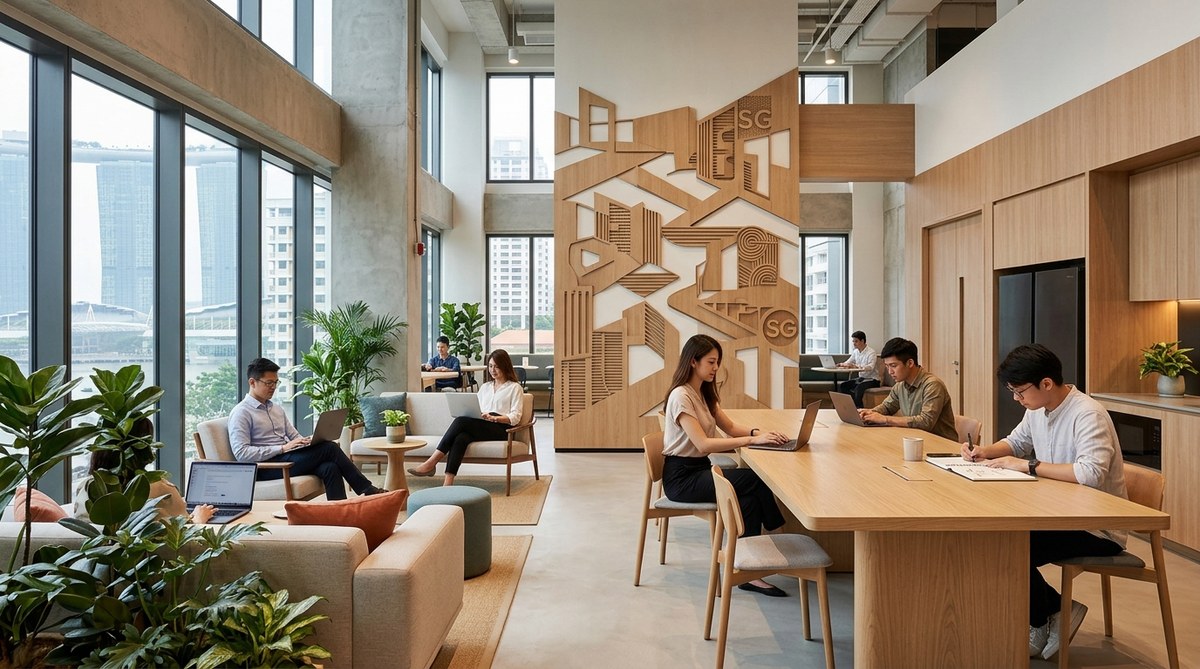
Co-living workspaces often include fully furnished private or shared rooms, high-speed internet, meeting rooms, communal kitchens, and wellness areas. Some spaces go further with recreational zones, outdoor terraces, or art studios—adding a creative touch that boosts well-being and productivity.
Location advantages
Most co-living spaces are situated in central or easily accessible districts like Raffles Place, Tanjong Pagar, or Paya Lebar. Proximity to public transportation, cafes, and cultural hotspots makes commuting and socializing convenient.
How to choose the right co-living workspace in Singapore
Picking a space that fits your work style and lifestyle involves a few practical steps:
-
Identify your needs: Determine if you prefer private rooms, dedicated desks, or open coworking areas. Think about amenities like meeting rooms, kitchen facilities, or wellness zones that support your daily routine.
-
Check location and accessibility: Opt for spaces near MRT stations or bus stops to save commuting time. Consider the neighborhood vibe—whether you want a bustling city center or a quieter district.
-
Review membership options and costs: Compare plans like day passes, monthly memberships, or longer-term packages. Ensure transparency around pricing and understand what is included.
-
Evaluate community and networking opportunities: Look into the events, workshops, or mentorship programs offered. Spaces that foster community can enhance your professional growth.
-
Assess amenities and safety protocols: Confirm that spaces have reliable internet, ergonomic furniture, and health safety measures aligned with current standards.
Practical process for joining a co-living workspace
Joining a co-living workspace in Singapore typically involves a few straightforward steps:
-
Research options online: Use platforms like coworkingspace.com.sg to find spaces suited to your preferences.
-
Schedule a visit or virtual tour: Experience the environment firsthand or via virtual walkthroughs to gauge the vibe and facilities.
-
Select a membership plan: Choose from hot desks, dedicated desks, or private rooms based on your needs.
-
Complete the application process: Fill out membership forms, provide identification, and agree to the terms.
-
Set up your workspace: Once onboarded, personalize your space and connect with the community through events or online forums.
Common pitfalls to avoid with co-living workspaces in Singapore
| Techniques | Mistakes to Watch Out For |
|---|---|
| Clarify membership terms upfront | Assuming all spaces have the same amenities |
| Visit spaces before committing | Overlooking community engagement opportunities |
| Compare multiple options | Ignoring safety and health protocols |
| Understand the full cost structure | Relying solely on photos or virtual tours |
| Review community rules and policies | Underestimating the importance of location |
“Choosing the right co-living workspace is about aligning your work style with community vibes and amenities. Take your time to research and visit several spaces.” — Expert advice from leading workspace consultants
Future trends in co-living workspaces in Singapore
In 2026, co-living workspaces are expected to become even more innovative and tailored. Here are some trends to look out for:
- Smart technology integration: Spaces will feature AI-powered booking systems, smart access controls, and personalized environment settings.
- Eco-friendly designs: Sustainability will be a key focus, with spaces adopting green certifications and energy-efficient systems.
- Niche communities: Specialized spaces for creatives, tech startups, or wellness-focused entrepreneurs will emerge, fostering targeted networking.
- Hybrid living and working models: More options will blend short-term stays with long-term memberships, accommodating travelers and locals alike.
- Wellness-centric features: Expect more gyms, meditation zones, and outdoor gardens to support mental health.
How to make the most of your co-living experience
- Engage actively: Attend events, join community forums, and collaborate with others.
- Set boundaries: Clearly define work hours to balance social interactions and personal time.
- Use amenities wisely: Take advantage of wellness zones, meeting spaces, and recreational facilities.
- Stay connected: Build relationships with fellow members for support and potential collaborations.
- Provide feedback: Share your experiences with management to help improve the space.
Final thoughts on co-living workspaces in Singapore
Co-living workspaces in Singapore stand out as a dynamic solution for young professionals and entrepreneurs seeking flexibility, community, and convenience. They align well with the evolving nature of work and living in 2026. By carefully selecting a space that matches your needs and actively engaging with the community, you can turn your workspace into a hub of inspiration and productivity. Take the time to research, visit, and ask questions—your ideal co-living environment is within reach.
Harnessing the power of flexible living and working arrangements
As the workspace landscape continues to evolve, embracing co-living workspaces in Singapore can unlock new opportunities. These spaces foster a vibrant community where creativity and collaboration flourish. Whether you’re launching a startup, freelancing, or simply seeking a change, the right co-living environment can support your ambitions. With thoughtful choices and active participation, you can turn your workspace into a catalyst for growth in 2026. Start exploring your options today and build a workspace that truly works for you.