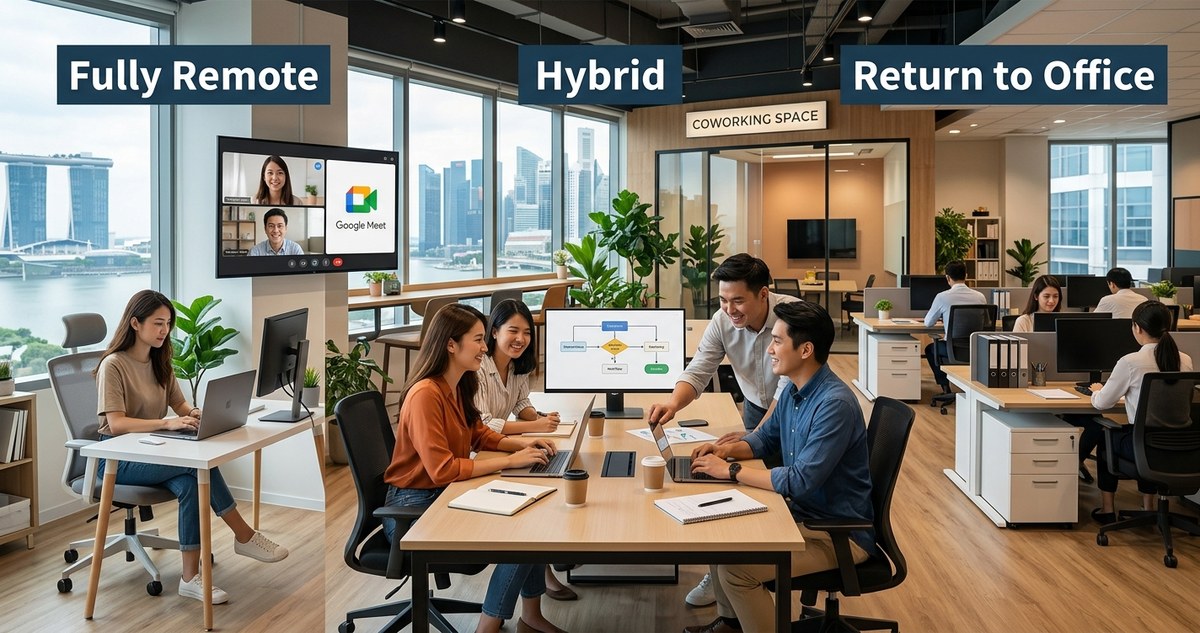
Getting the right work arrangement is a challenge many managers and HR professionals face today. Should your team go fully remote, adopt a hybrid model, or return to the office? Each option comes with its own set of benefits and hurdles. Making this decision involves understanding your team’s needs, your company culture, and the goals you want to achieve. This guide will help you weigh the options and decide which work setup aligns best with your organization’s future.
Choosing the right work model requires assessing your team’s preferences, operational needs, and company culture. A thoughtful approach balances flexibility with productivity, ensuring long-term success whether you go fully remote, hybrid, or return to the office.
Understanding the Options and Their Impacts
Deciding on a work model begins with understanding what each entails and how it affects your team’s performance and satisfaction.
Full Remote Work
Remote work means team members operate from locations outside the office—often from their homes or remote-friendly spaces. This model offers high flexibility and can boost employee satisfaction. Many employees value the ability to manage their own schedules and avoid commuting.
Advantages include:
– Greater flexibility for work-life balance
– Access to a broader talent pool
– Reduced office costs
Challenges involve:
– Maintaining team cohesion
– Managing productivity remotely
– Ensuring effective communication
Hybrid Model
Hybrid work blends in-office presence with remote work. Employees might come in a few days a week, with the rest working from home. This approach allows flexibility while retaining some benefits of face-to-face interaction.
Benefits include:
– Improved collaboration and team bonding
– Flexibility to accommodate employee preferences
– Better work-life balance
Potential issues are:
– Coordination complexity
– Unequal access to resources
– Difficulties in maintaining consistent culture
Returning to the Office
The traditional in-office setup emphasizes physical presence. Some organizations believe that in-person work fosters better teamwork, innovation, and company culture.
Pros are:
– Clear boundaries between work and personal life
– Easier supervision and mentorship
– Stronger social connections
Cons include:
– Commuting time and costs
– Less flexibility
– Risk of lower morale if employees prefer remote work
How To Decide Which Model Fits Best
Making the right choice involves a structured process. Here are practical steps to help you evaluate your options:
- Assess your company culture and goals. Think about whether collaboration, innovation, or flexibility is most important for your organization.
- Gather employee feedback. Conduct surveys or focus groups to understand your team’s preferences, concerns, and working habits.
- Evaluate operational needs. Consider the nature of your work. Do tasks require physical presence, specialized equipment, or can they be done remotely?
- Test and iterate. Pilot different models with small teams or departments and monitor their performance and engagement.
- Implement clear policies and support. Once a model is chosen, provide guidelines and resources to ensure smooth adoption.
Practical Process in Action
- Conduct anonymous surveys to gauge employee preferences.
- Map out which roles can work remotely without compromising productivity.
- Trial a hybrid schedule for a month, then review team feedback and performance metrics.
- Adjust policies based on insights and communicate changes transparently.
- Invest in tools and spaces that support your chosen model.
Techniques and Pitfalls in Transitioning
| Techniques | Mistakes to Avoid |
|---|---|
| Prioritize clear communication | Lack of transparency breeds confusion |
| Use collaborative tools effectively | Overloading teams with too many platforms |
| Set measurable goals | Focusing only on hours worked instead of outcomes |
| Foster digital culture | Ignoring team bonding opportunities |
| Provide ergonomic spaces or memberships | Assuming remote work reduces the need for physical spaces |
“The key to a successful transition is listening to your team and being flexible. The right mix of tools, policies, and culture keeps everyone engaged and productive.” – Industry expert
Bulleted Highlights for Quick Scanning
- Understand your organization’s core values and how they influence work style preferences.
- Use surveys or one-on-one interviews to gather honest feedback.
- Pilot new models to identify what works best before full implementation.
- Invest in reliable communication tools and flexible workspaces.
- Monitor productivity through results, not just hours or presence.
- Be ready to adapt as team needs or external circumstances change.
Making Hybrid or Remote Work a Long-term Strategy
Once you’ve chosen a model, consider how to embed it into your company’s DNA. Here are some tips:
- Create a culture of trust. Let employees manage their tasks without micromanagement.
- Encourage regular check-ins. Use video calls to stay connected.
- Design inclusive spaces. If returning to the office, ensure spaces foster collaboration and comfort.
- Support mental health. Recognize remote work can lead to isolation and offer resources.
- Invest in coworking memberships. Spaces like Singapore’s coworking hubs provide professional environments and networking opportunities for hybrid teams.
Why Coworking Spaces Matter in Hybrid Models
For hybrid teams, coworking spaces offer a balanced solution. They provide professional environments for days in the office and flexible options for remote days. These spaces support collaboration, networking, and productivity, making them an excellent complement to your work strategy.
Common Mistakes and How to Avoid Them
| Technique | Mistake | Corrective Action |
|---|---|---|
| Flexible scheduling | Overlooking individual preferences | Regularly review and adjust schedules |
| Communication | Assuming everyone is on the same page | Use multiple channels and confirm understanding |
| Space planning | Not considering team size or task needs | Tailor spaces for different activities |
| Performance metrics | Focusing on hours instead of results | Measure outputs and outcomes |
| Company culture | Neglecting team bonding | Organize virtual or in-person social events |
Final Thoughts: Crafting a Work Model That Works for You
Choosing between fully remote, hybrid, or returning to the office isn’t about finding a one-size-fits-all solution. It’s about understanding your unique team dynamics, operational needs, and long-term goals. Remember, flexibility is a strength. You can always refine your approach as your organization evolves.
If considering hybrid work, leveraging coworking memberships can support your strategy. These spaces in Singapore, for example, are designed to foster productivity, networking, and flexibility. They serve as the perfect middle ground, helping teams stay connected and efficient regardless of where they work.
Embracing the Future of Work with Confidence
Adapting your work model is an ongoing process. Stay attentive to your team’s feedback, monitor performance, and be willing to make adjustments. With a thoughtful approach, your organization can thrive in today’s dynamic work environment. Whether you decide to go fully remote, adopt a hybrid, or bring everyone back to the office, the key is aligning your choice with your company’s vision and your team’s well-being. Start with small steps, and gradually build a work culture that supports everyone’s success.