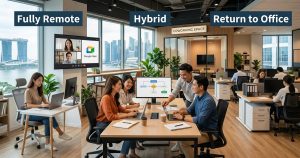
Managing a remote team spread across different time zones can feel like juggling. Clocks are out of sync, and coordinating schedules becomes a puzzle. Yet, with the right approach, Singapore coworking hubs provide an inspiring environment to bridge these gaps. These spaces foster connection, flexibility, and focus, making it easier for managers to lead diverse teams. Let’s dive into how you can leverage Singapore’s coworking scene to manage distributed teams seamlessly.
Managing remote teams across time zones requires clear communication, flexible scheduling, and the right tools. Singapore coworking hubs foster collaboration and focus, making it easier to bridge time differences and build strong team culture. Combining asynchronous work with shared routines ensures productivity while respecting individual schedules, especially when leveraging Singapore’s vibrant coworking environment.
Understanding the Challenges of Managing Across Time Zones
Managing teams across multiple time zones introduces unique hurdles. Communication often becomes delayed, and team members may feel disconnected or overwhelmed. These issues can impact project timelines, morale, and overall productivity.
Common problems include:
– Missed meetings due to conflicting schedules
– Reduced real-time interaction leading to misunderstandings
– Difficulties in maintaining team cohesion
– Work-life boundaries blurring for remote staff
Addressing these challenges requires intentional strategies tailored to distributed teams. Singapore coworking hubs serve as physical anchors where teams can gather, collaborate, and recharge, fostering a sense of community that virtual interactions alone can’t always deliver.
Practical Strategies for Managing Remote Teams Across Time Zones
Here are effective steps to keep your team aligned and motivated:
1. Map and Respect Time Zones
Start by understanding each team member’s local time. Use tools like world clocks or dedicated apps to visualize schedules and identify overlapping hours. Creating a shared time zone reference ensures everyone is aware of when colleagues are available.
2. Establish Core Overlap Hours
Designate specific hours when all team members are online simultaneously. These should be flexible and fair, rotating meeting times if needed. In Singapore coworking spaces, you can schedule in-person or virtual meetings during these windows to maximize engagement.
3. Leverage Asynchronous Communication
Not all interactions need to be live. Use emails, recorded video updates, or project management platforms to share information. Set clear response time expectations to prevent frustration and ensure continuity.
“Adopting asynchronous methods allows your team to work at their peak hours without feeling pressured to be online at the same time constantly,” advises remote work expert Sarah Johnson.
4. Build a Culture of Flexibility
Encourage team members to manage their schedules around their local time zones. Respect personal boundaries and avoid expecting immediate responses outside designated hours. Singapore coworking hubs support this by offering 24/7 access, so staff can work when it suits them best.
5. Regularly Schedule in-Person or Virtual Meetups
If possible, organize periodic team gatherings at Singapore coworking hubs. These sessions foster trust, facilitate informal bonding, and reinforce shared goals. Even occasional meetups can significantly boost team cohesion.
6. Document Processes Clearly
Create comprehensive guides and records for projects. Ensure everyone has access to the latest information and understands their responsibilities. This reduces miscommunication and keeps remote staff aligned.
Common Mistakes to Avoid When Managing Across Time Zones
| Mistake | Explanation | How to Prevent |
|---|---|---|
| Ignoring time zone differences | Assuming everyone’s availability is the same | Map and share team schedules openly |
| Relying solely on synchronous meetings | Forcing all team members to meet at inconvenient times | Use asynchronous updates and rotate meeting times |
| Overloading core hours | Expecting too much during overlap periods | Respect personal boundaries and avoid scheduling too many meetings |
| Neglecting cultural differences | Overlooking diverse work styles | Foster an inclusive environment with cultural awareness training |
| Lack of documentation | Relying on memory or informal notes | Maintain clear, accessible records for all processes |
How Singapore Coworking Spaces Enhance Remote Team Management
Singapore coworking hubs are more than just places to work. They act as physical anchors for teams, providing professional environments that foster productivity and connection. Here’s how they support managing remote teams:
- Flexible Access: Many coworking spaces operate 24/7, allowing team members to work when they are most productive without being constrained by traditional office hours.
- Community Events: Regular workshops, networking events, or casual gatherings help remote members feel part of a vibrant community.
- Meeting Facilities: Equipped with high-quality conference rooms, these spaces make virtual meetings feel more engaging and professional.
- Quiet Zones: Dedicated areas for focused work help team members concentrate during their local hours.
- Tech-Ready Environments: Reliable internet and modern equipment ensure smooth collaboration across time zones.
By utilizing these spaces for team check-ins or individual workdays, managers can foster a sense of unity and boost morale.
Creating a Cohesive Work Rhythm Across Borders
Developing a consistent routine helps your team stay connected and productive. Consider these approaches:
- Align on Goals and Deadlines: Clearly communicate project milestones and expectations, considering individual time zones.
- Rotate Meeting Times: Share the inconvenience of early or late meetings evenly among team members.
- Use Visual Boards: Maintain project dashboards that everyone can access and update asynchronously.
- Celebrate Wins: Recognize achievements collectively, whether through virtual shoutouts or in-person celebrations at Singapore coworking hubs.
- Set Personal Check-Ins: Regular one-on-one conversations build trust and address individual challenges.
Final Thoughts on Bridging Time Zones with Singapore Coworking Hubs
Managing remote teams across different time zones can be a rewarding experience with the right tools and environment. Singapore coworking spaces offer a strategic advantage, serving as hubs for connection, focus, and community. They help reduce the isolation of remote work, make scheduling easier, and promote a healthy work-life balance.
By combining flexible scheduling, intentional communication, and leveraging Singapore’s vibrant coworking scene, you can lead distributed teams with confidence and clarity. Remember, consistency and understanding are the keys. Your team will thank you for creating an environment where everyone can thrive, regardless of the clock.
Turning Time Zones Into Opportunities for Your Team
Encourage your team to view time zone differences as a chance to create a continuous workflow. With thoughtful planning and the support of Singapore coworking hubs, managing distributed teams becomes not just feasible but also enriching. Embrace flexibility, foster trust, and watch your team flourish across borders.