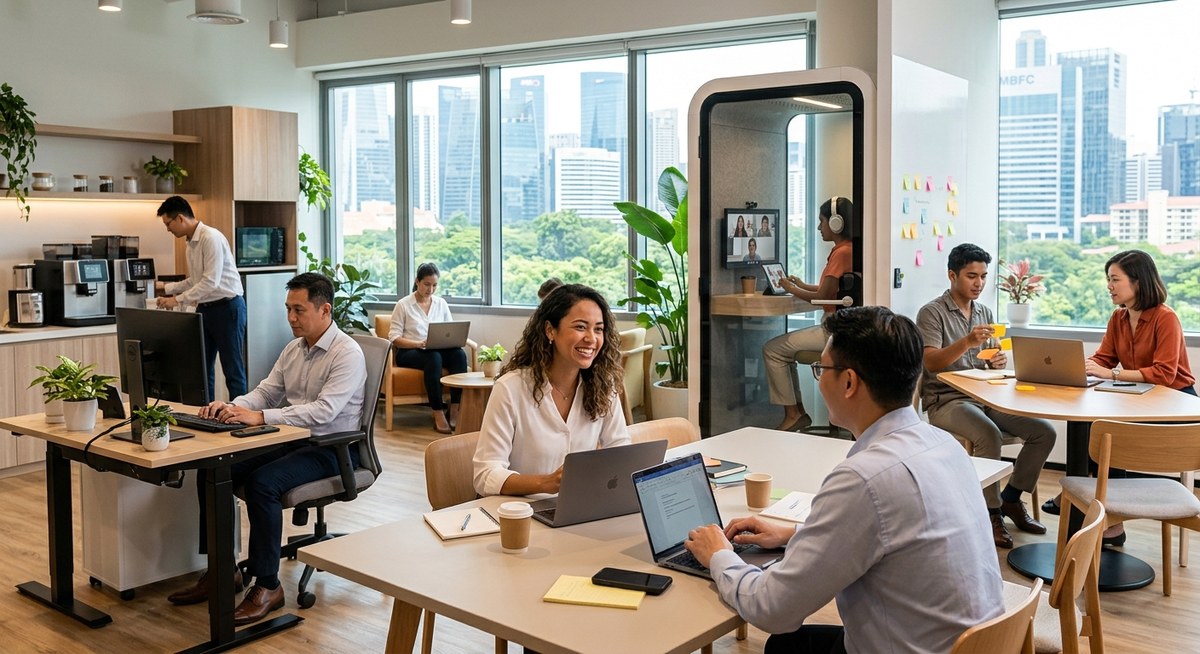
Hybrid work has become a staple for many organizations. It promises flexibility but also introduces new hurdles. Business managers, HR teams, and remote workers often find themselves navigating a maze of challenges. Coworking spaces have stepped in as versatile solutions to these issues, offering a way to maintain productivity, foster connection, and support flexible work styles. Understanding how coworking environments can solve common hybrid work issues is key to thriving in today’s workspace landscape.
Coworking spaces provide flexible, professional environments that help hybrid teams overcome logistical, communication, and engagement challenges. They foster collaboration, build community, and enhance productivity, making them a vital part of modern work strategies.
Overcoming hybrid work hurdles with coworking environments
Hybrid work blurs the lines between home and office. While it offers flexibility, it also creates issues like isolation, communication gaps, and inconsistent productivity. Coworking spaces are designed to address these problems directly, giving teams a dedicated space that complements remote work. They serve as hubs where teams can gather, collaborate, and stay connected, regardless of where they are based.
The common hybrid work challenges and how coworking spaces help
1. Maintaining team cohesion and collaboration
One of the biggest issues in hybrid setups is keeping team spirit alive. Remote workers can feel disconnected from their colleagues. Coworking spaces foster organic interactions and spontaneous conversations that rarely happen over video calls. They create an environment where collaboration flows naturally, helping teams stay aligned and innovative.
2. Managing logistical complexities
Scheduling meetings, booking rooms, and managing shared resources can become a headache. Coworking spaces simplify these processes. Many offer easy-to-use booking systems for conference rooms and shared amenities. This streamlined approach reduces administrative burdens and ensures everyone has access to what they need when they need it.
3. Creating a professional work environment
Home offices often lack the necessary infrastructure for focused work. Coworking spaces provide a professional setting with reliable high-speed internet, ergonomic furniture, and meeting facilities. This environment boosts focus and efficiency, especially for tasks requiring deep concentration.
4. Supporting work-life boundaries
It’s easy for hybrid workers to blur the lines between work and personal life. Coworking spaces offer a dedicated workspace that signals the start and end of the workday. When work is done, workers can leave the space behind, promoting healthier boundaries and reducing burnout.
5. Addressing communication gaps
Disparate locations can lead to miscommunication and siloed teams. Coworking spaces encourage face-to-face interactions, which are crucial for clear communication. Some spaces also host community events or networking sessions, strengthening bonds and fostering understanding within teams.
6. Enhancing employee engagement and retention
Feeling part of a community increases job satisfaction. Coworking spaces facilitate social interactions and networking opportunities. Employees who feel connected are more engaged, motivated, and likely to stay with their organization.
7. Supporting flexible and scalable work arrangements
As companies grow or contract, their workspace needs change. Coworking spaces offer scalable solutions that can adapt quickly. Whether a team needs a private office or just a hot desk for a day, these spaces accommodate varying requirements without long-term commitments.
Practical steps to leverage coworking spaces for hybrid success
- Identify team needs: Determine how often your team requires a dedicated workspace. Do some members need private offices, while others can work from shared desks?
- Choose the right location: Select coworking spaces near your team members or clients. Accessibility and convenience boost attendance and morale.
- Establish clear policies: Define when and how team members should use coworking spaces. Set expectations around booking, attendance, and workspace etiquette.
- Integrate with your hybrid model: Use coworking spaces as part of your hybrid strategy, supplementing remote work with physical meetings and collaboration sessions.
- Encourage community involvement: Promote participation in networking events, workshops, and social activities offered by coworking spaces to build camaraderie.
- Monitor and adapt: Regularly review how coworking spaces are meeting your team’s needs. Be ready to switch locations or adjust usage policies to optimize benefits.
Techniques and pitfalls for effective hybrid work with coworking spaces
| Techniques | Mistakes to Avoid |
|---|---|
| Book spaces close to team members | Overbooking without considering team size |
| Encourage regular in-person meetups | Relying solely on virtual communication |
| Use booking systems efficiently | Ignoring the importance of dedicated quiet zones |
| Foster community through events | Neglecting individual workspace preferences |
| Set clear expectations for use | Assuming one size fits all for workspace needs |
Expert advice: “The success of hybrid work depends on providing the right environment for your team. Coworking spaces are flexible tools that, when used thoughtfully, can turn hybrid challenges into opportunities for growth and connection.” — Workplace strategist.
Techniques to maximize coworking benefits
- Establish a rotating schedule so team members share spaces fairly.
- Use dedicated zones for quiet work and collaboration to cater to different working styles.
- Maintain open communication about space availability and preferences.
- Integrate coworking space activities into your overall team building efforts.
Common mistakes to avoid
- Relying on home offices for all work, risking isolation.
- Neglecting the importance of community events or social interactions.
- Confusing flexible workspace options with a lack of structure.
- Ignoring individual preferences that could impact productivity.
How to choose the right coworking space for your hybrid team
Choosing a coworking space involves more than finding a location. Consider factors like community vibe, amenities, privacy options, and accessibility. For detailed guidance, https://coworkingspace.com.sg/how-to-choose-your-first-coworking-space-in-singapore-a-beginners-guide/ offers insights into evaluating spaces that fit your team’s needs.
Embracing a flexible workspace approach
The future of work is undeniably flexible. Coworking spaces play a significant role in this evolution, providing adaptable environments that cater to diverse working styles. They help organizations maintain productivity while offering employees the freedom to work where they perform best.
Making hybrid work work with coworking spaces
Integrating coworking spaces into your hybrid model isn’t just about renting desks. It’s about creating a seamless experience that supports your team’s collaboration, wellbeing, and growth. By thoughtfully selecting and managing these spaces, organizations can turn hybrid work challenges into opportunities for building stronger, more engaged teams.
Remember, the key is to view coworking environments as an extension of your company culture. Use them to foster connection, support flexibility, and empower your team. With the right approach, hybrid work can become a source of strength rather than stress.